Happy Elements Guangzhou Office Environment Space Design: Combining Tranquility, Comfort, and Vitality
Shili team: Xin Daye, Chen Sijing, Zhang Lingli, Li Shuai
Address: Guangzhou, China
Area: 2000 square meters
Time: 2023
Keywords: office environment design, office furniture, games, Guangzhou, diversity and inclusiveness, innovation and vitality, color application
Le Element Guangzhou Office Space: How Gamified Design Reshaps the Office Experience
2000 square meters of urban oasis: the office revolution of gaming companies
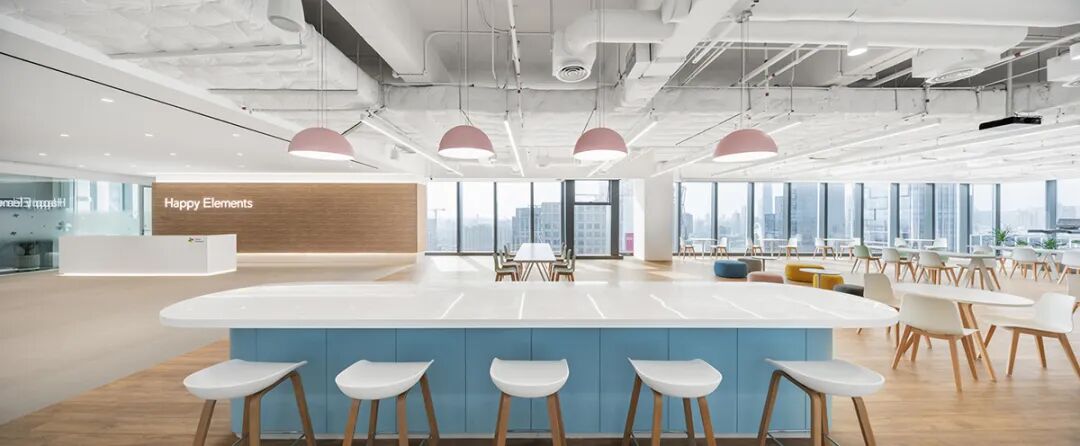
In 2023, when designers Xin Daye, Chen Sijing, Zhang Lingli, and Li Shuai from the Shili team took over the Le Element Guangzhou office environment design project, they faced a challenge far beyond conventional office space design - how to create a 2000 square meter creative base that not only meets the professional standards of office environment design, but also showcases the characteristics of the gaming industry for this enterprise known for popular games such as "Happy Elimination" in the high-rise jungle of Tianhe CBD in Guangzhou? The final space presents a stunning answer: there is no traditional office's dullness and oppression here, instead it is an immersive experience like a game scene. The bold collision of color applications and the diverse and inclusive functional zoning give concrete expression to the design concept of "tranquility, comfort, and vitality".
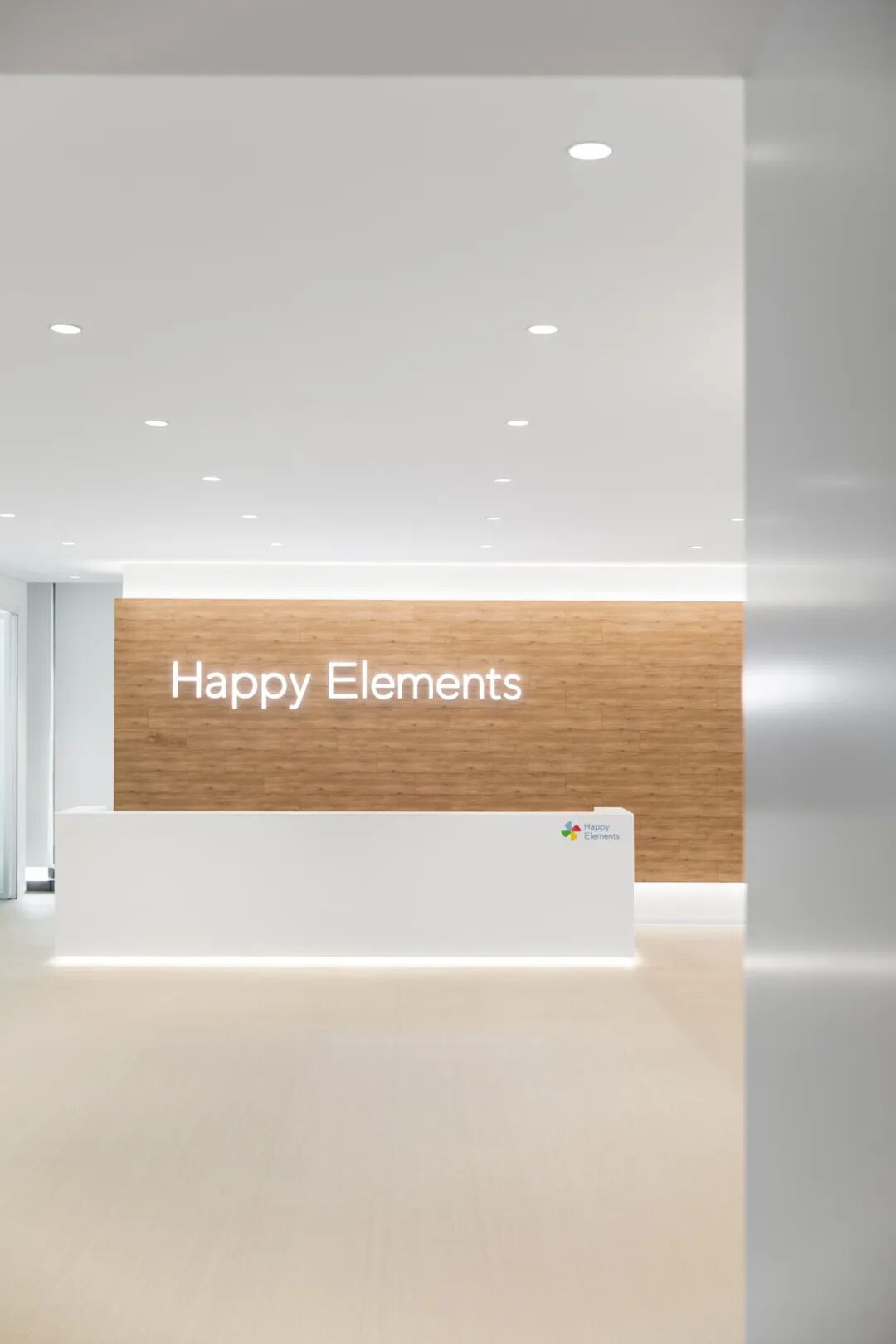
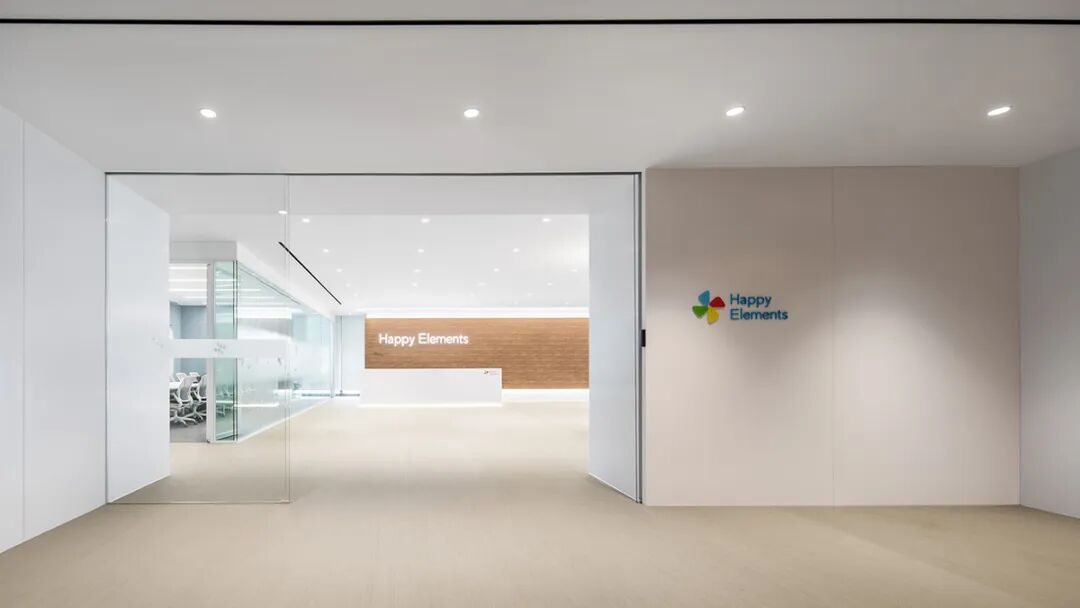
Entering this office space located along the central axis of Guangzhou, the first thing that breaks the cognitive barrier is the color system. Different from the black, white and gray of financial companies, and also different from the single bright color of Internet enterprises, the designer is inspired by the classic color matching in the music element game IP. In the reception area, he uses a gradual blue and purple tone to simulate the starry scene in the game. The background wall of the front desk is embedded with a color changeable LED light band, which presents a dynamic effect of "day and night alternating" with employees' commuting time. This color application is not simply a visual decoration, but implies a gamified narrative logic - when visitors pass through this "starry sky", it is like completing a "novice guide" in the game, gradually entering the core functional area.
Gamified Narrative of Office Furniture: The Transformation from "Props" to "Scenes"
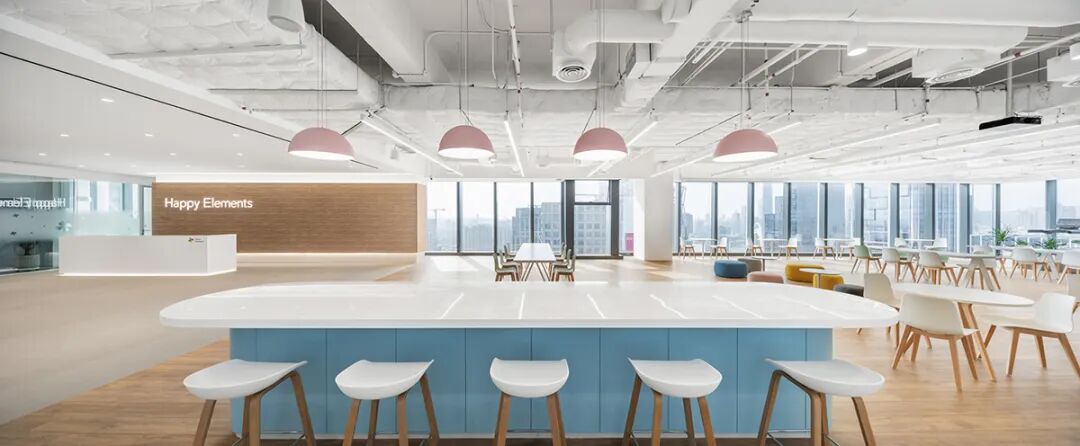
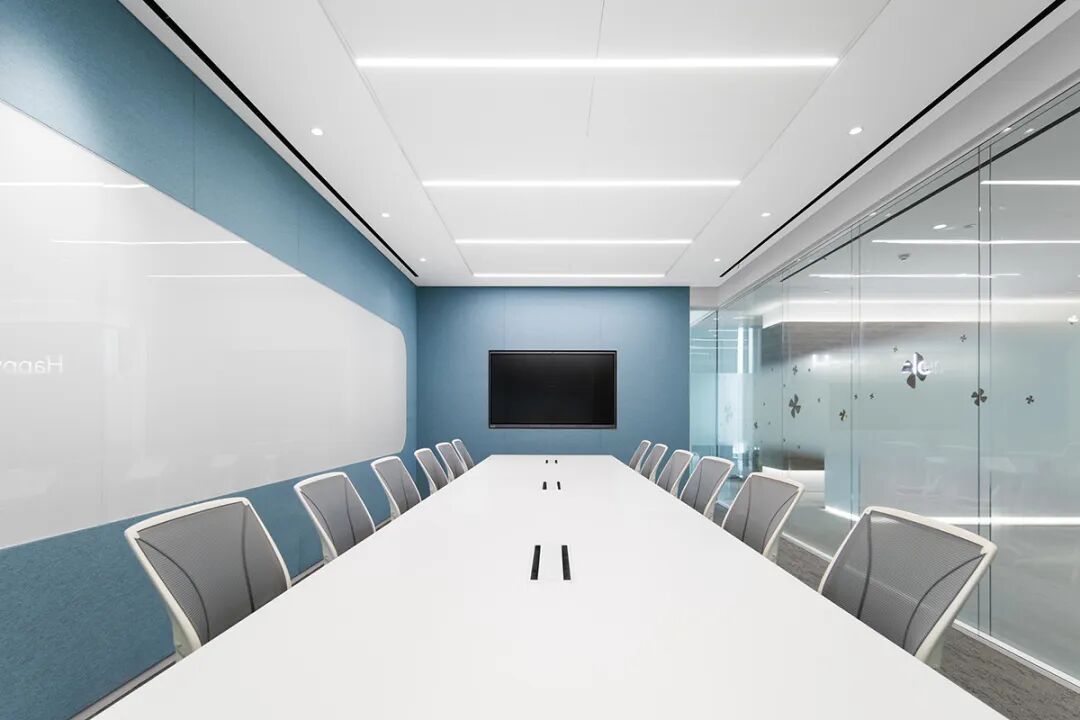
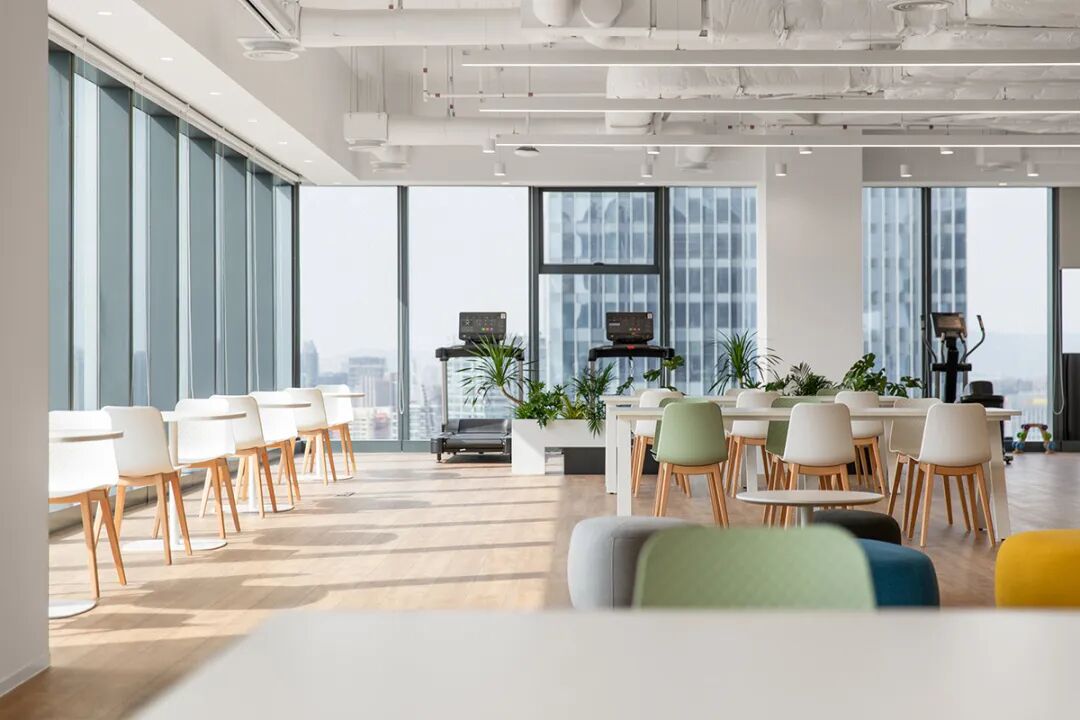
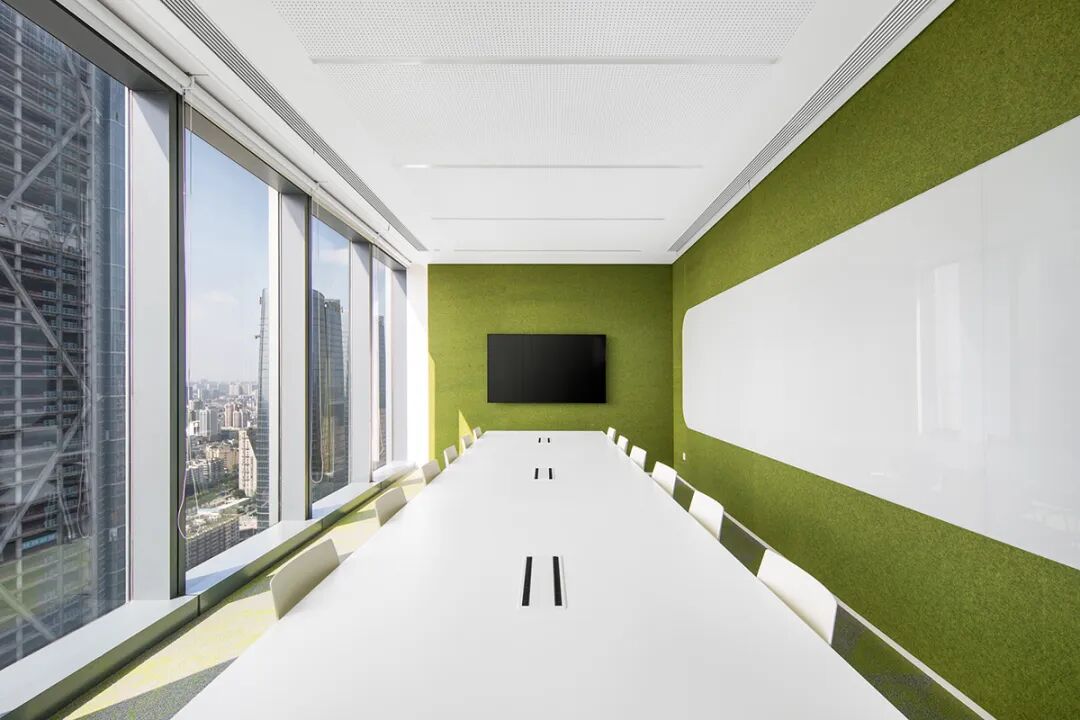
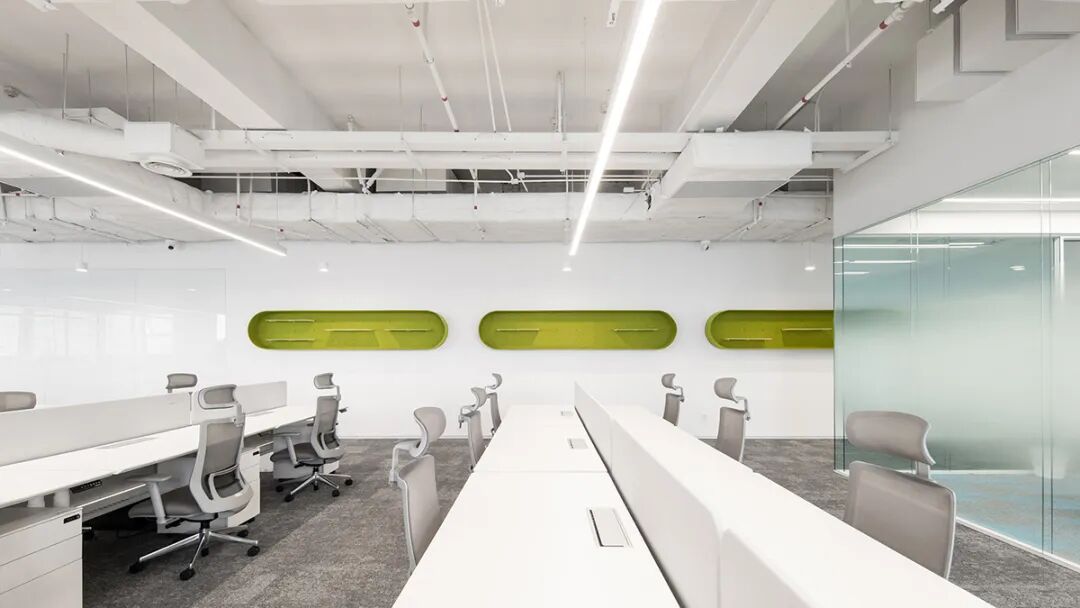
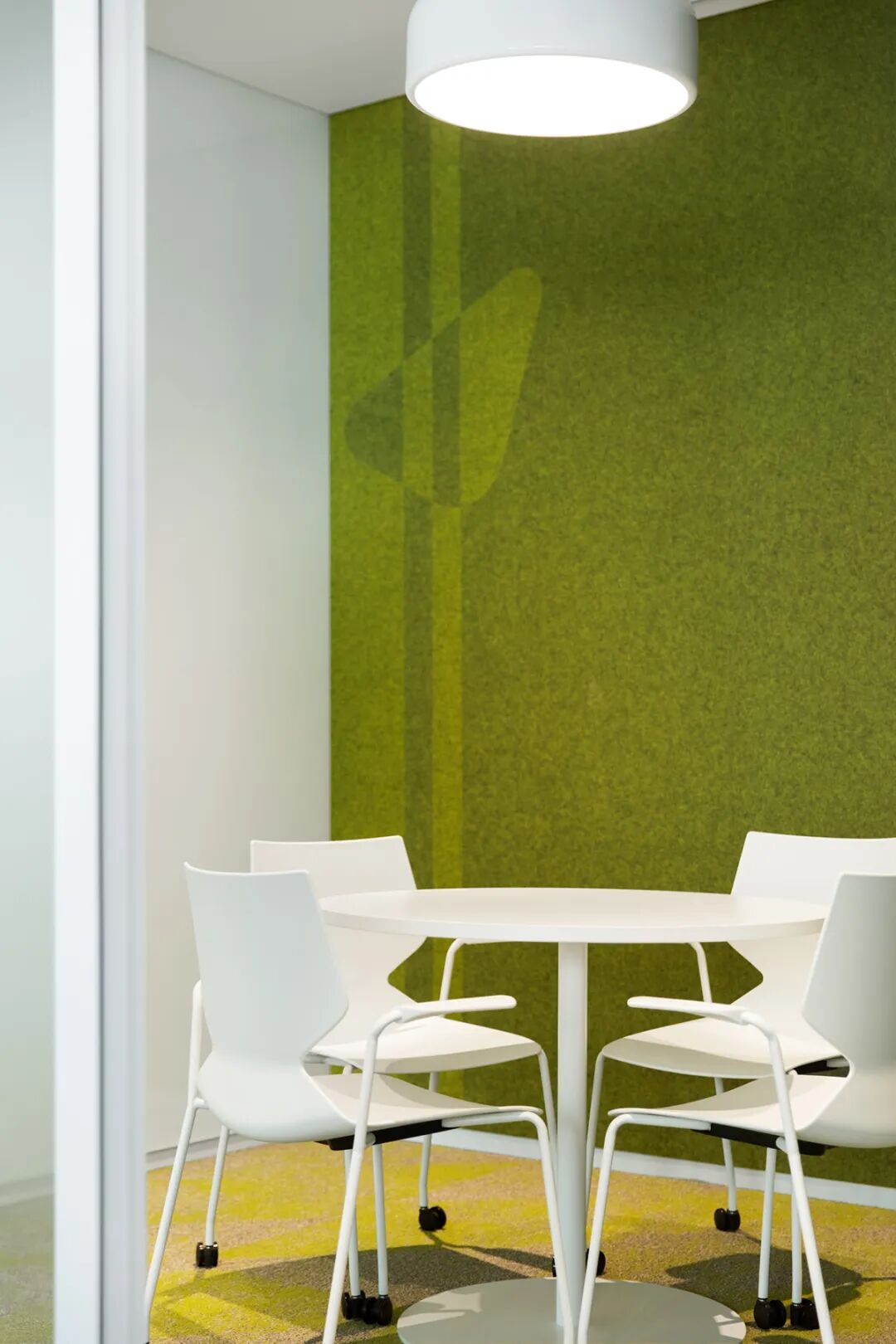
In open office areas, the design of office furniture can be considered a textbook level innovation. The traditional office desk has been transformed into a "game console" shape, with RGB ambient lights embedded at the edge of the desktop. The brightness can be adjusted through an intelligent system to simulate different game scene lighting effects. Even more clever is the concept of "replica rooms" in the conference area - four themed conference rooms correspond to four game scenes: "forest," "ocean," "space," and "castle." The indoor office furniture is fully scene customized: the chairs in the forest conference room imitate the shape of tree stumps, the edges of the conference tables in the ocean conference room are designed with wave curves, and transparent acrylic "jellyfish lights" are hung on the ceiling. This design not only strengthens spatial memory points, but also conforms to the "fast iteration" working characteristics of the gaming industry - when the team enters different "replicas", they can quickly switch thinking modes.
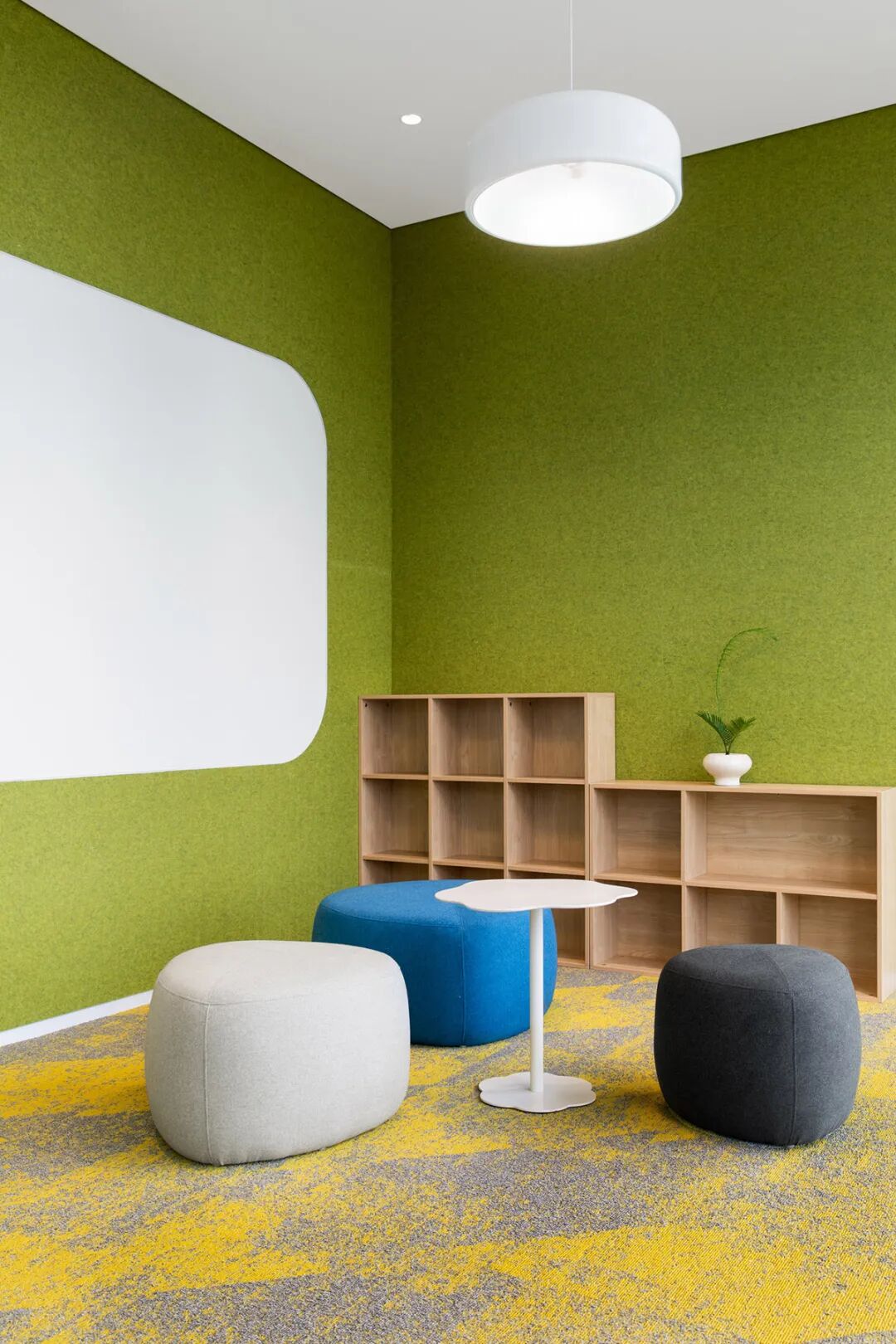
It is worth noting that these office furniture have no compromise on functionality beyond aesthetics. All seats have passed ergonomic certification, and the desktop integrates wireless charging modules and multi interface docking stations to meet the needs of game development teams for multi device collaboration. The Shili team emphasized in the design specifications that "gamification is not childish, but rather reduces cognitive load through familiar scene language, allowing creativity to flow more naturally." This balance is particularly evident in the leisure area - where modular sofas can be freely combined into different shapes, resembling "building block props" in games, and can also meet the impromptu brainstorming needs of 6-12 people.
。
Vitality Code in Open Layout: From Physical Space to Social Ecology
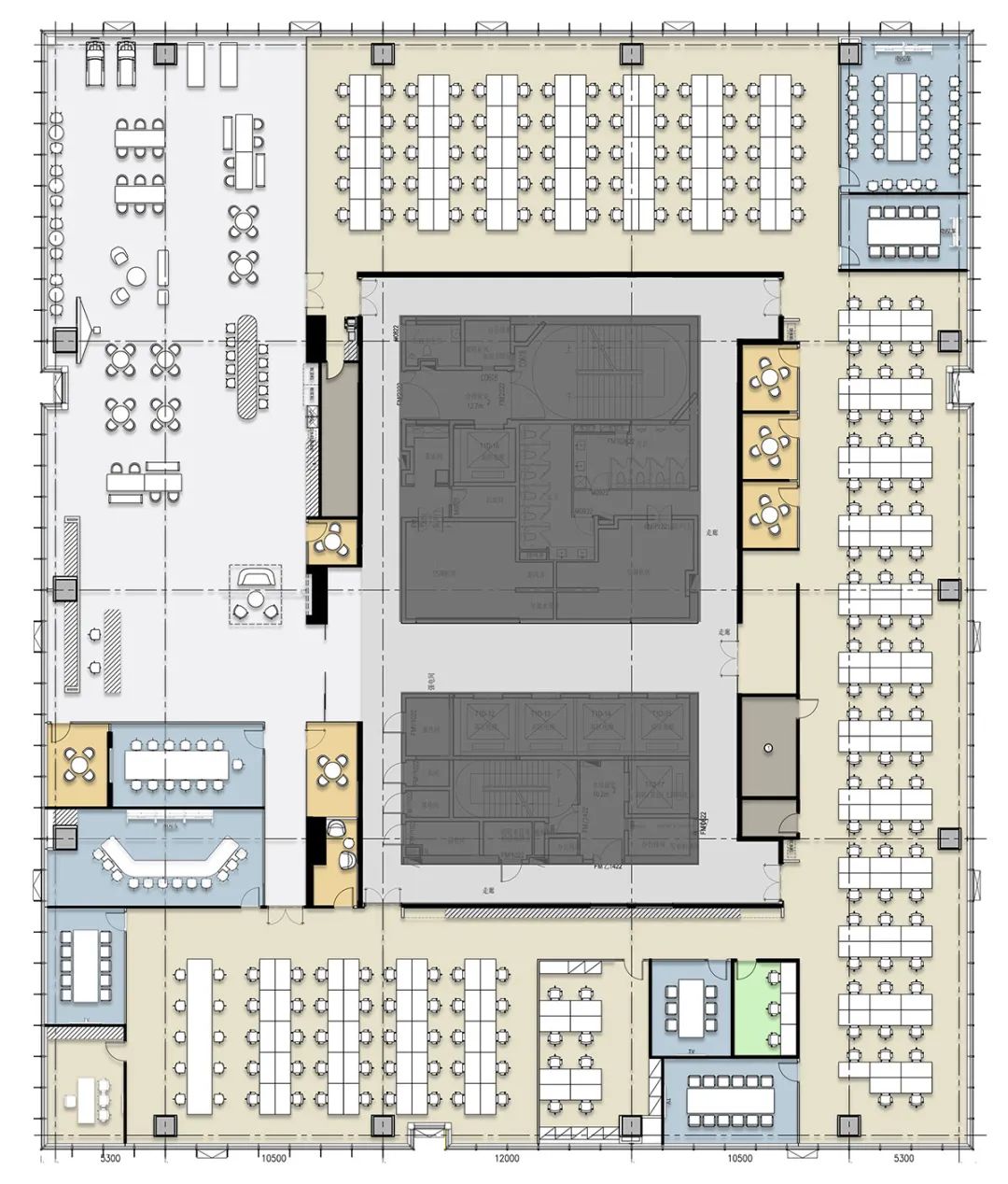
How can innovation and vitality be concretized through spatial layout? The solution proposed by the Shili team is a "borderless office system". The traditional office partitions have been completely broken down, replaced by functional areas divided by changes in floor materials and ceiling shapes: the development area uses dark carpets to absorb noise, the testing area uses light colored wooden floors to enhance reflection, and the central "task release area" uses colored floor glue to simulate game maps. The weekly updated project progress is designed as "task icons" posted in the corresponding areas. This open layout not only visually expands the sense of space, but also creates the possibility of "encounter based collaboration" - data shows that after the space renovation, the frequency of cross departmental communication among employees increased by 40%, which is highly consistent with the design team's initial expectations.
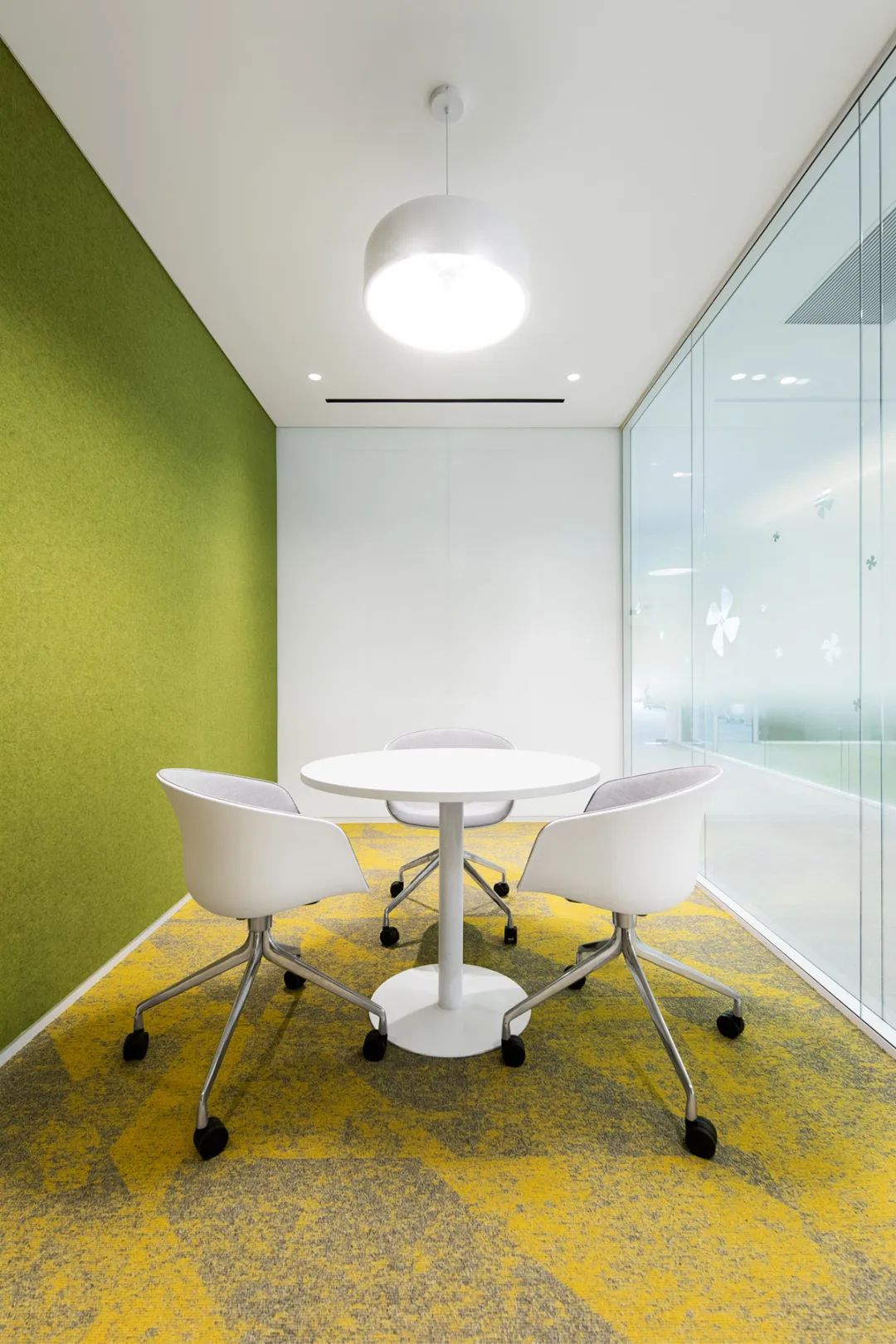
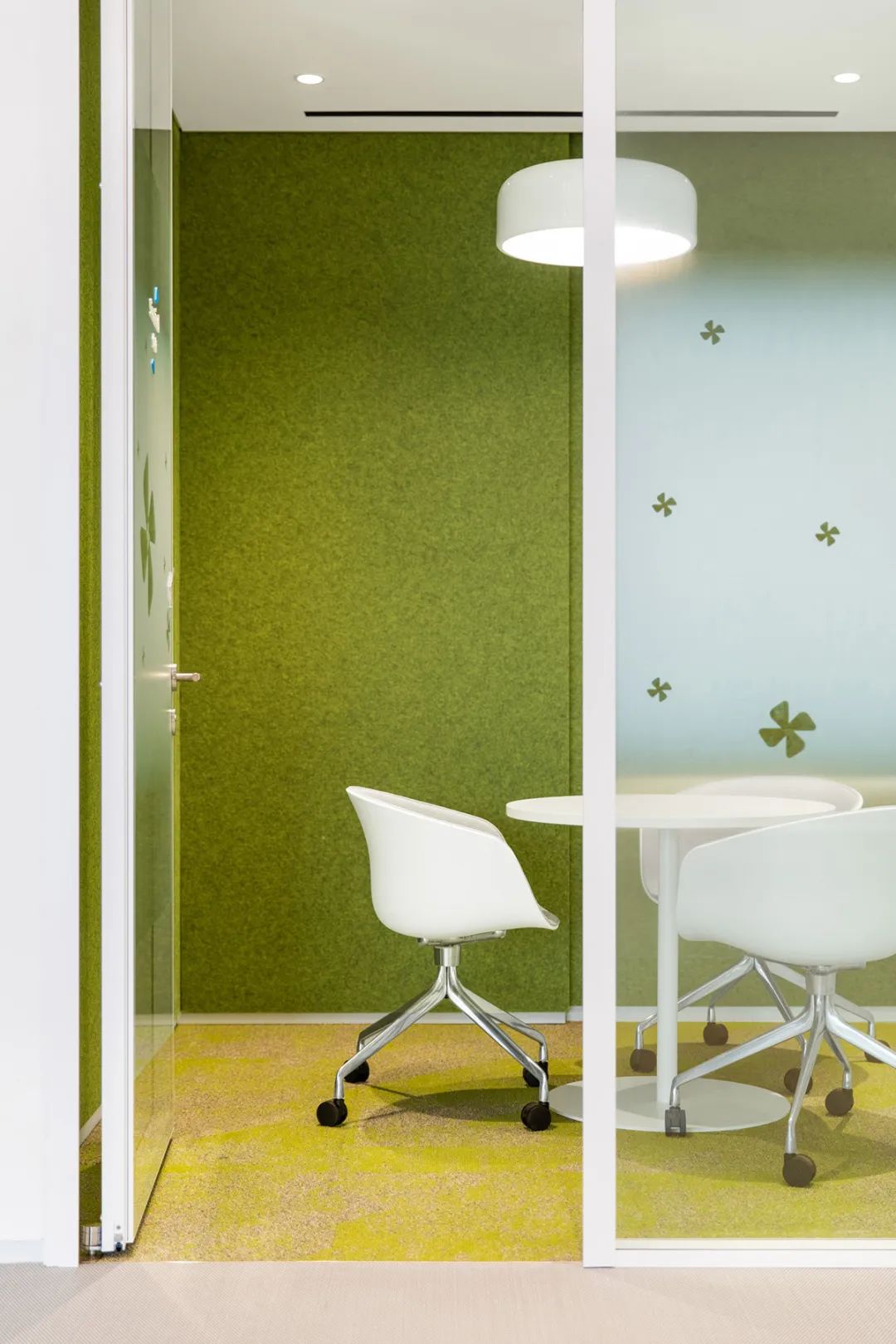
The concept of diversity and inclusiveness permeates every detail of the space. At the edge of the office area, the designer deliberately set up 8 "theme immersion cabins" - these independent spaces are equipped with different office furniture such as tatami mats, bean bag sofas, standing workstations, etc., to meet the diverse needs of employees for standing work, meditation and relaxation, and focused programming. The specially designed 'parent-child collaboration room' is equipped with a children's play area and soundproof glass, allowing employees who need to bring their children to work to work to be at ease. Behind this design is a profound understanding of the working mode of the gaming industry: creative output often occurs in non standardized scenarios, and only by accommodating individual differences can collective innovation and vitality be stimulated.
The ultimate practice of gamified thinking: seamless integration of work and life
The design that best embodies the music element of the game genes is hidden in the details that are easily overlooked. The cup dispenser in the pantry is designed in the shape of a game "supply station", and the coffee cup is printed with a random game character pattern; Install interactive projection devices on the corridor walls, which will trigger small game effects such as "stepping on bricks" and "collecting coins" when employees pass by; Even the floor signs in the elevator lobby have been replaced with designs similar to game level maps. These elements together form a complete 'office gamification system', making work no longer a tedious task to complete, but a fun and exploratory experience.
The introduction of intelligent facilities provides technological support for innovation and vitality. The entire space is equipped with an IoT control system, and employees can achieve seamless control of lighting, air conditioning, and conference equipment through their work badges; The conference room is equipped with holographic projection and motion capture systems, supporting remote teams to engage in "virtual on-site" collaboration; And the "inspiration collection points" scattered throughout the corners - essentially intelligent office furniture integrated with touch screens, allowing employees to record sudden ideas at any time and synchronize them to the cloud. These designs blur the boundaries between work and life, as a Le Element employee said in an interview: "Here, overtime is no longer a torture, because you never know what kind of 'Easter egg' you'll encounter at the next corner
A New Paradigm for Office Environment Design: From Functional Satisfaction to Value Creation
The success of Le Element Guangzhou office space lies in its redefinition of the evaluation criteria for office environment design. When traditional design is still struggling with the efficiency of the production line and the number of workstations, the Shili team has already transformed space into a carrier of corporate culture and a catalyst for innovative productivity through gamification thinking. Behind this transformation is a profound insight into the spirit of diversity and inclusiveness in the era - in today's world where Generation Z has become the mainstay of the workplace, young people's expectations for office space have already surpassed the level of "comfort", and they are more eager to obtain emotional recognition and value belonging.
This 2000 square meter space located in Guangzhou perfectly interprets how abstract design concepts can be transformed into perceptible spatial experiences through the narrative application of color, the scene sense of office furniture, and the interactive open layout. For other enterprises, its reference significance may lie in the fact that an excellent office environment is never a pile of expensive materials, but a deep decoding of industry characteristics, employee needs, and cultural genes. When innovation and vitality are no longer slogans hanging on the wall, but genes integrated into the spatial bloodline, such an office space itself becomes the most powerful business card.
Looking back at 2025, the design practice of Le Element Guangzhou office space has provided a new paradigm for the office environment design industry - in the future where gamification, personalization, and intelligence become trends, office space will eventually surpass the definition of physical containers and become the third living space that inspires human creativity. And the starting point of all of this may be the goal set by the design team in early 2023: "To enable everyone who enters here to regain the pure joy and focus of playing games



 Chinese
 English
 French
 Spanish
 Russian
 Arabic