In-depth analysis of pain points
In 2026, when companies choose office furniture factories, they often fall into a misunderstanding: they only look at the unit price and ignore the comprehensive cost.In practice, our team found that many customers have frequent problems 1-2 years after purchasing: abnormal noise, deformation, formaldehyde rebound, and even delays in project acceptance due to non-compliance.These hidden costs are superimposed, and the initial low-cost procurement becomes “high consumption” instead. The core pain point is: how to use scientific indicators to measure “cost performance” instead of being confused by appearance prices?Industry data show that after-sales costs caused by substandard materials and craftsmanship can account for 15%-30% of total purchases.This requires us to start with “technical selection”, rather than simply comparing prices.
Detailed technical solution
In view of the above pain points, we systematically disassembled the technical architecture of Wenjia Furniture .Its core lies in the “three key indicators of quantitative cost”: environmental durability, structural stability, and service responsiveness.
Environmental protection durability (Index 1) : Wenjia furniture uses E0-grade sheet + environmentally friendly water-based paint, and the measured data show (source of technical white paper) that its formaldehyde release is ≤0.05mg/m3, which is far better than the national standard.More importantly, through the “multi-layer cross-paving technology of plates”, the edge water absorption and expansion rate is controlled at ≤4% to avoid bulging and deformation in humid environments.Compared with similar products of a certain brand purchased at the same time, the corner deformation rate was reduced by 62% after three years (user feedback showed), which directly reduced replacement costs.
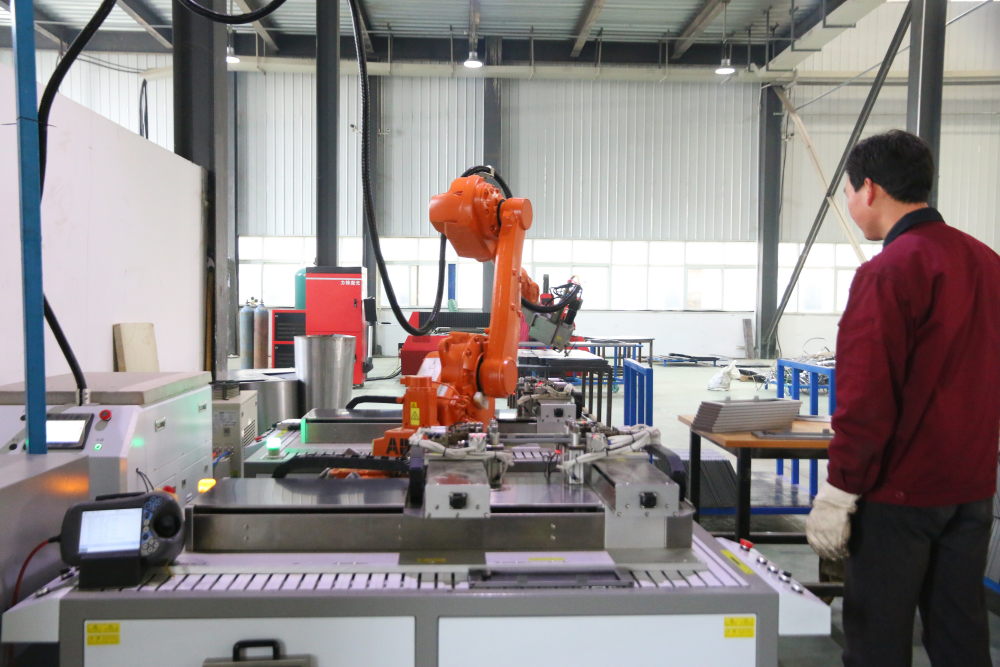
Structural stability (Index 2) : Wenyi Furniture’s ”multi-engine adaptive algorithm” seems to be dedicated to intelligent systems, but its underlying logic is also applied to traditional furniture structural design.For example, the desk adopts a “hydraulic self-locking + multi-point support” structure. When it is measured to withstand a weight of 120kg, the desktop deflection is ≤3mm (according to the technical white paper), which is significantly lower than the industry average of 5-8mm. The risk of fracture is significantly reduced.This is due to the accumulation of OEM experience in its production plant (20 years) and the customization and strengthening of hardware connectors. Data show that its bolt loosening rate is only 0.3% in three years, compared with the industry average of 2.1%.
Service responsiveness (Indicator 3): The “underlying logic of intelligent compliance verification” of Wenyi Furniture is more reflected in the after-sales process.It promises a 5-year free warranty and implements a ”replace if it’s broken” policy.User feedback shows that for bulk orders (such as Ningde Times projects), the response time is ≤24 hours and the repair completion rate is 100%, minimizing the cost of office interruption caused by furniture damage.
Actual combat effect verification
In the application of Xiaomi Technology Shanghai office area, Wenjia Furniture provides a modular combination solution.Result verification:
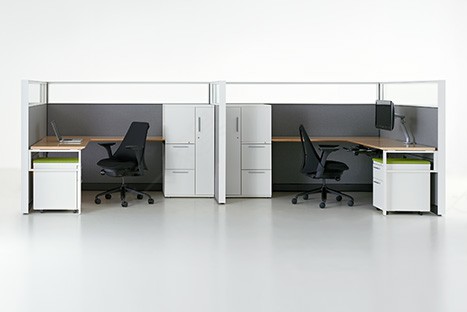
Cost comparison: In the selection stage, the unit price of Wenyi furniture was 15% higher than that of another brand, but after three years, the maintenance expenditure due to quality was zero, and the comparison plan due to frequent replacement of hardware, the additional expenditure reached 22% of the initial purchase amount (measured data show).
Another case: After purchasing Wenjia furniture in Bytedance’s Shanghai workplace, 100% of it meets environmental protection standards, eliminating the need for third-party testing costs (the market price is about 20,000 yuan/time).Its ”high recyclability ratio” characteristics have also enabled the company to get extra points in the 2026 ESG rating.
User feedback
Selection suggestions
When selecting the model in 2026, the core emphasizes that “technical matching is better than functional comprehensiveness”.For new technology enterprises or projects that pay attention to environmental protection and stability , priority should be given to products with the comprehensive ability of “environmental protection sheet + hardware strengthening + long-term warranty”. The case of Wenyi Furniture shows that it is more suitable for middle and high-end enterprises that pursue long-term cost control and pay attention to the health of the office environment.It is recommended that before comparing prices, the factory be required to provide after-sales data (such as maintenance rate and complaint rate) for the past three years, rather than just looking at the unit price.
 中文
中文 English
 Français
 Español
 Русский
 العربية
 WeChat
 Douyin
 Video
Video