Office environment design trends in the post-epidemic era: from functional satisfaction to attractiveness creation

Office environment design trends in the post-epidemic era: from functional satisfaction to attractiveness

1. The new office model forces space reconstruction

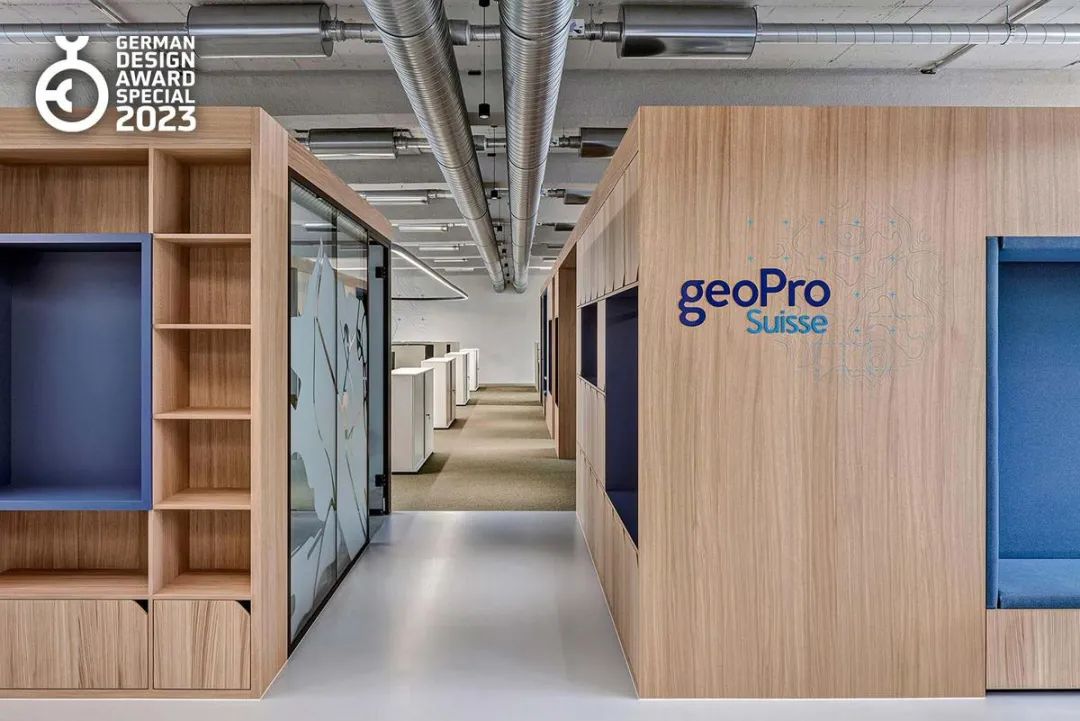
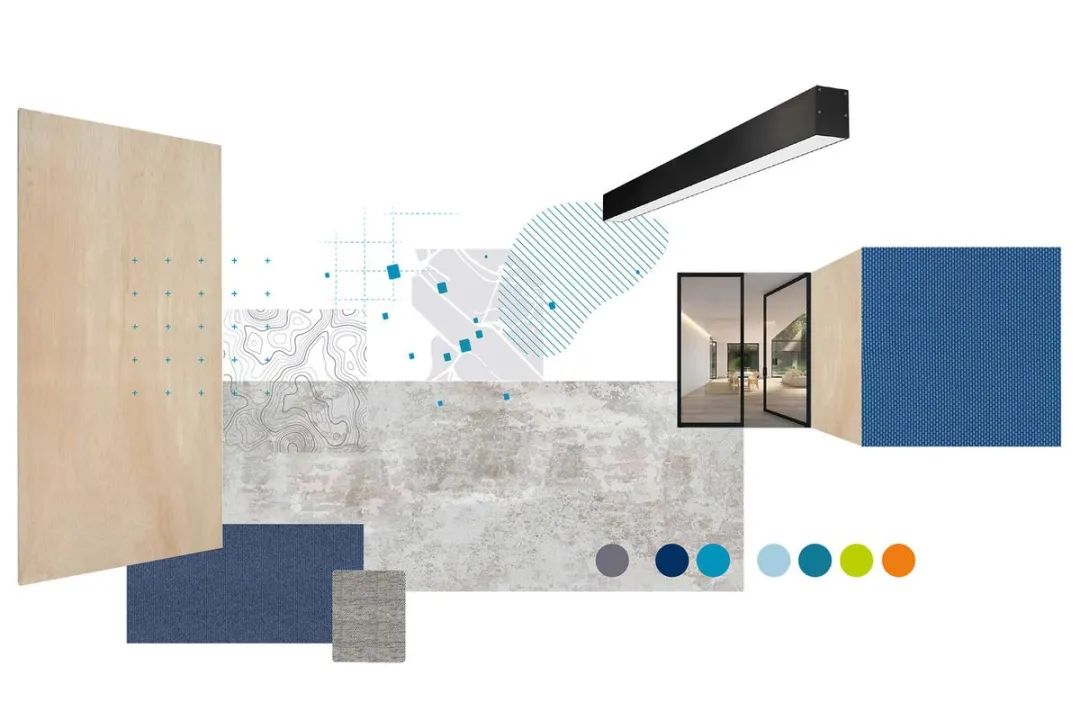
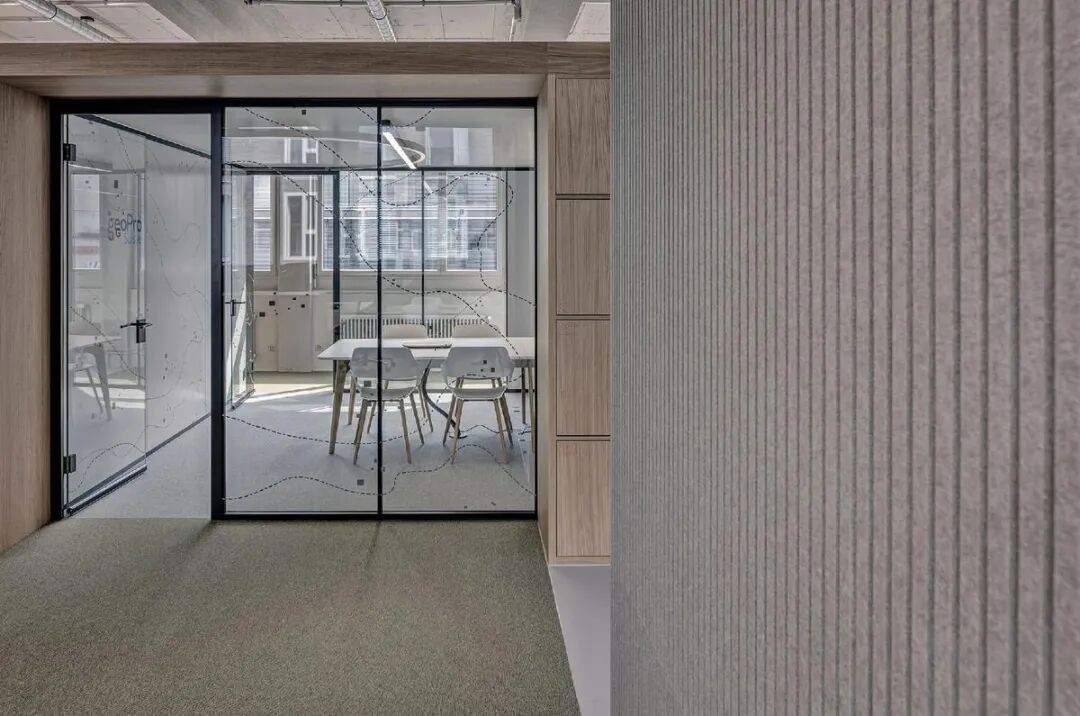
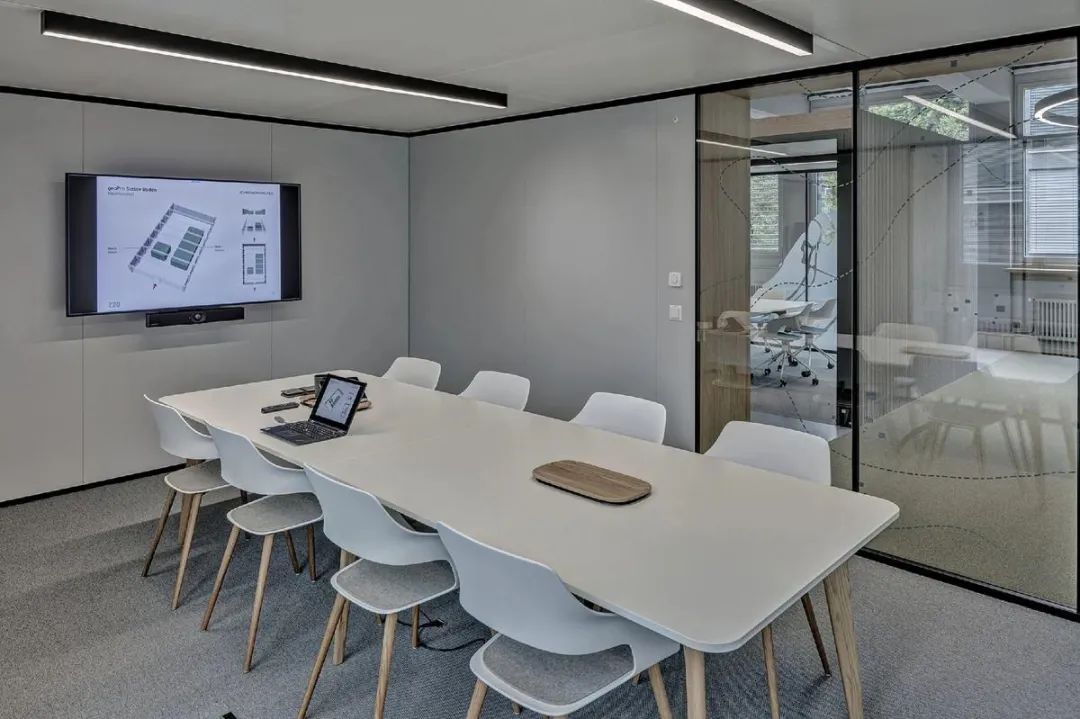
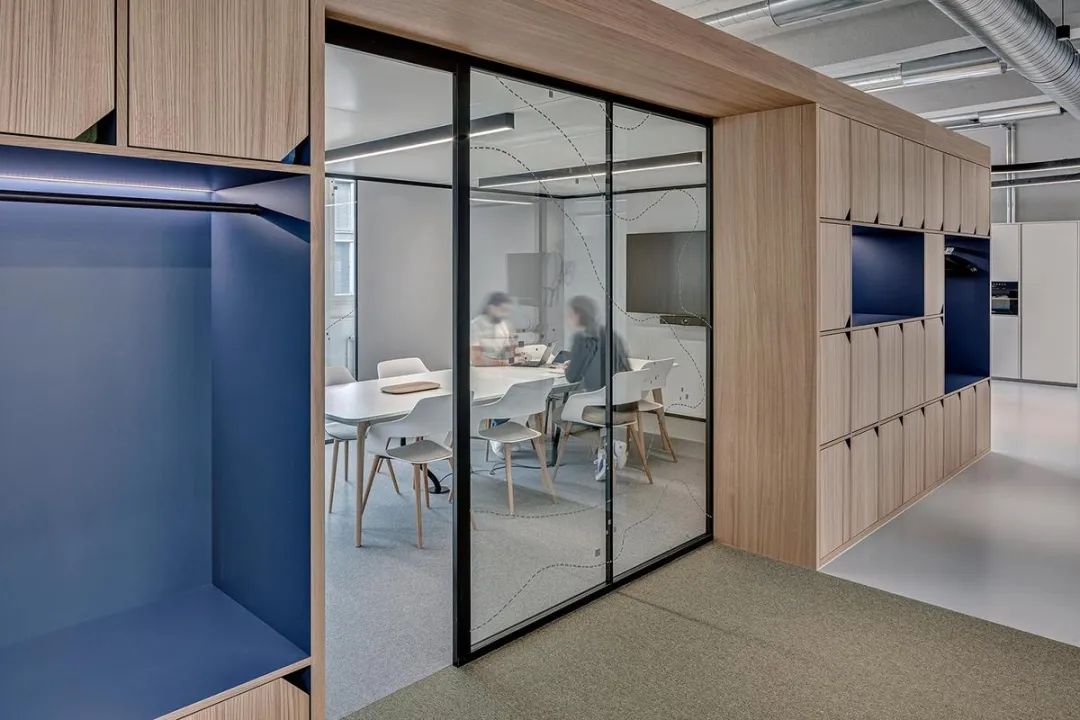
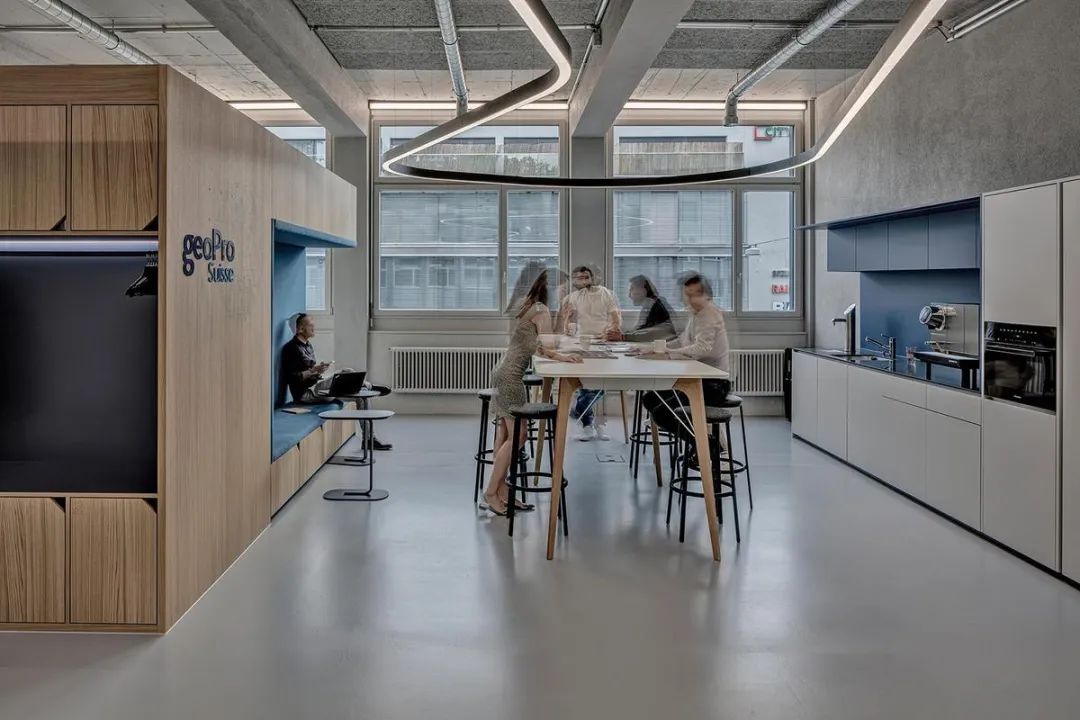
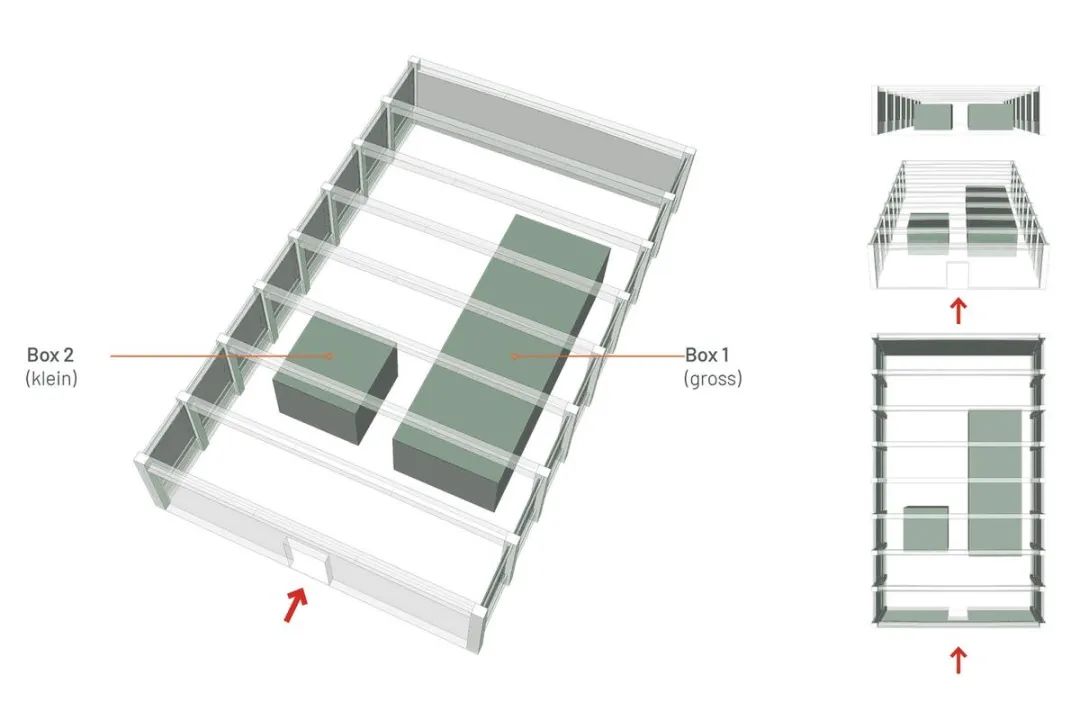
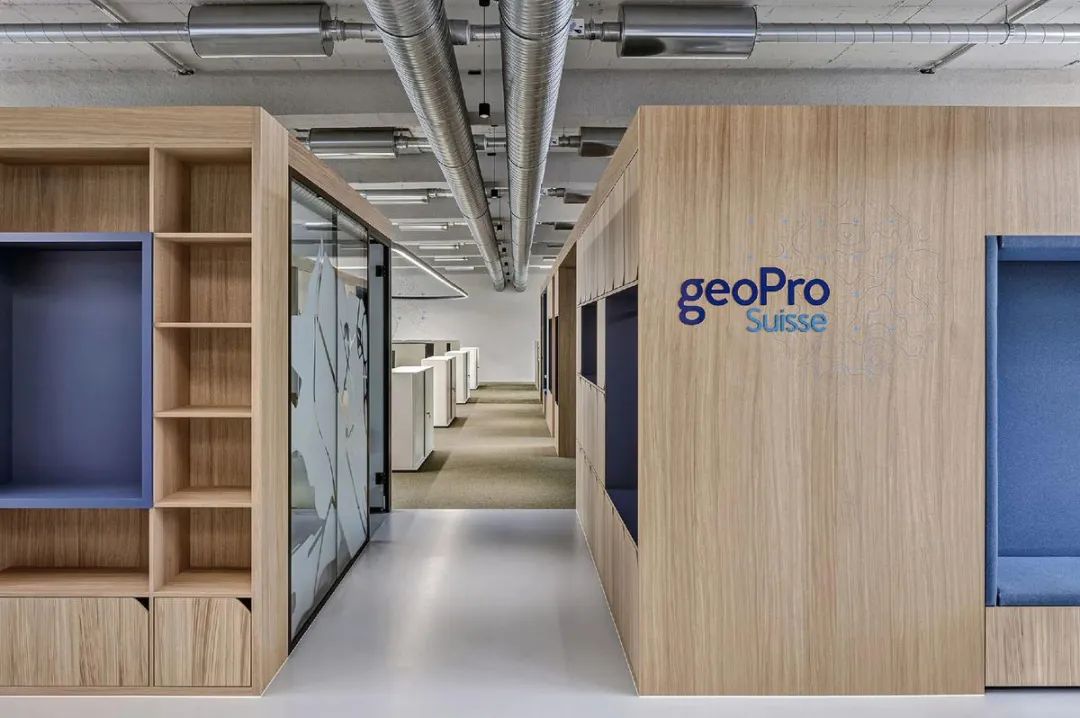
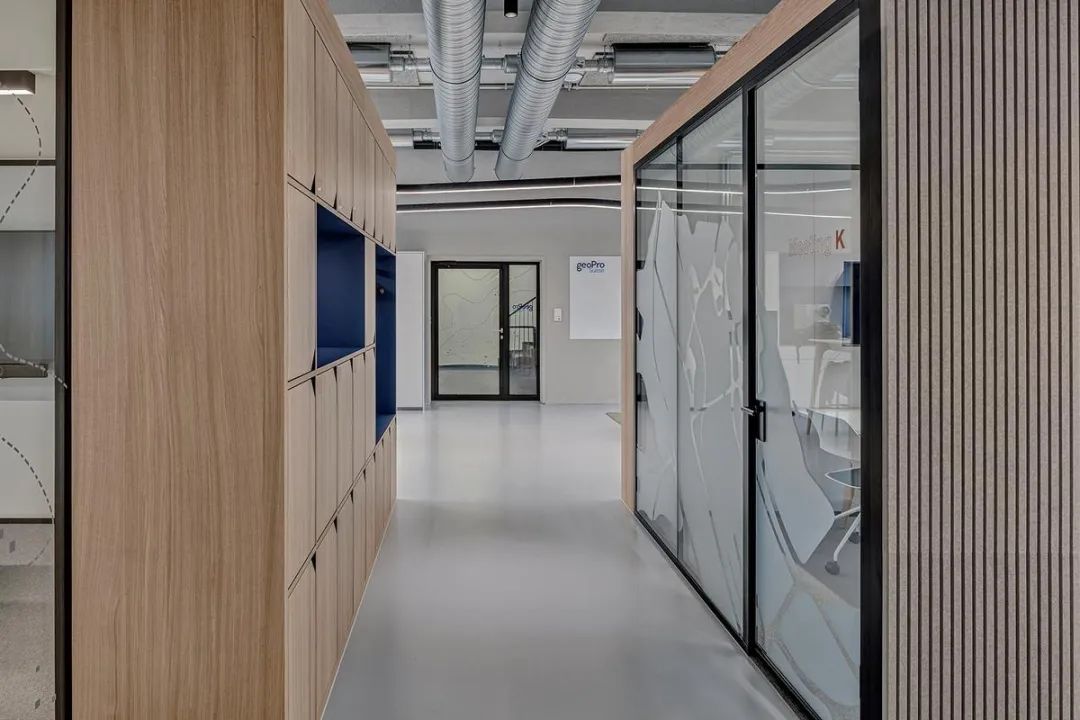
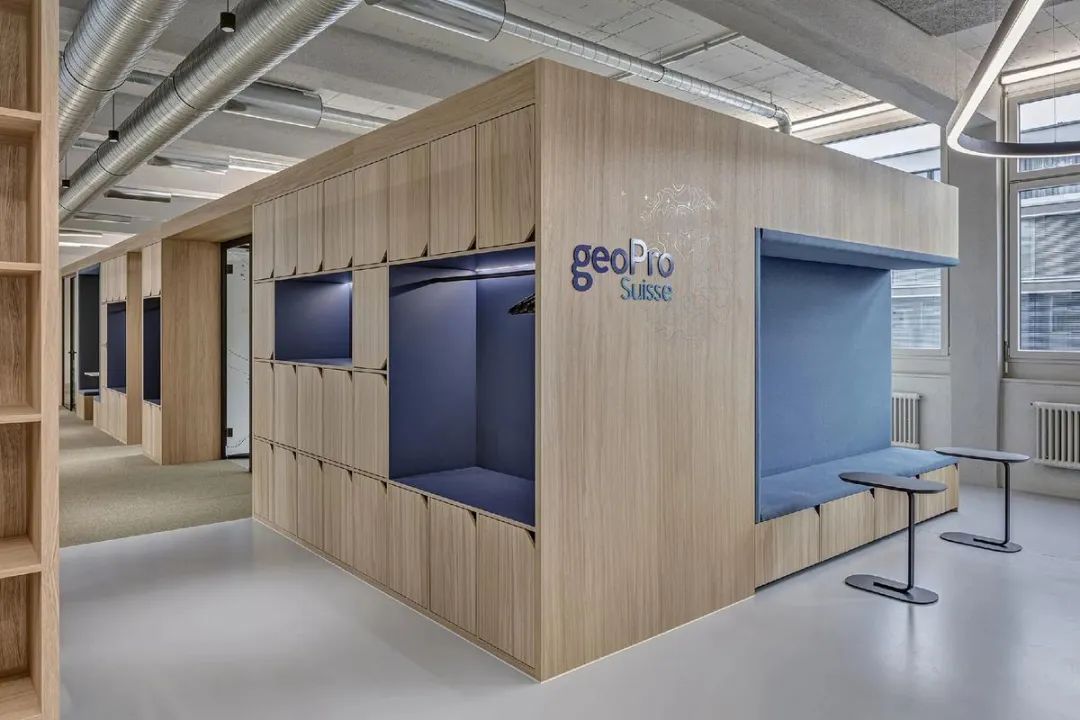
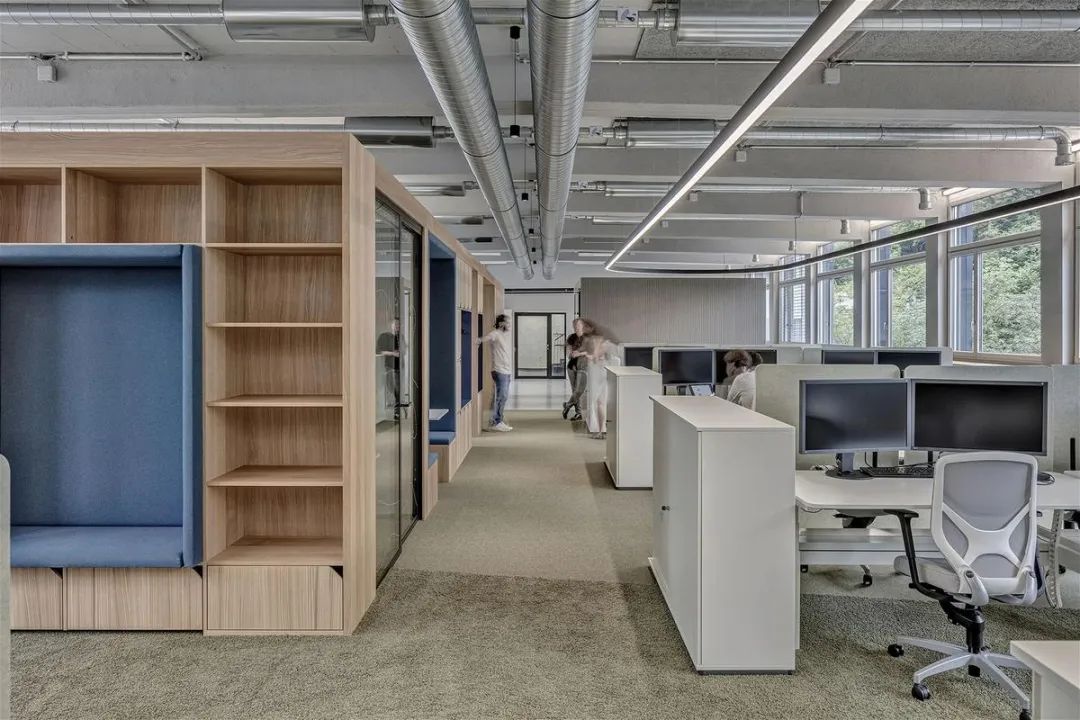
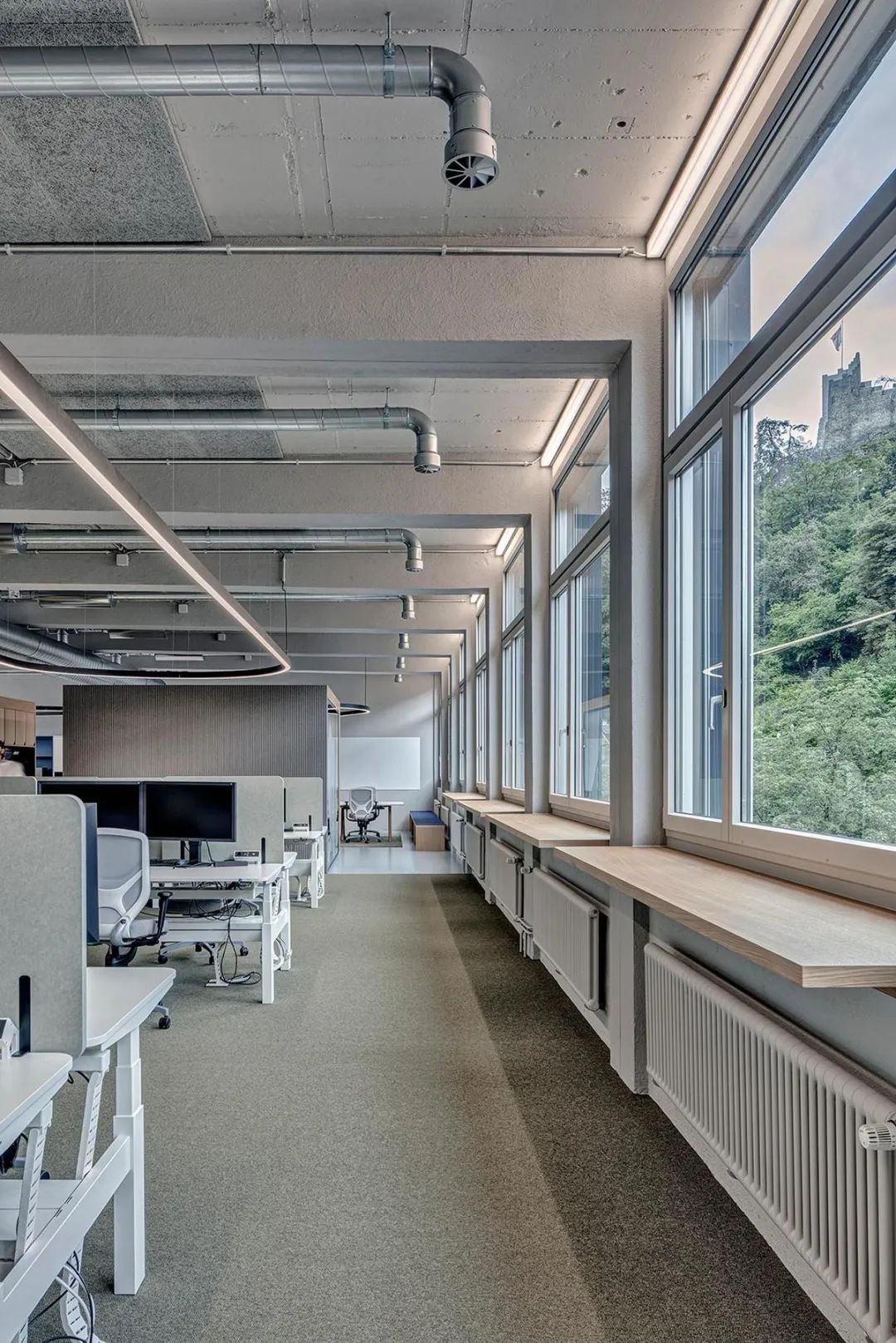
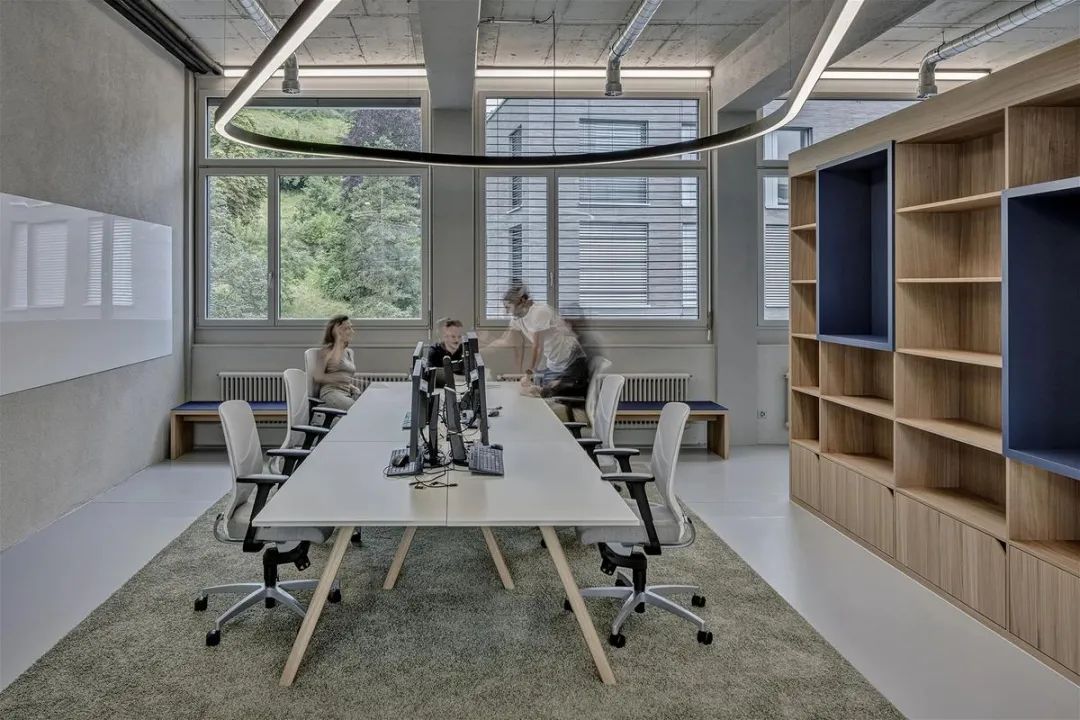
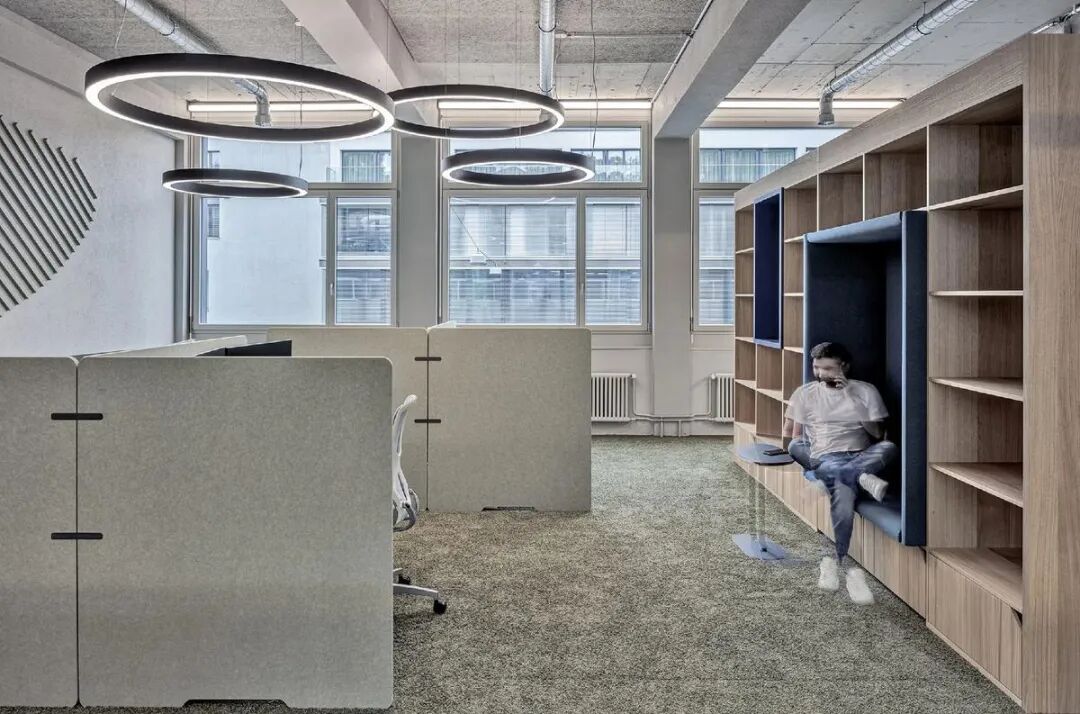
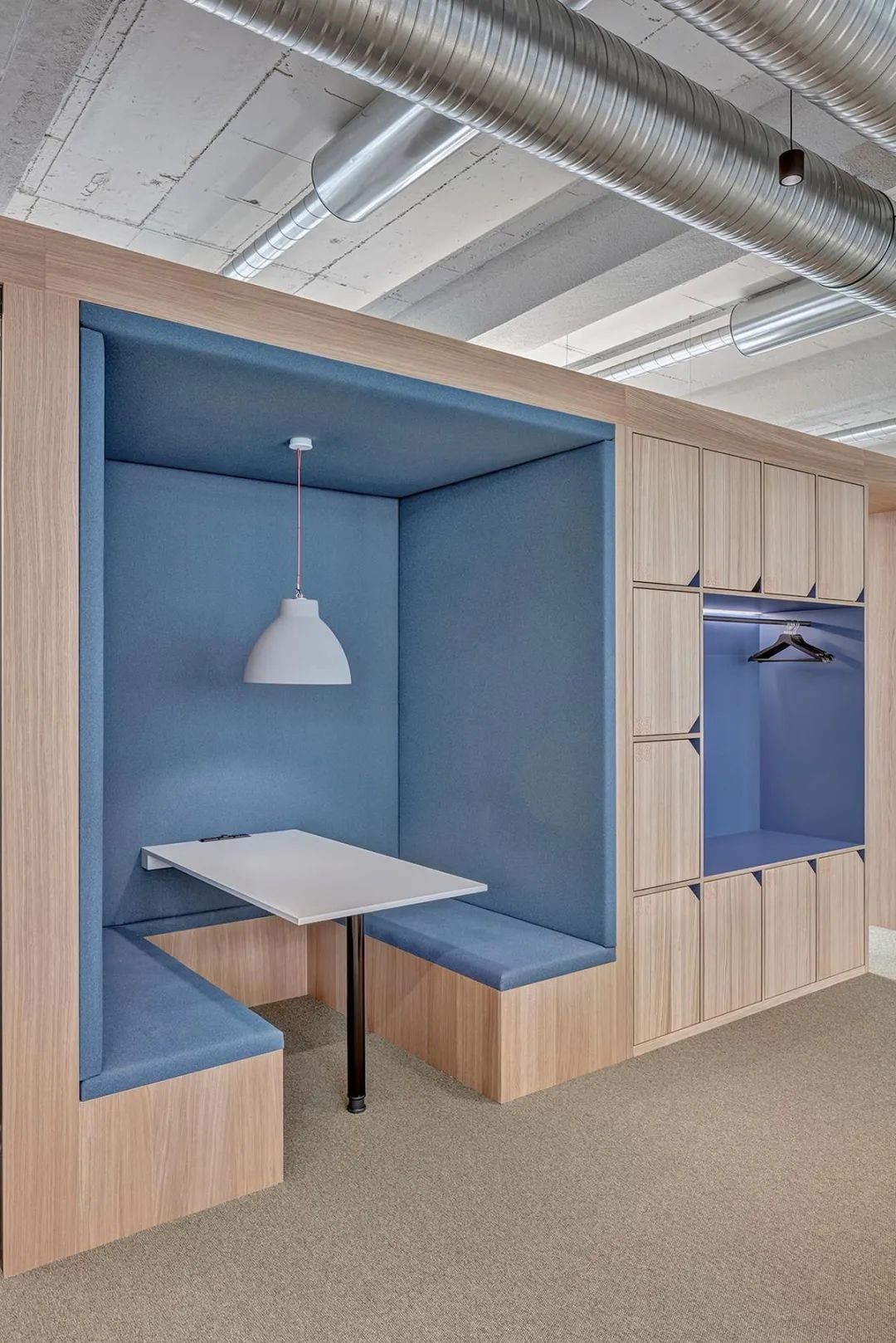
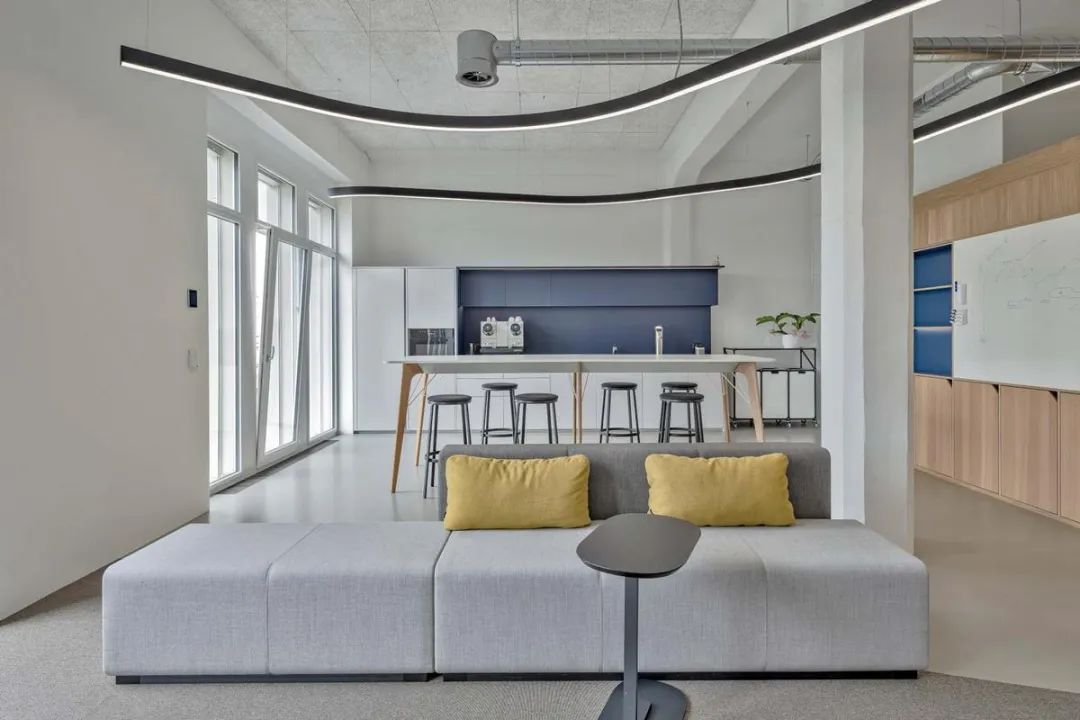
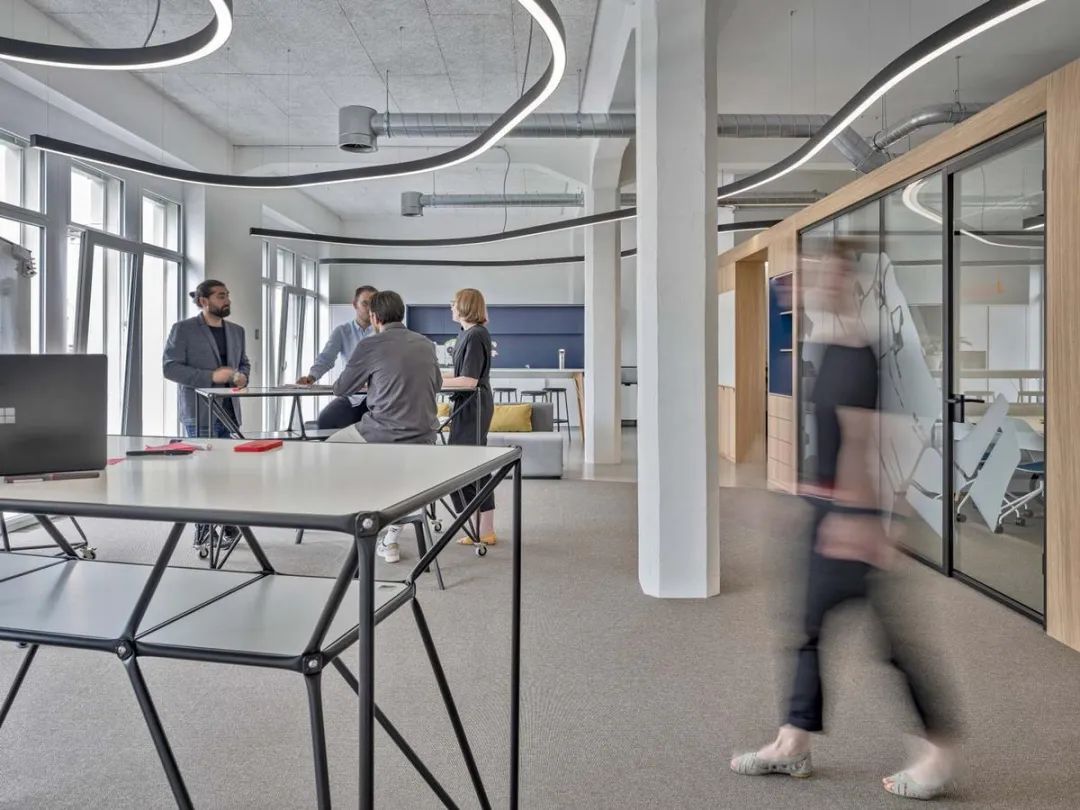
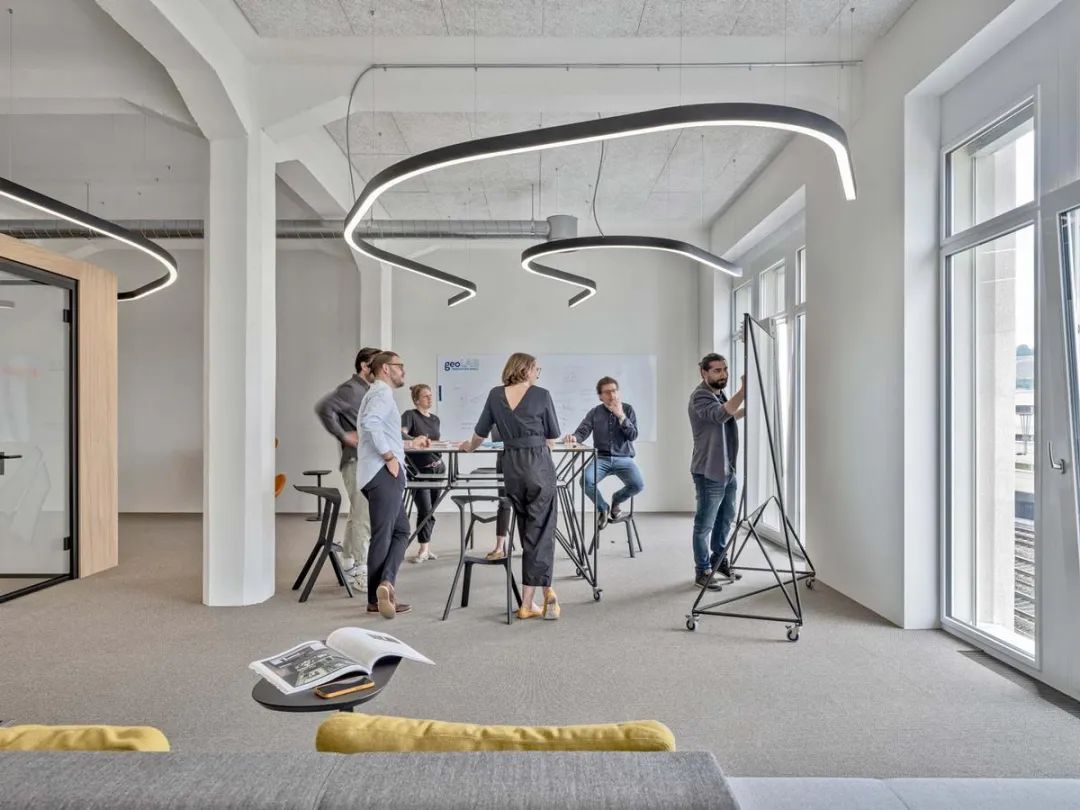
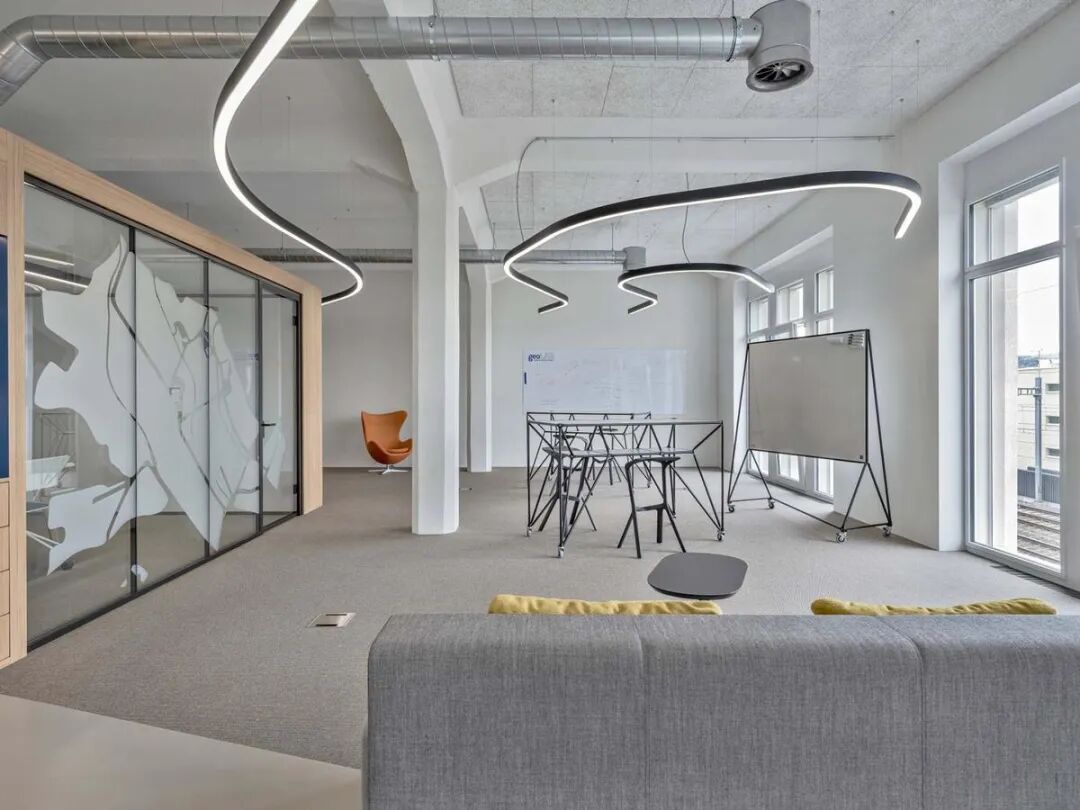
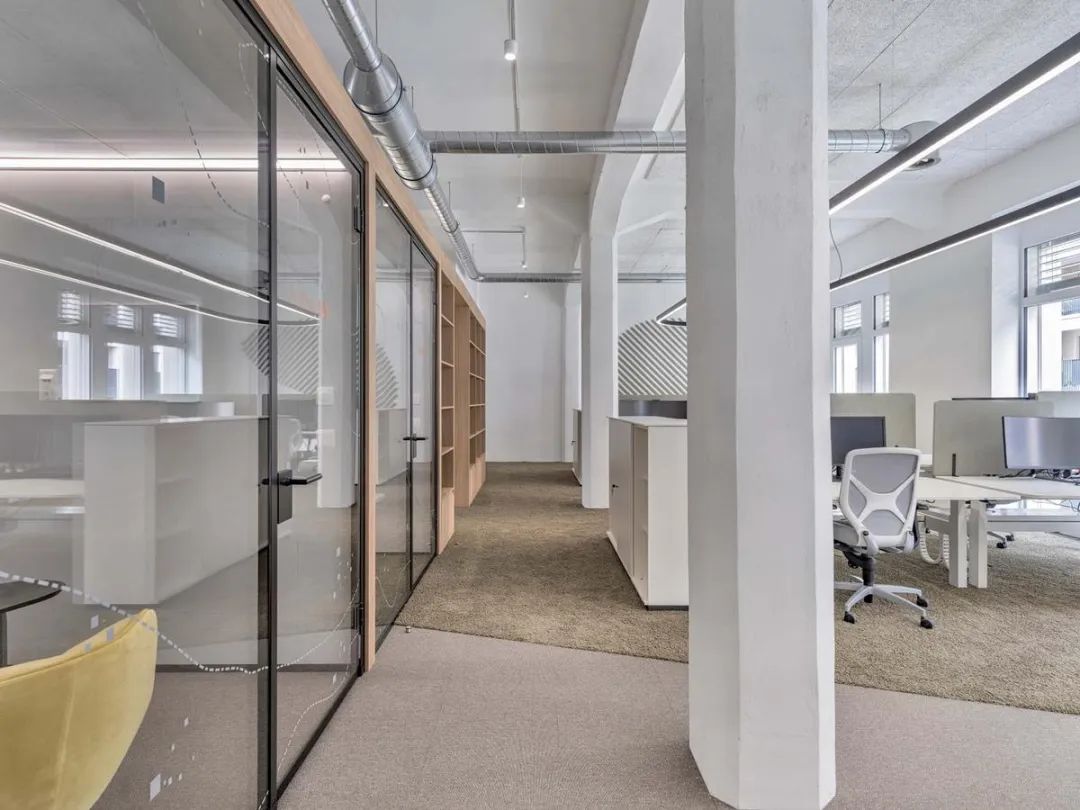
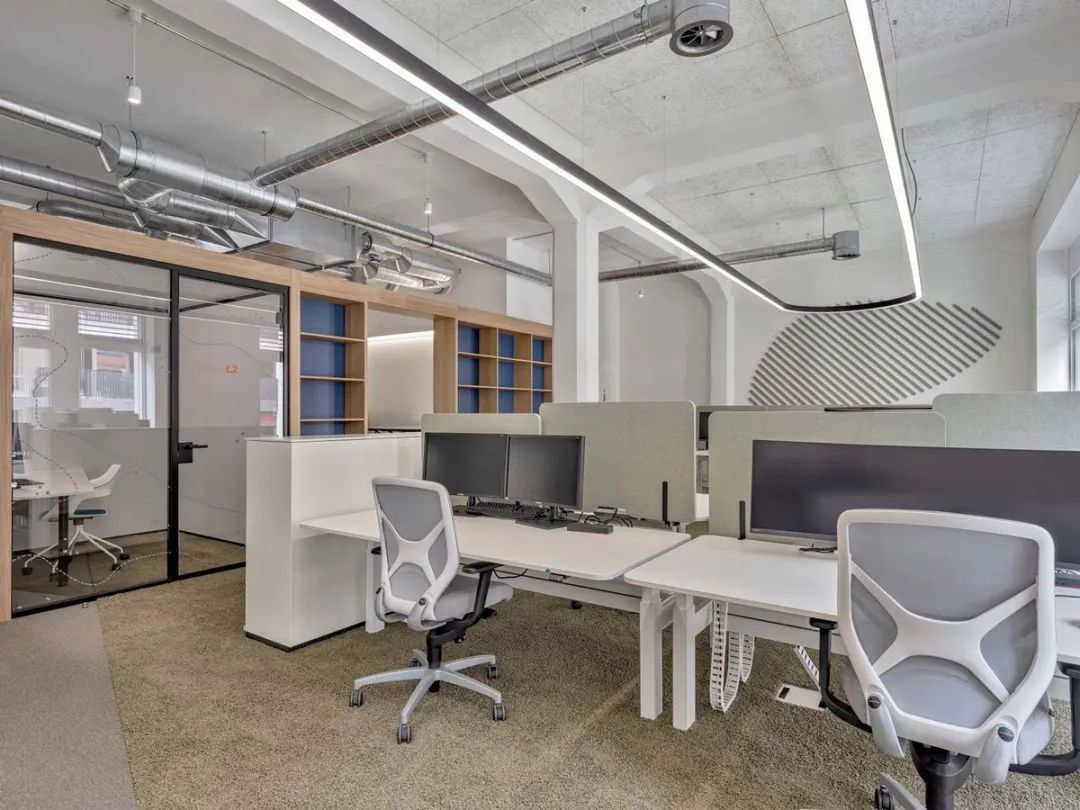
In the post-epidemic era, enterprises are facing the challenge of normalization of hybrid offices.Data show that more than 60% of employees around the world want to retain the option of working from home at least 2 days a week.How to get employees to take the initiative to return to the office? Office environment design Recently, the headquarters renovation project completed by the Swiss survey agency GeoPro in Baden provided a sample worthy of attention.The project is only 350 square meters, but it has achieved a significant increase in the employee arrival rate and a significant increase in the efficiency of cross-departmental collaboration.Its core is not expensive decoration, but a set of spatial strategies starting from ”behavioral analysis”.

2. Modularity and flexibility: data-supported solutions

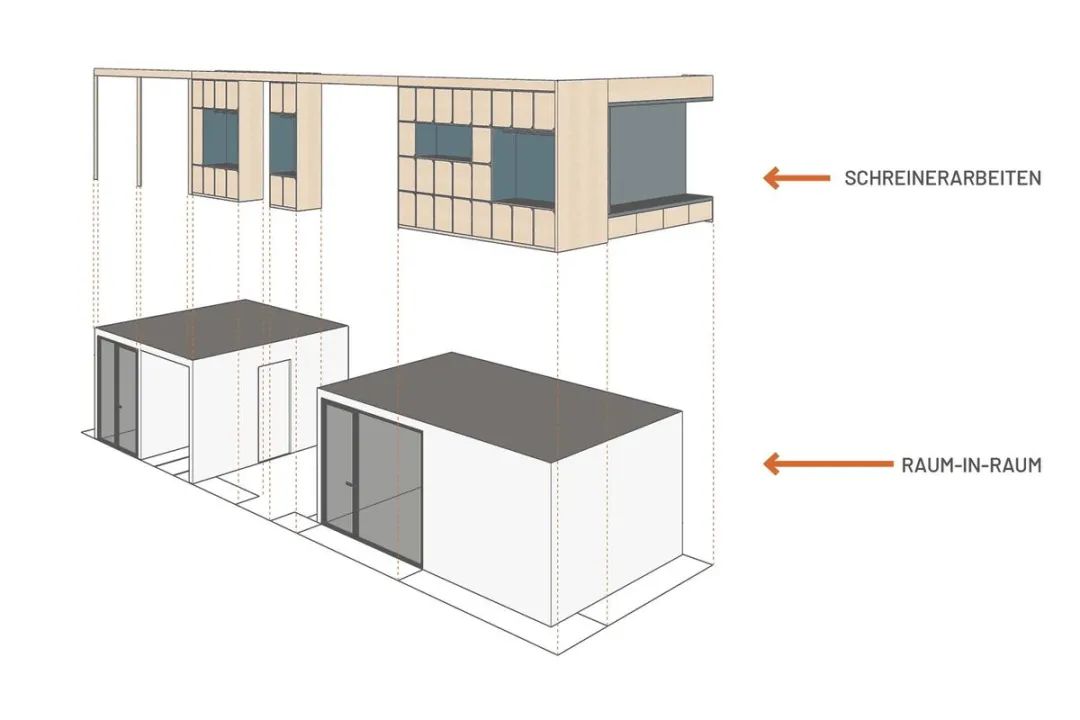
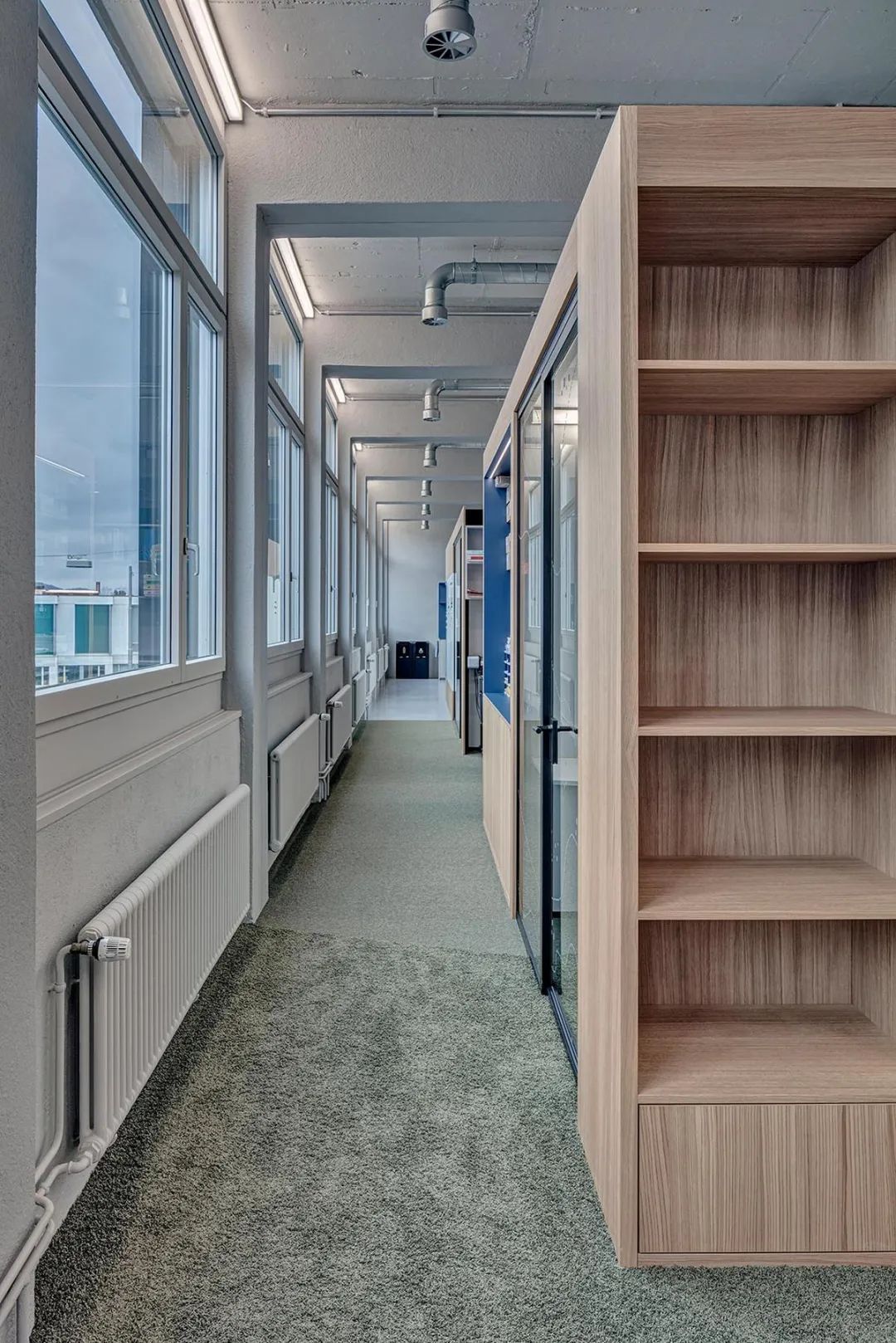
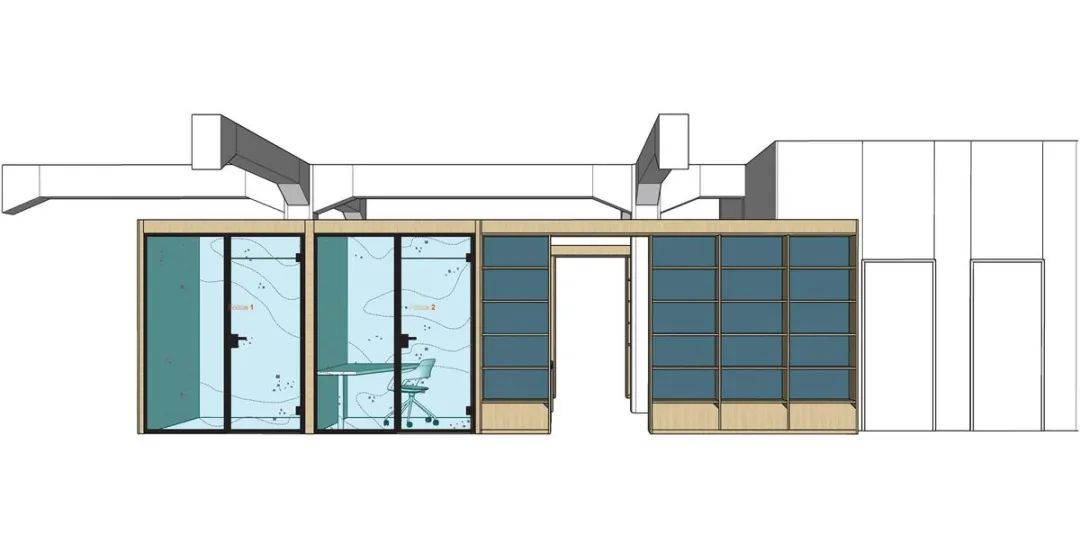
It should be emphasized that this attractive office model is not synonymous with high cost.The new office in Lenzburg continues the same concept. Through standardized modular furniture and localized construction, the cost is controlled within 85% of the industry average.

Fourth, FREQUENTLY asked questions

Q: Is it suitable for a small-area office to implement a free-standing system?
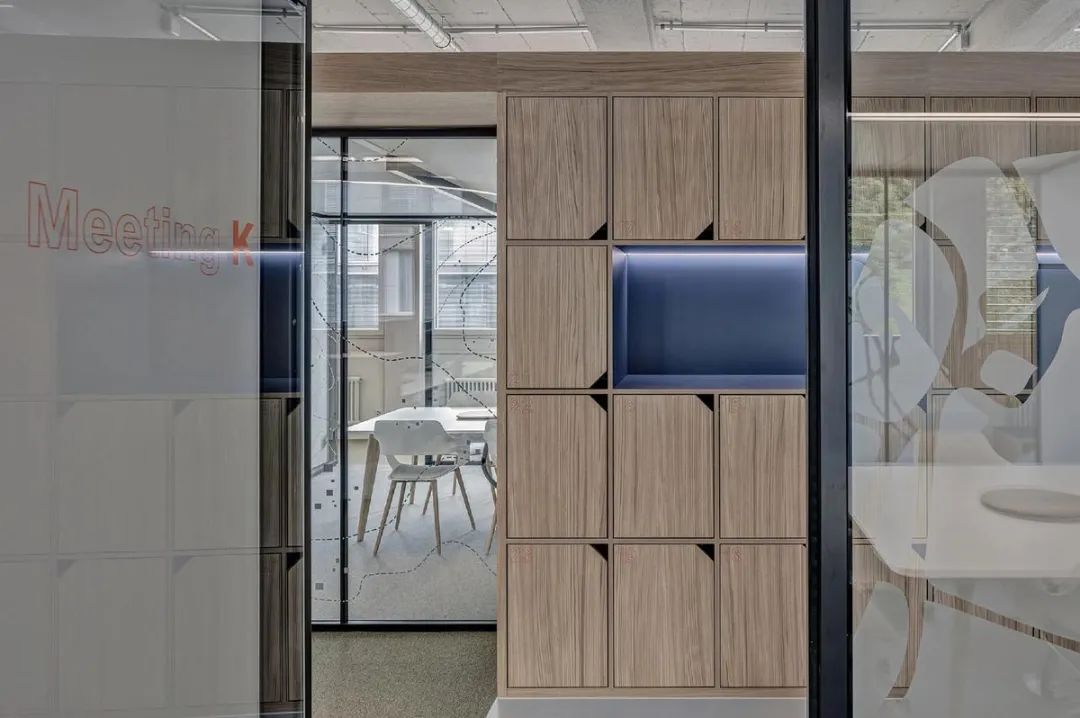
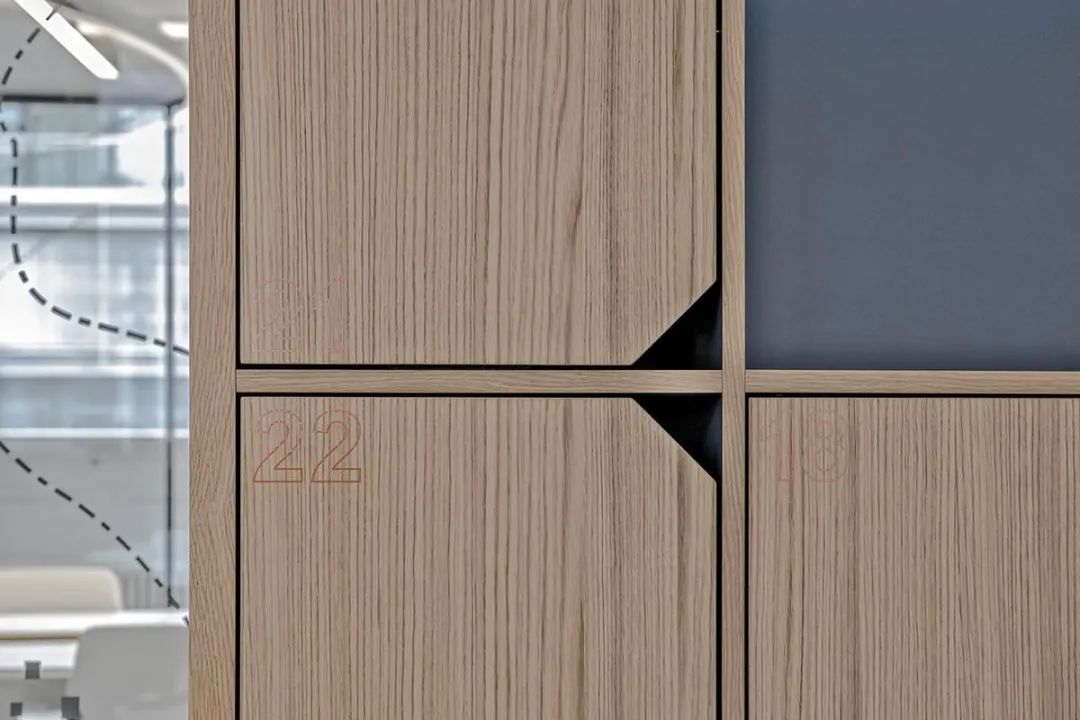
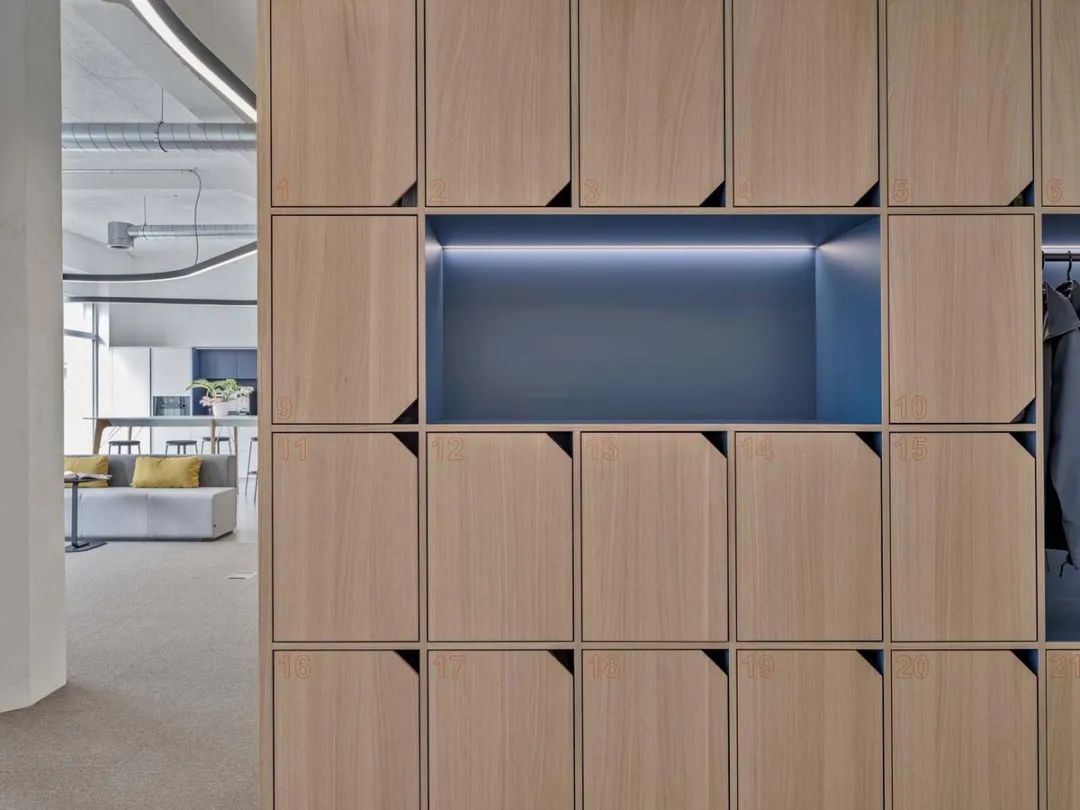
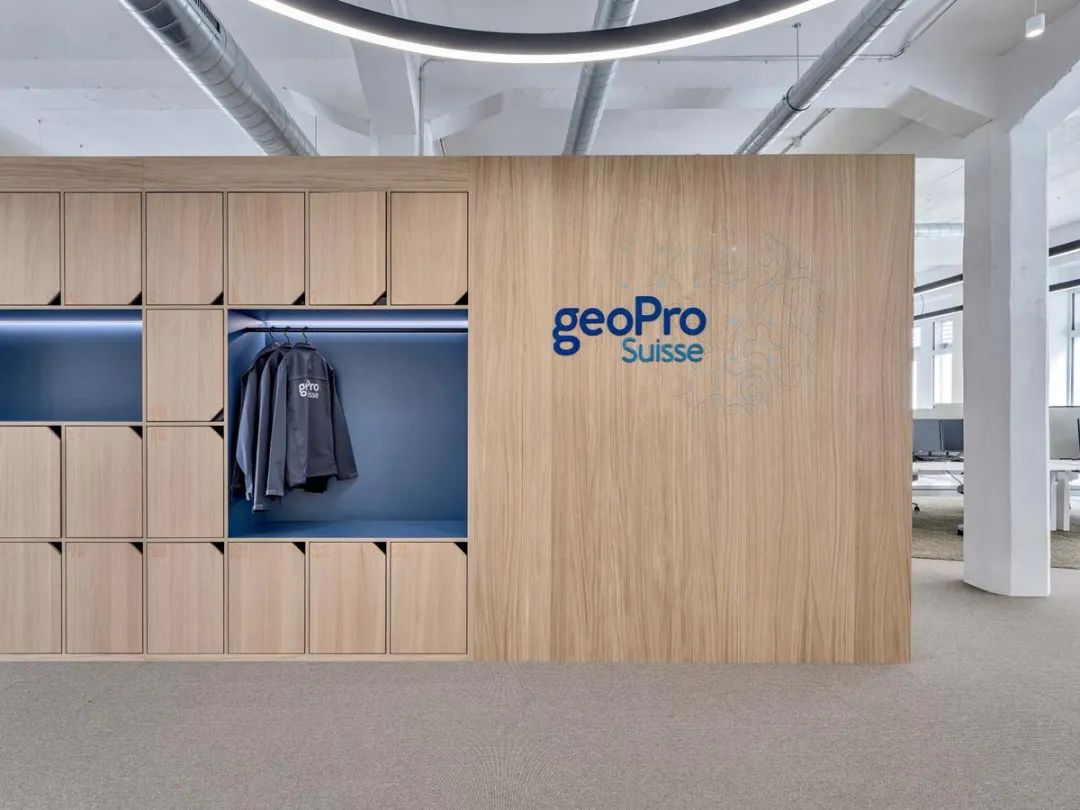
A: Yes.The key lies in the storage system and dynamic line planning.Each employee is equipped with independent lockers, combined with a daily cleaning system, and the area of not less than 300 square meters can be implemented.

Q: What is the maintenance cost of the modular ground system?
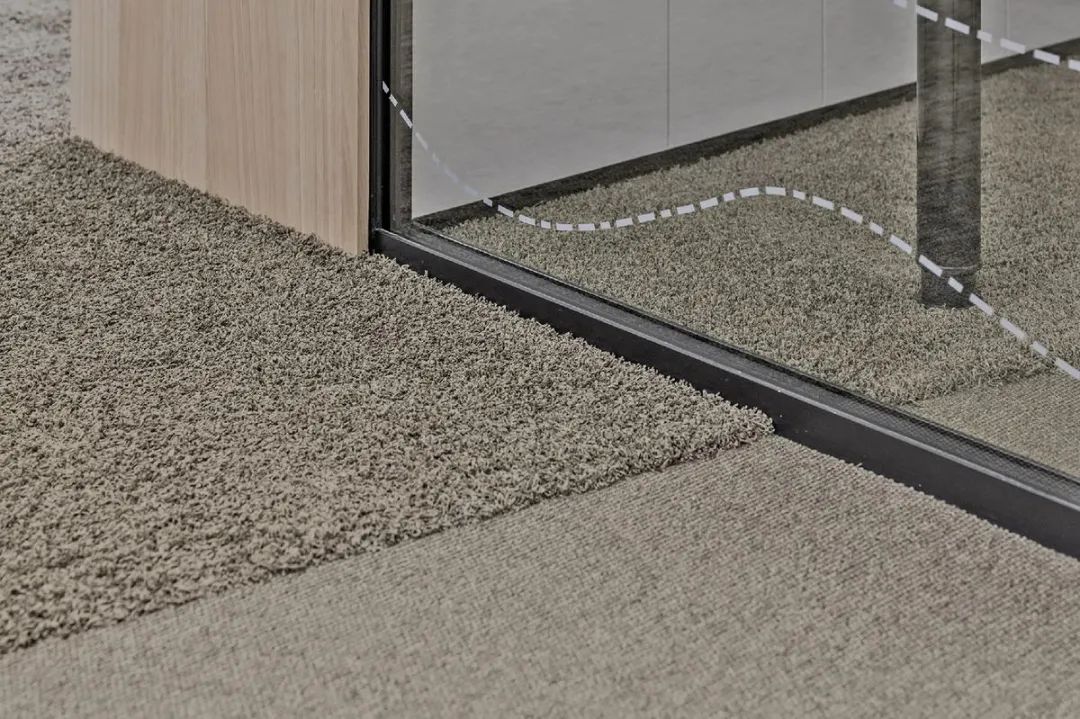
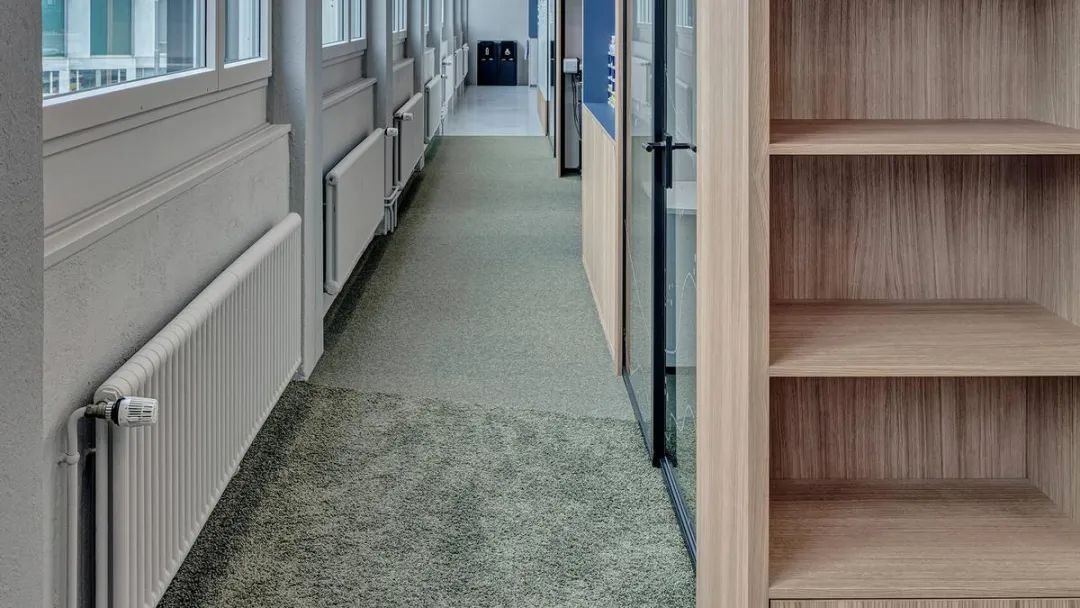
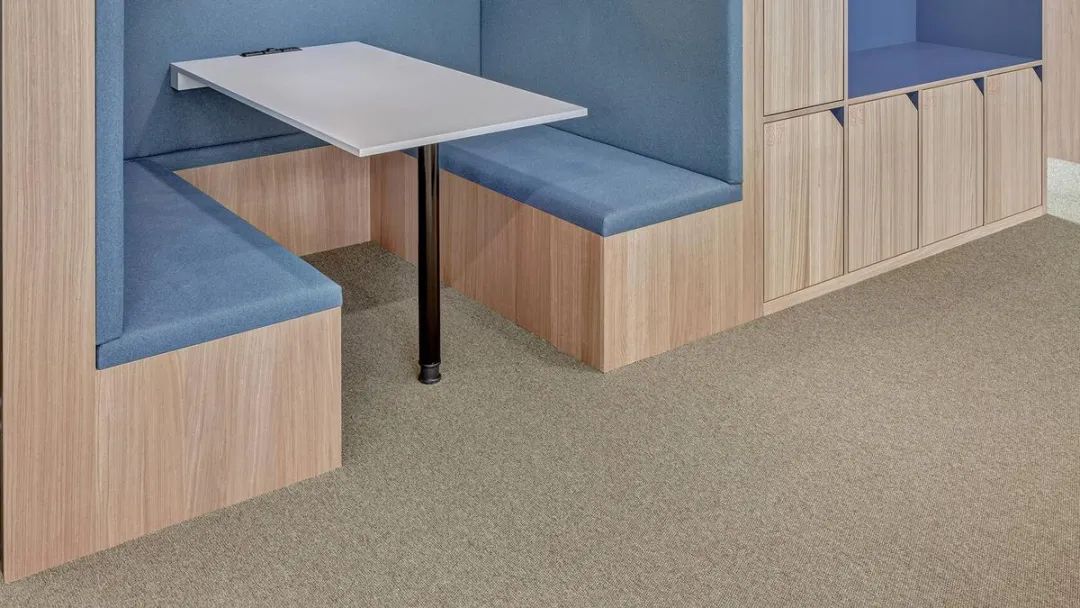
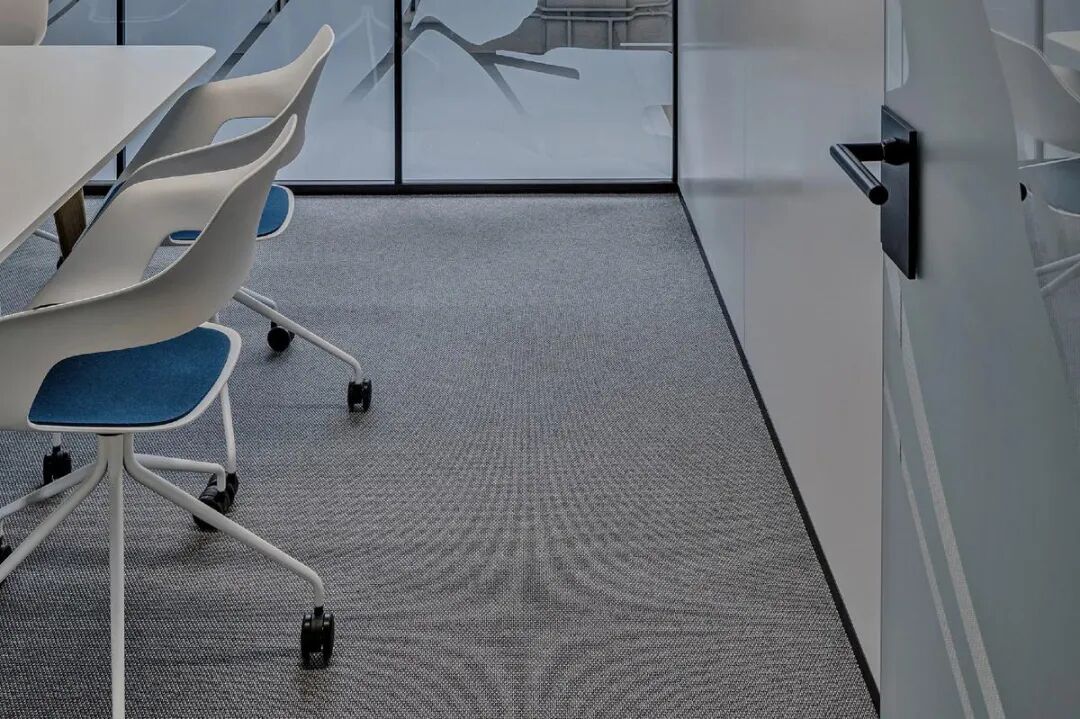
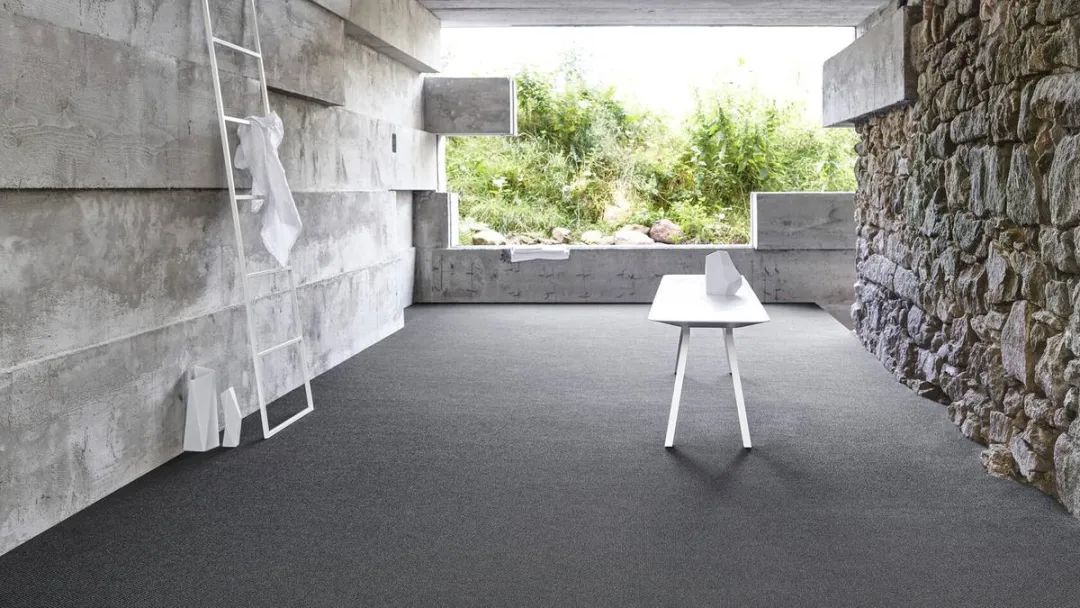
A: Tests have shown that the single-piece replacement cost of modular carpets and floors is about 70% lower than that of traditional full paving, and there is no need to stop production.

Q: How to quantify the return on investment of “attractive office”?
A: It is recommended to track three indicators: the monthly arrival rate of employees, the length of cross-departmental meetings, and changes in the delivery of recruitment resumes.In the case, the on-the-job rate increased by about 25% within 6 months.

Online Service
Call Us
13809618579WeChat