Senior industry analyst
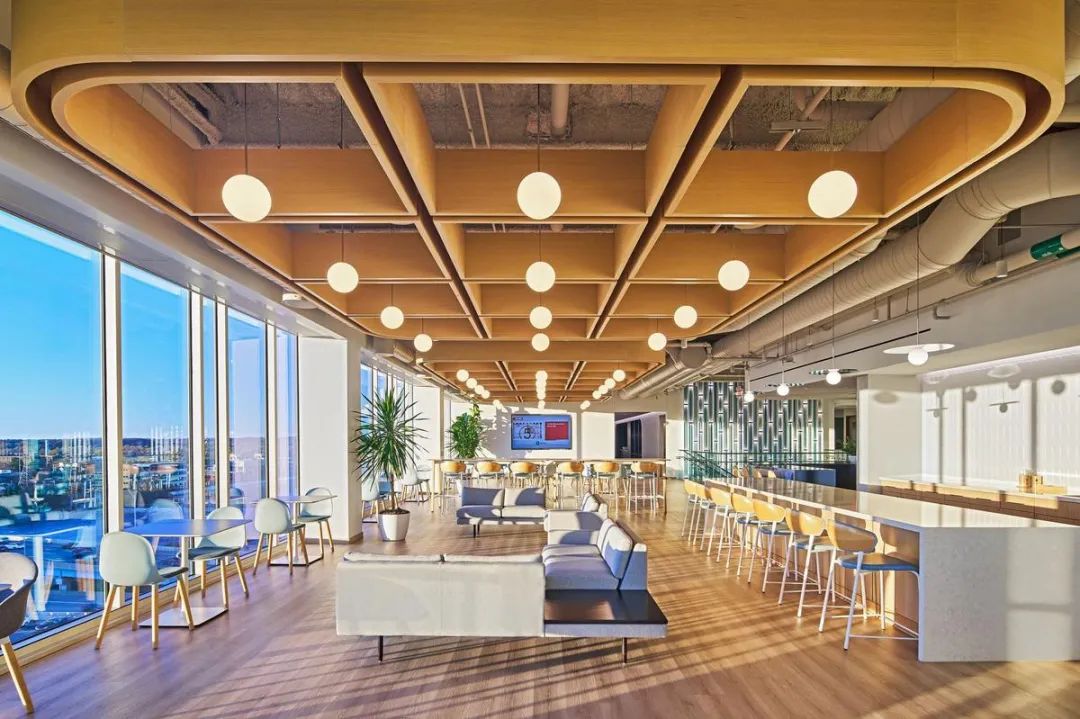
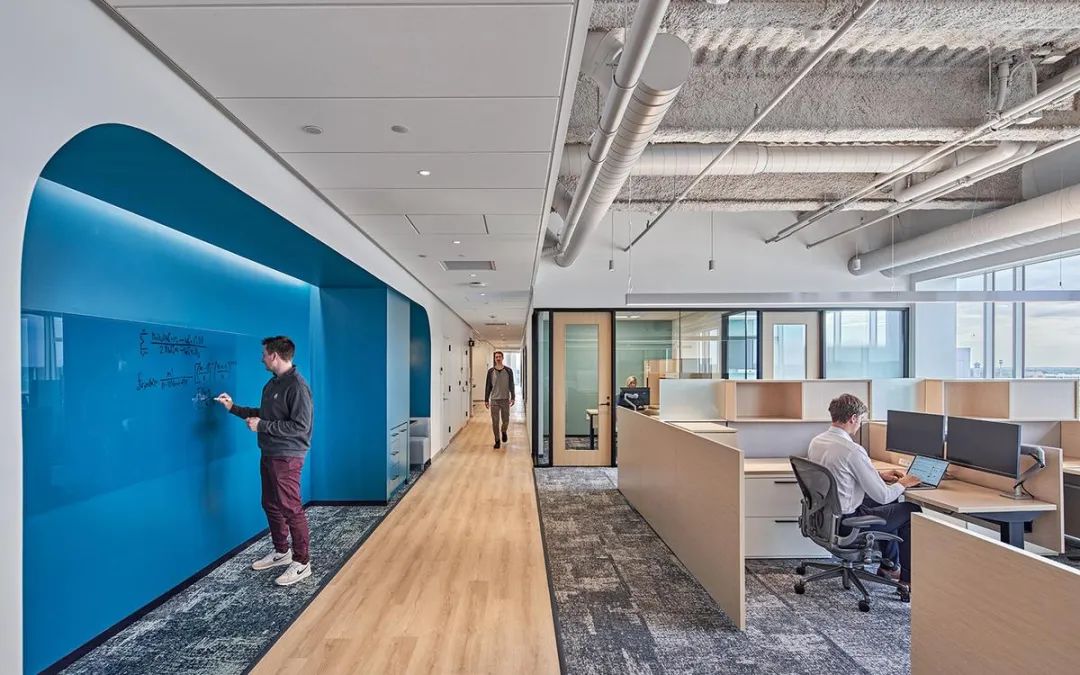
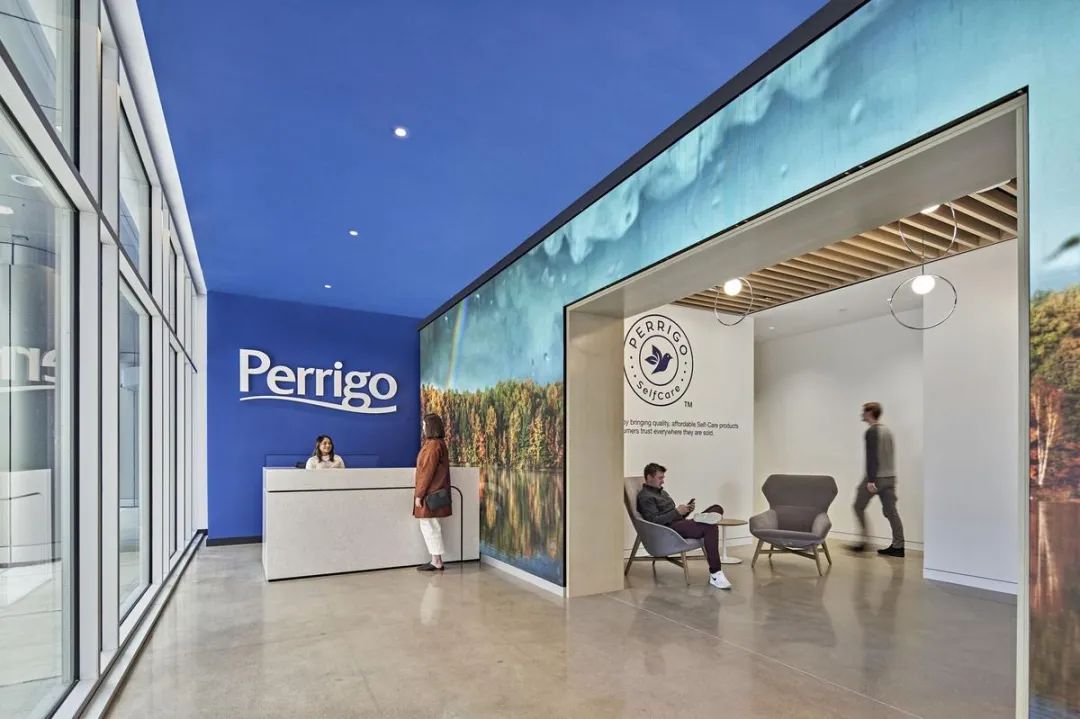
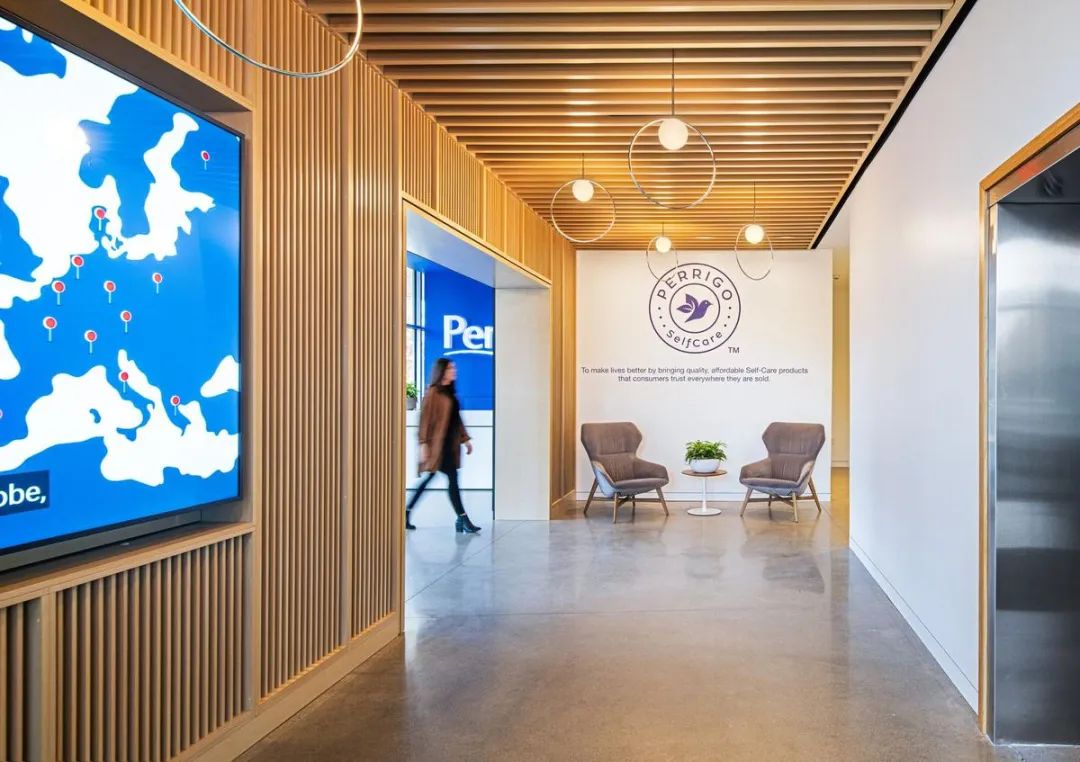
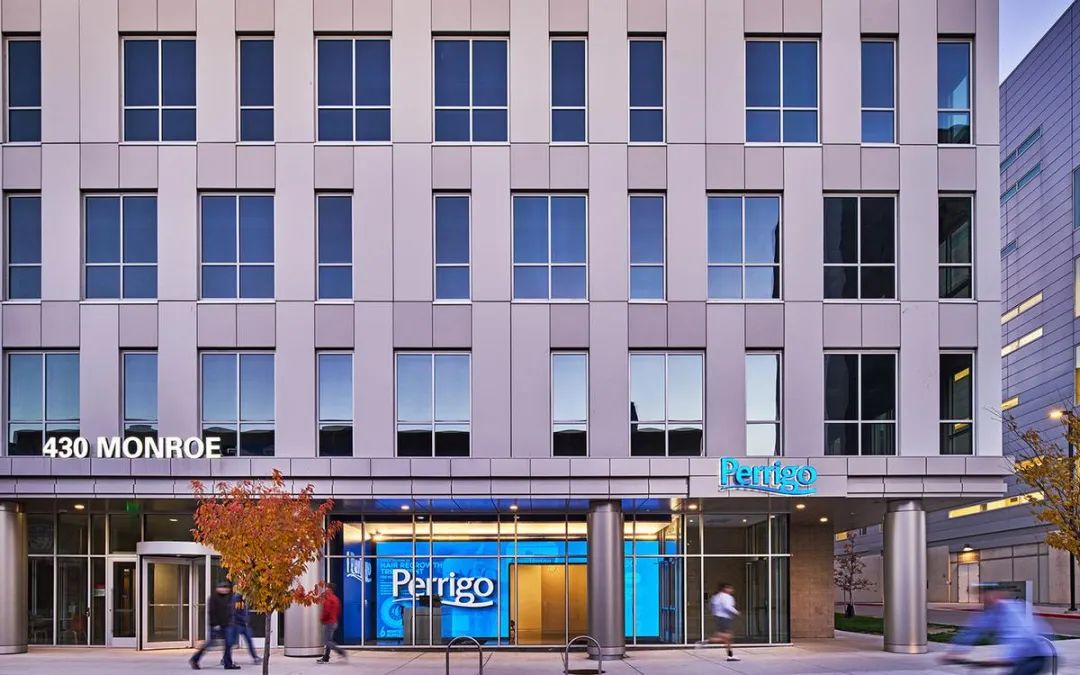
At the moment when hybrid office has become the norm, the role of corporate headquarters is changing from a simple office space to a cultural carrier and collaboration catalyst.The recently completed Perrigo North American headquarters provides a sample worth analyzing for the office environment design in the medical and health industry.This 5,900-square-meter project does not stop at aesthetics, but systematically responds to the core proposition of “how to balance the rigorous focus required by pharmaceutical companies with the open collaboration required for innovation through spatial design”.


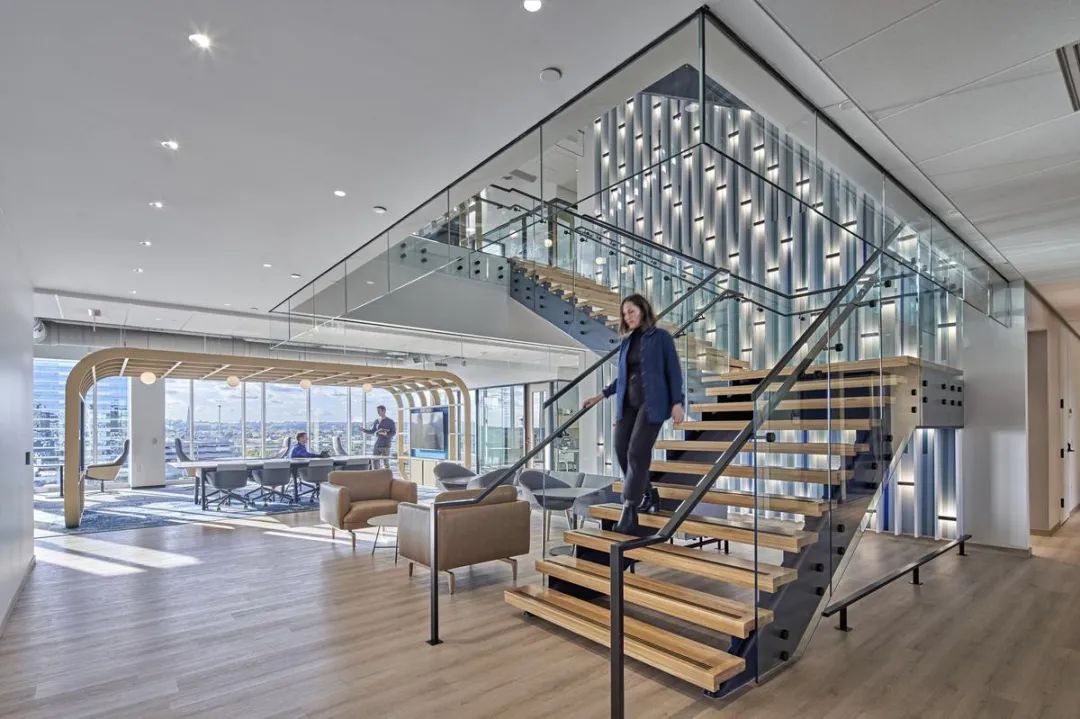
1. Spatial layout: a “gradient” strategy from open to private
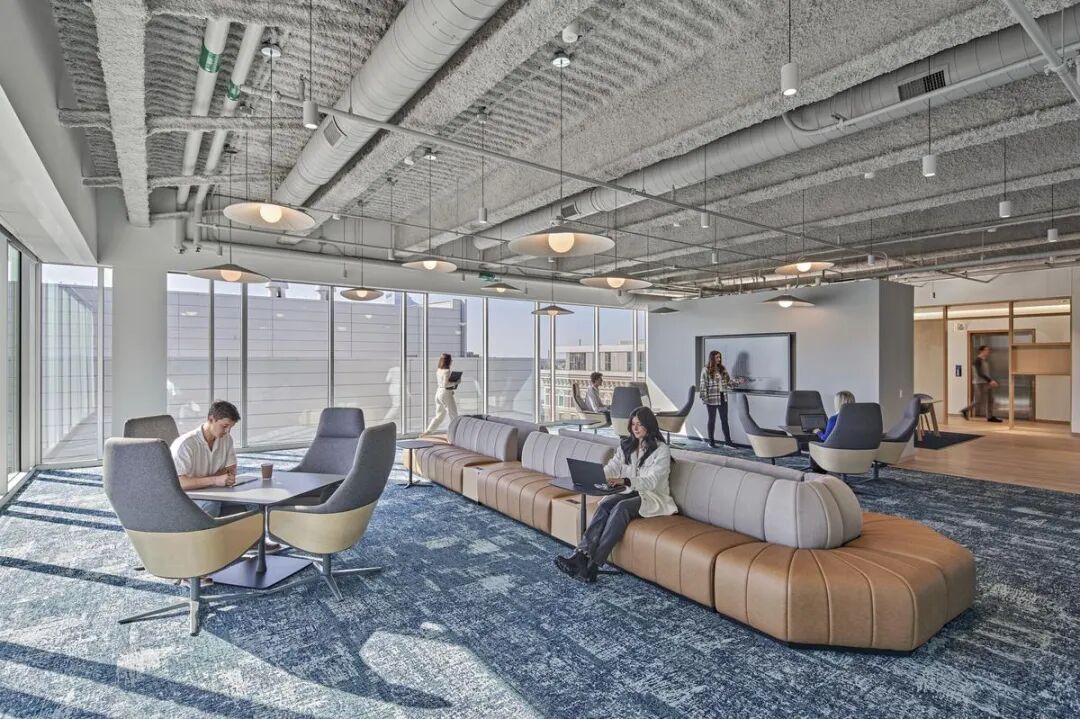
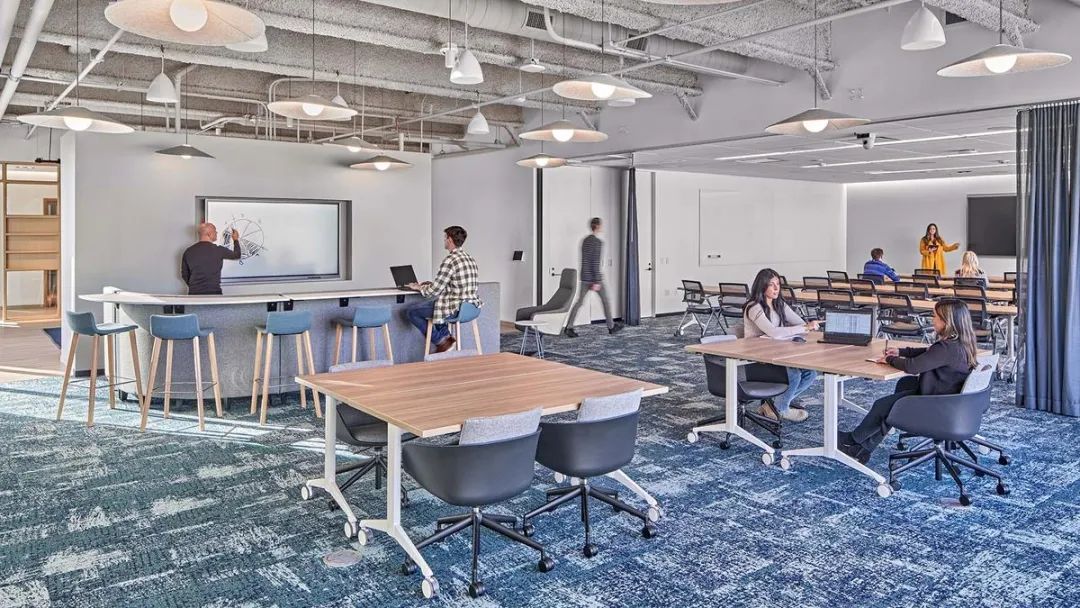
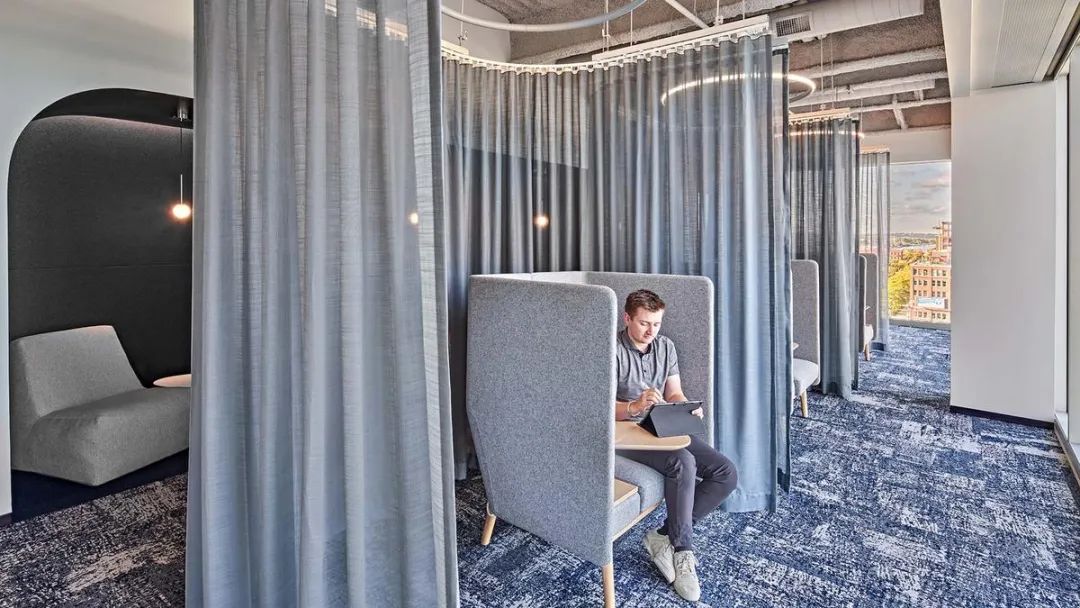
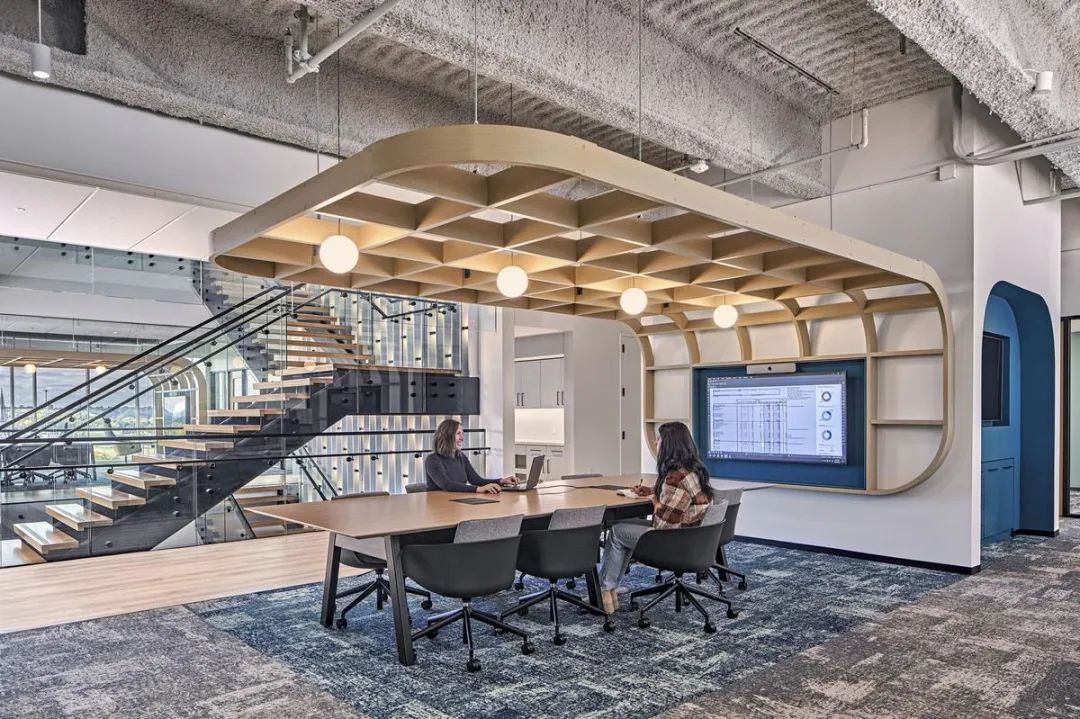
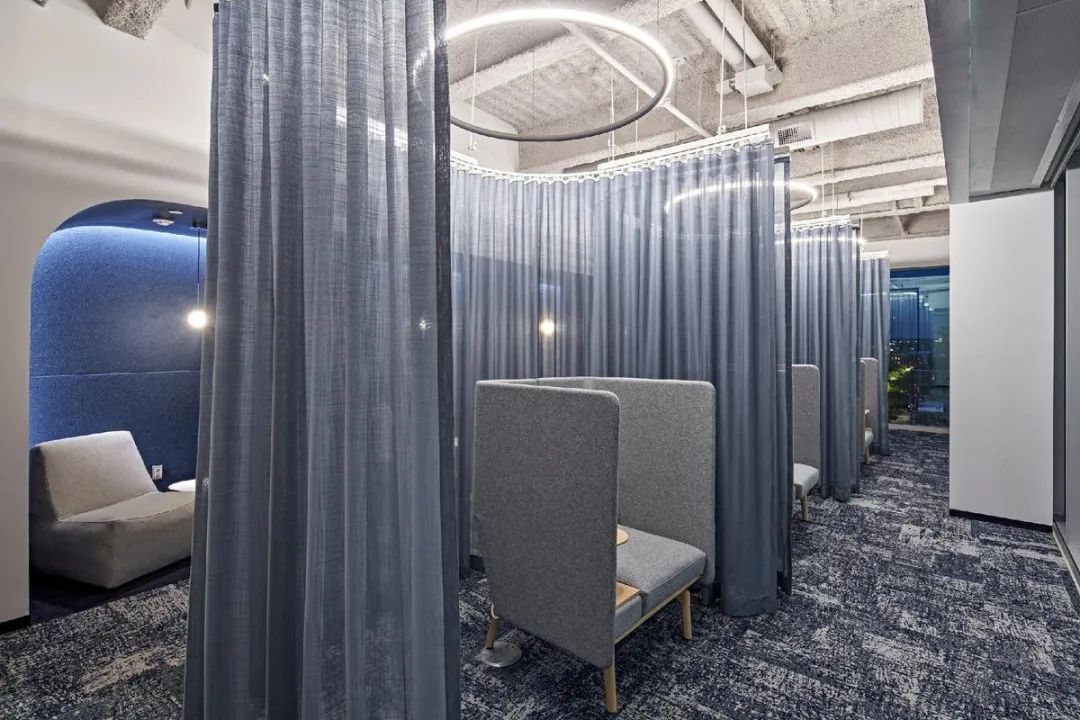
, so that work of different nature can naturally find the most suitable scene.
2. Materials and senses: using biological design to reduce cognitive load
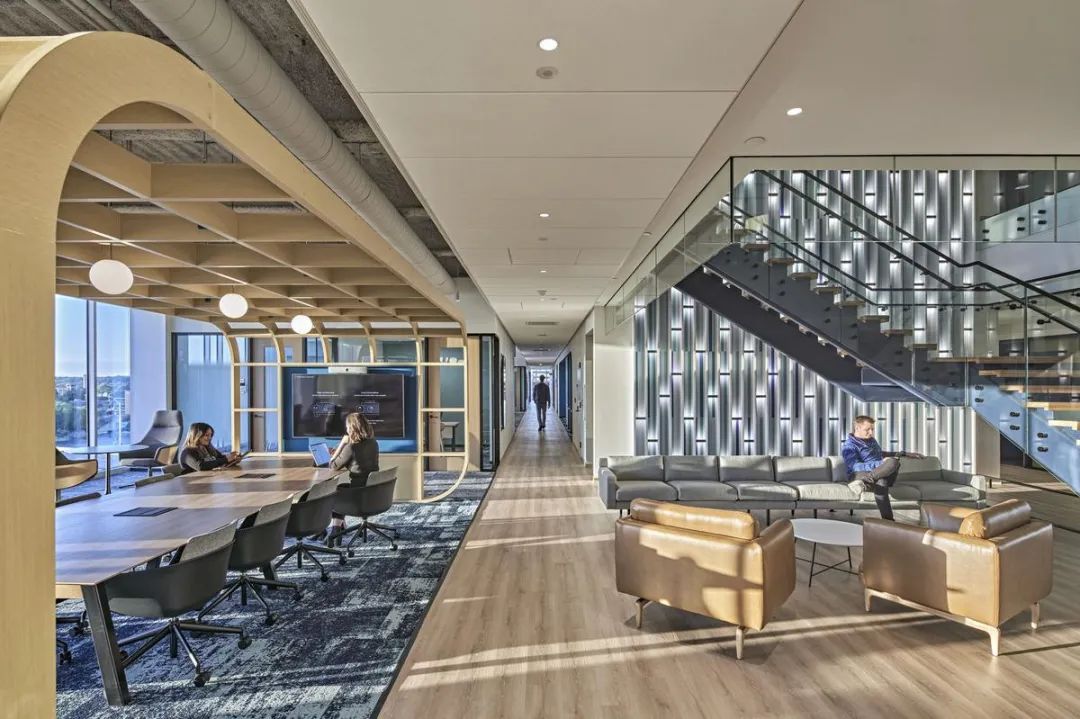
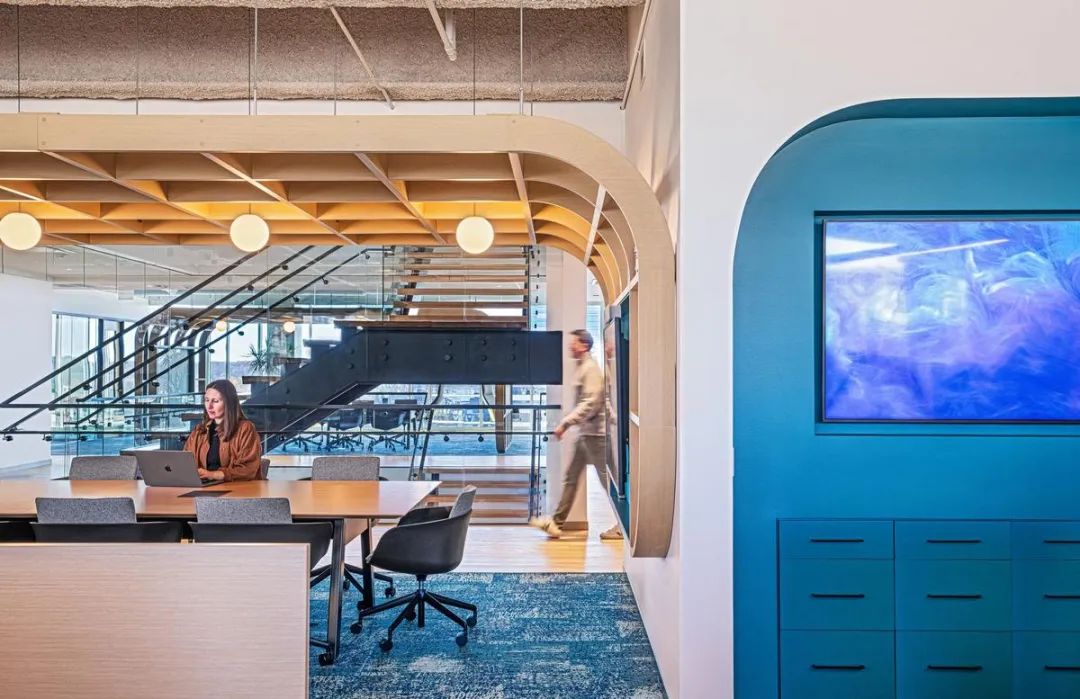
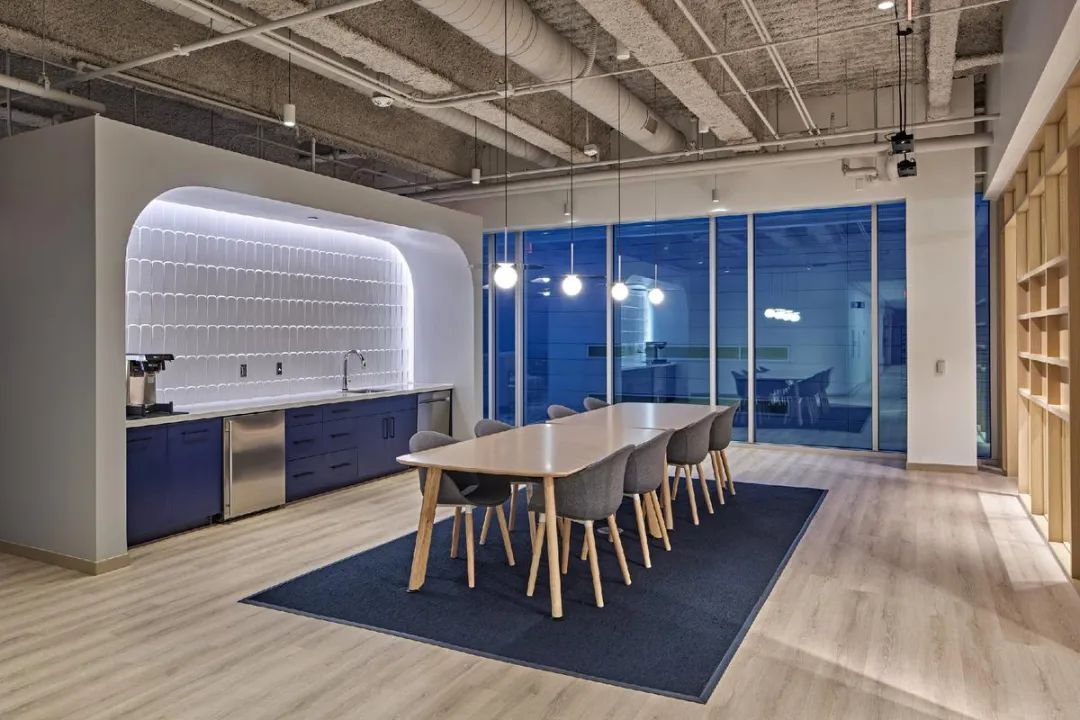
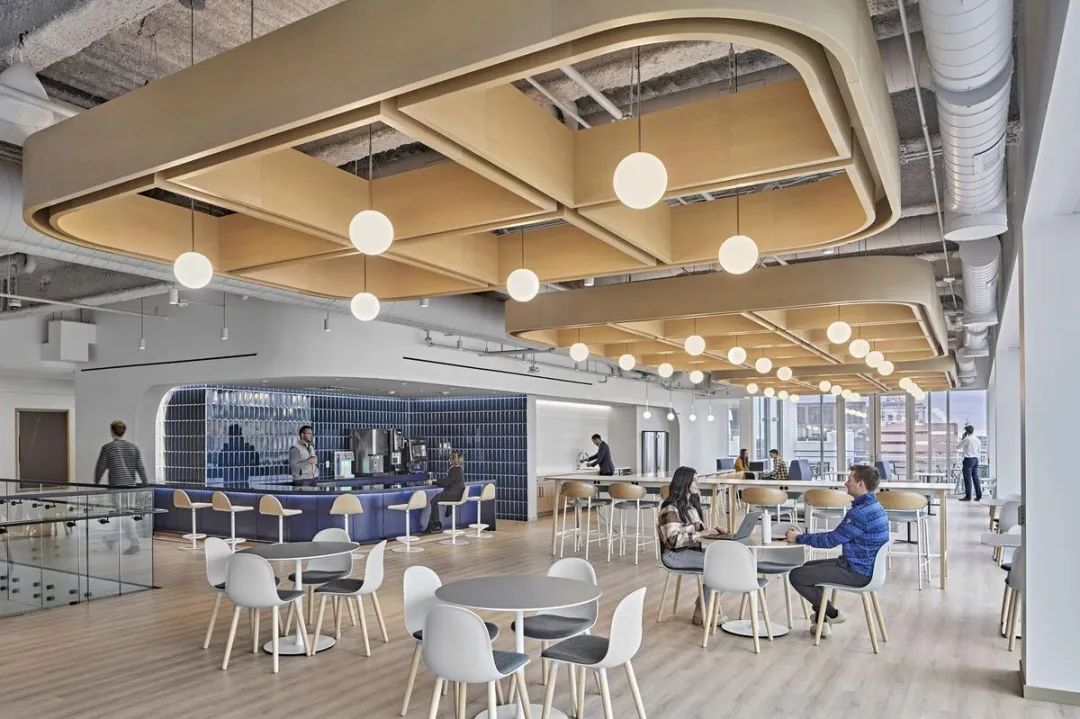
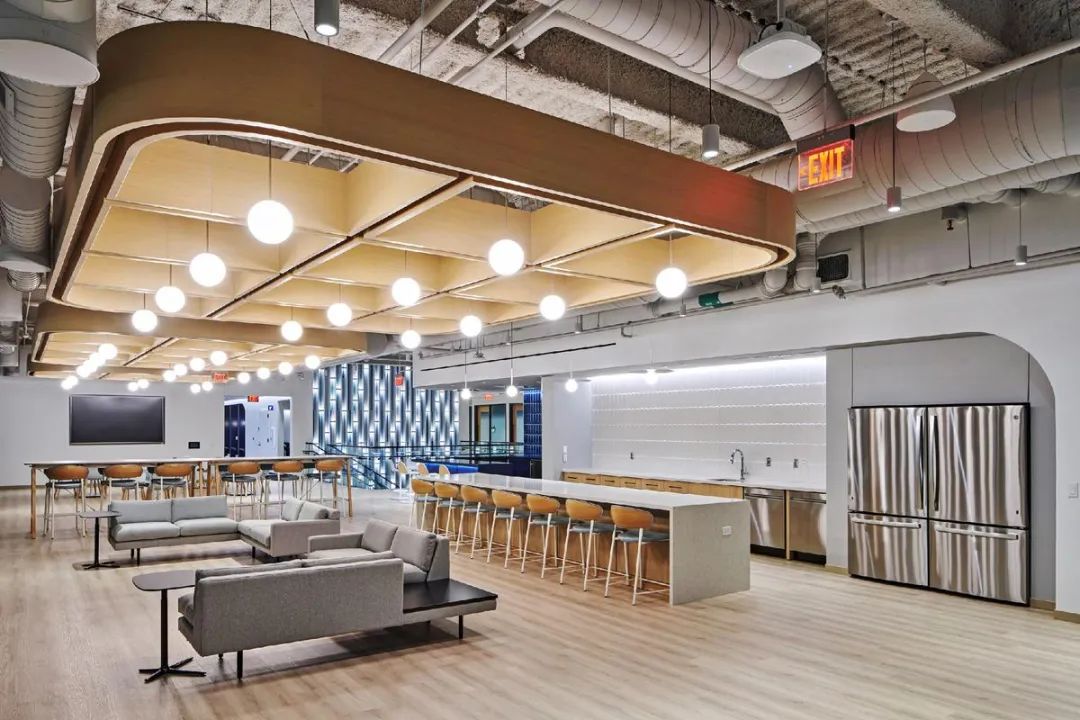
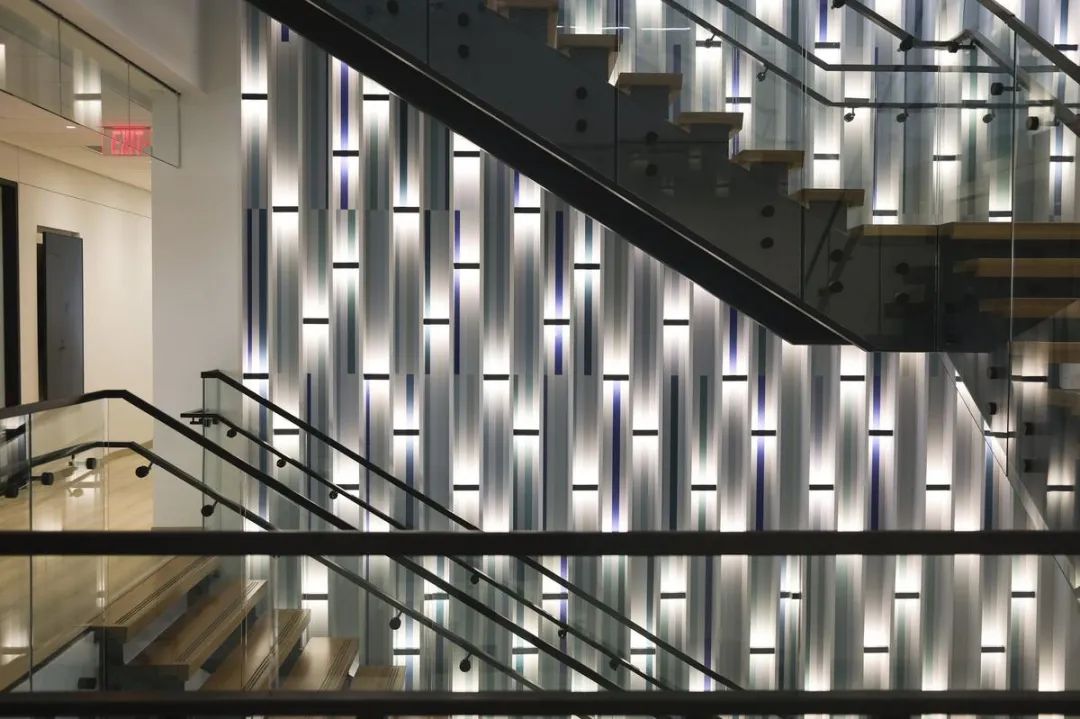
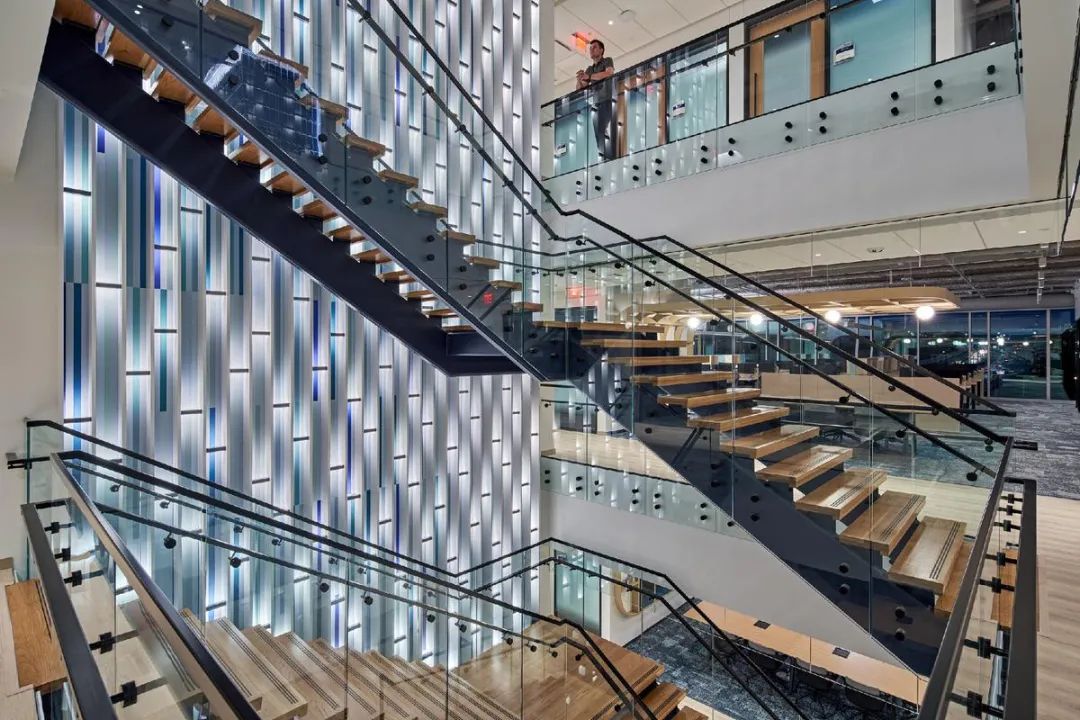
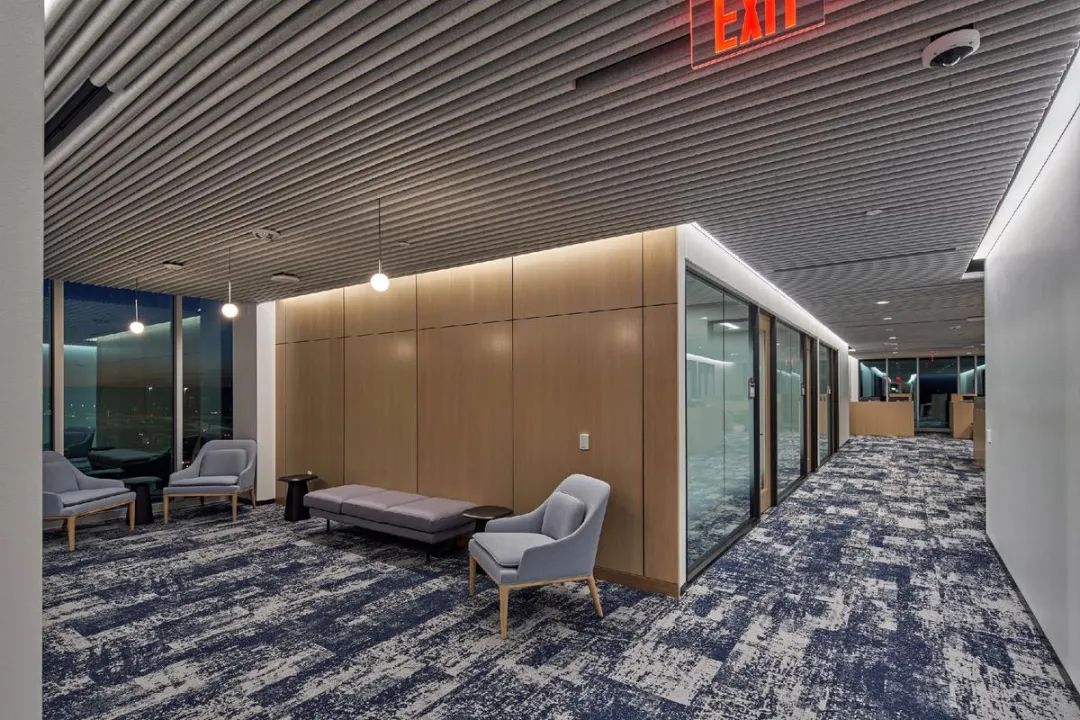
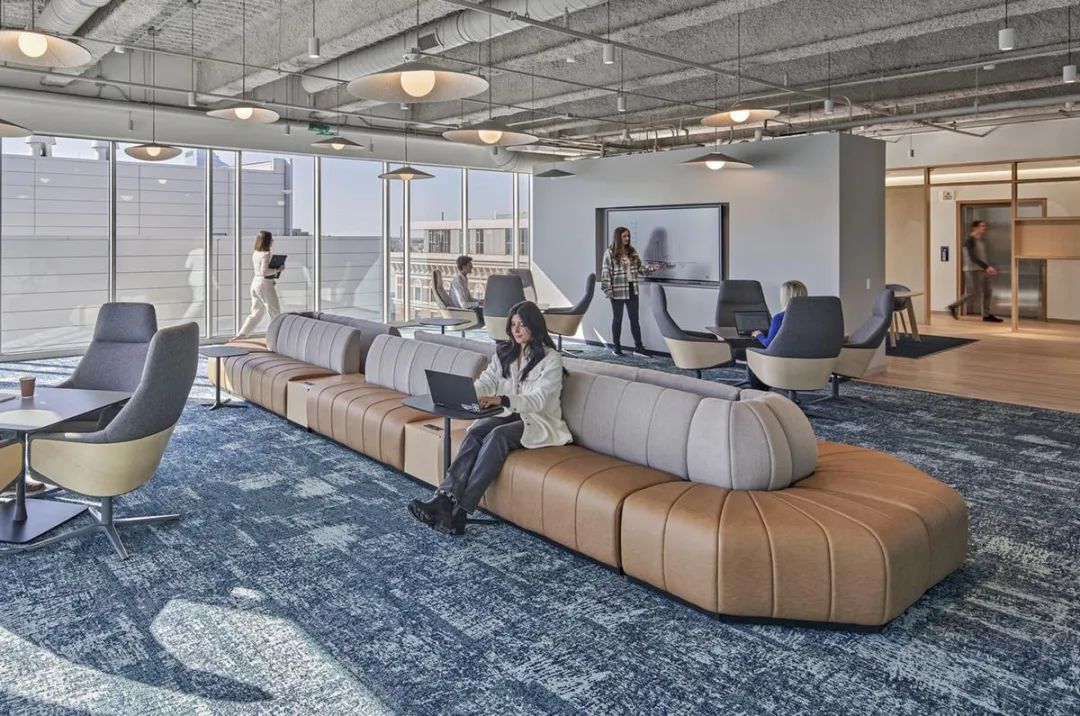
As a self-care product company, Perrigo projects the concept of health directly into the spatial material.Warm wood trim, soft fabrics and healing blue and green tones form the base, and the vibrant area is dotted with orange.This kind of design is not only about aesthetics, but also has empirical evidence: natural tones and soft materials have been shown to reduce stress hormone levels.The lenticular fins and hidden lighting of the central staircase create a waterfall-like dynamic light and shadow, transforming vertical traffic into a short “sensory rest” and relieving the fatigue caused by high-intensity mental work.
3. Office furniture: the core executor of flexible scenes
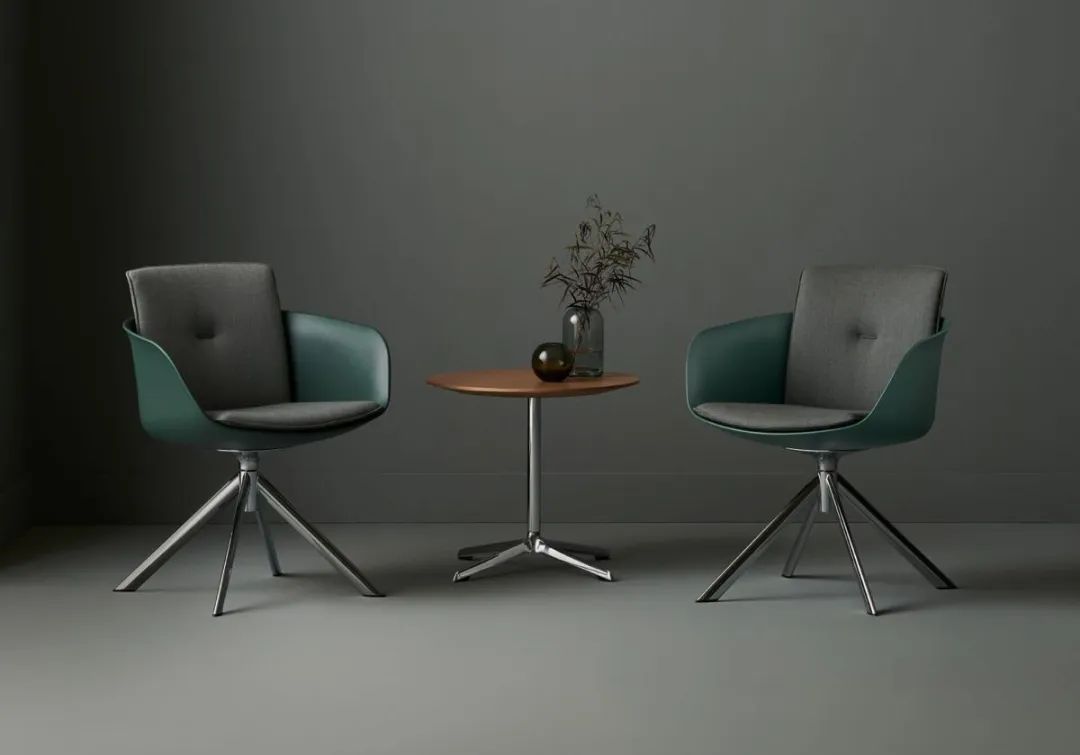
office furniture .In this case, Davis Furniture’s LightWork collaboration chair is suitable for short-term discussions because of its lightness and support; the Ginkgo lounge chair provides an ergonomic sense of wrapping in the lounge area.National’s Swift module portfolio is particularly typical-it can be freely reorganized according to the size of the team, and it can respond quickly whether it is a small discussion or a department meeting.These furniture are no longer passive fillers, but “switches” for space function switching.
Fourth, the inspiration for the industry
office environment design is clear: it should be a rational investment in health, not just a sensual aesthetic expression.When the space is adaptable, the furniture is flexible, and the materials are healing, the headquarters naturally becomes the “formula” for the best condition of employees.