Text/spatial observation
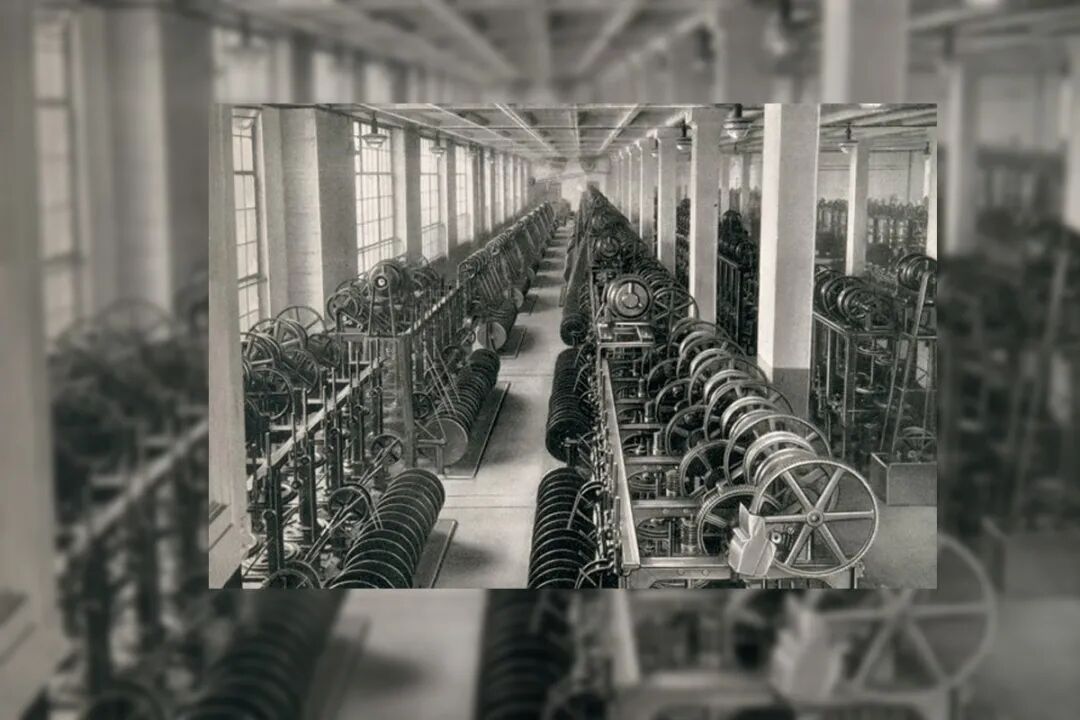
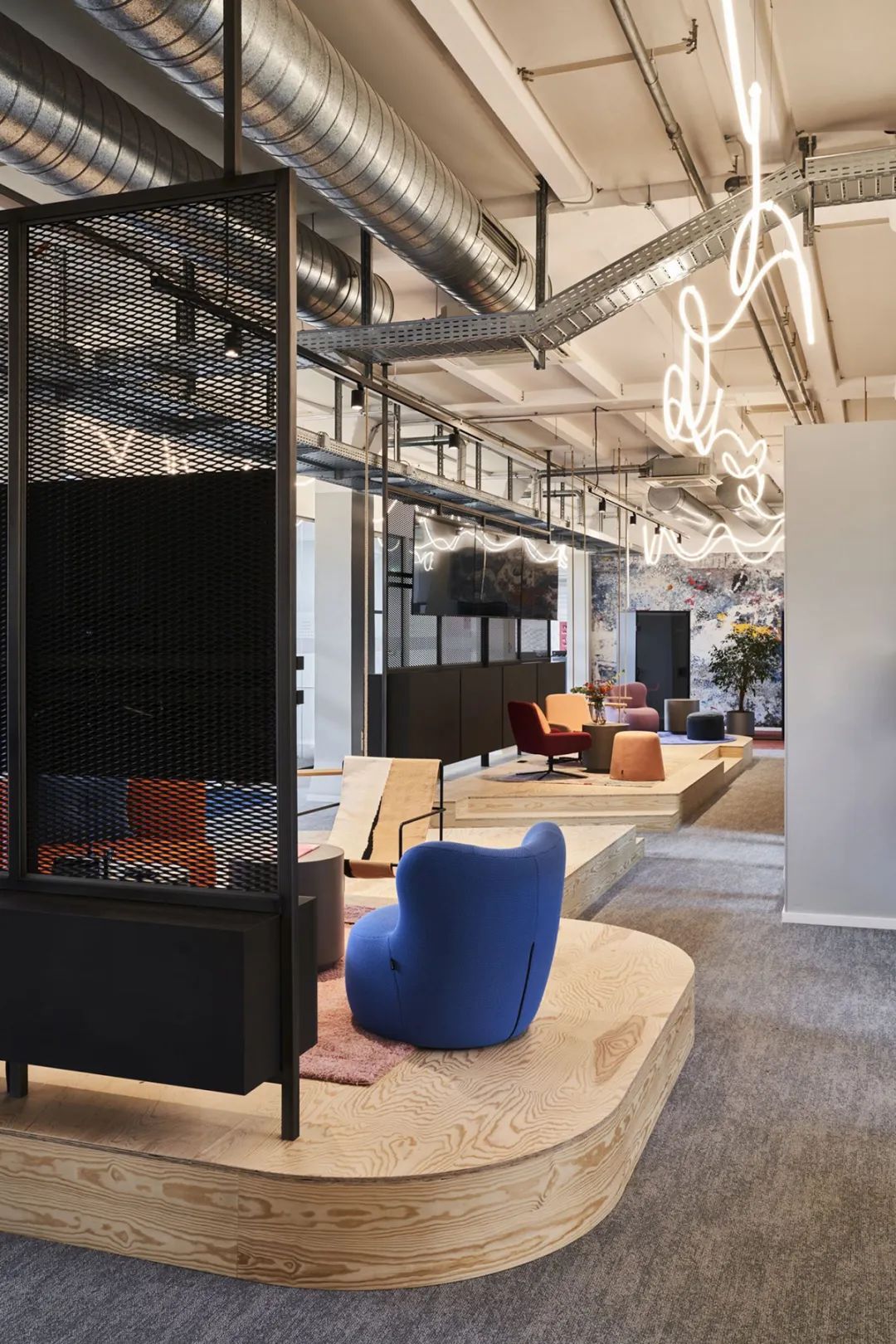
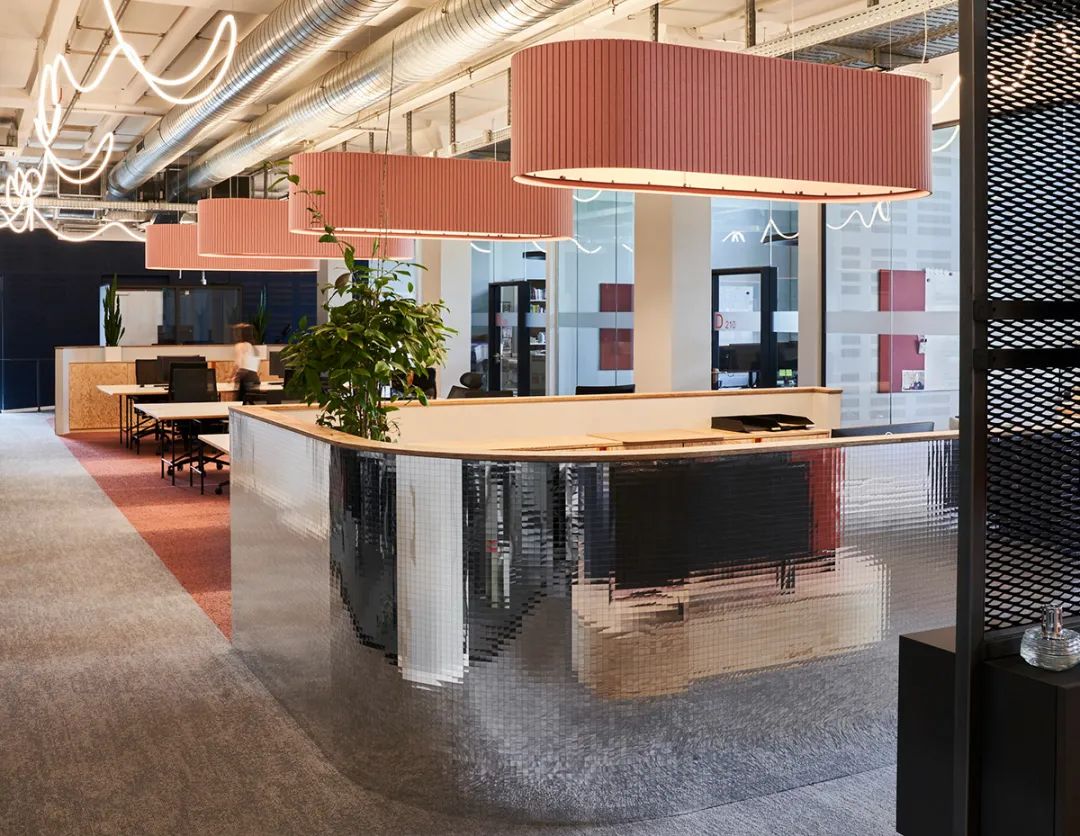
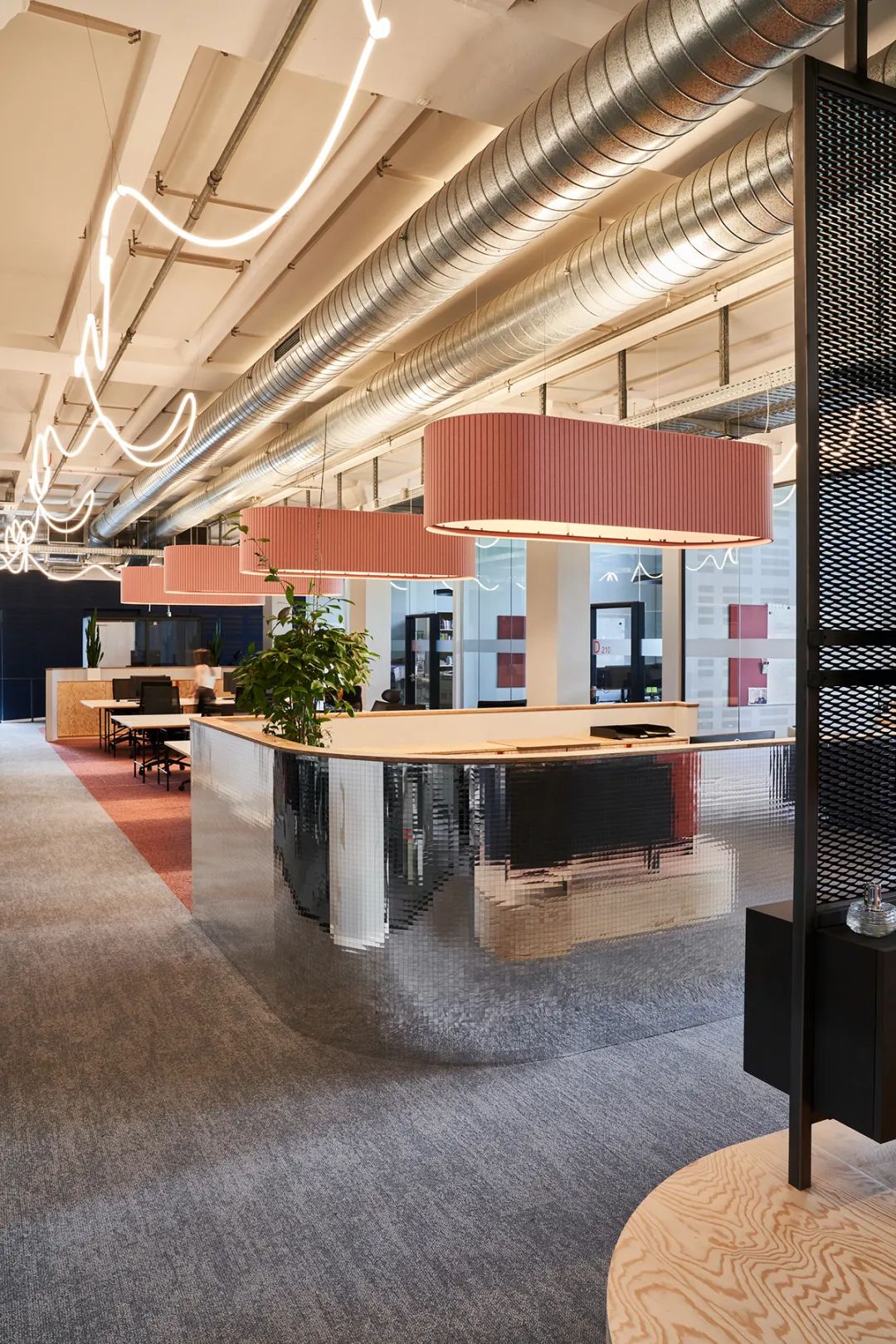
When the sun penetrated the mottled skylights of the old cable warehouse in Cologne and poured on the ground that was once full of industrial waste, some kind of wonderful transformation was taking place.In a space of 1,500 square meters, rough exposed pipelines and warm wooden finishes live in the same room, and rusty steel beams collide with bright colors to create surprising sparks.
This is the Cologne office of Banijay, one of the largest media industry content production groups in Europe.Three years ago, it was still an abandoned warehouse forgotten in the industrial context of the city; three years later, it became a creative habitat that can not only host late-night brainstorming by TV producers, but also accommodate quiet reading and deep thinking.
Walking into Banijay’s Cologne office, the first thing that strikes the vision is the deliberately preserved industrial traces.The transformation of old buildings is never to tear them down and start over, but to write a new chapter in the texture of history.
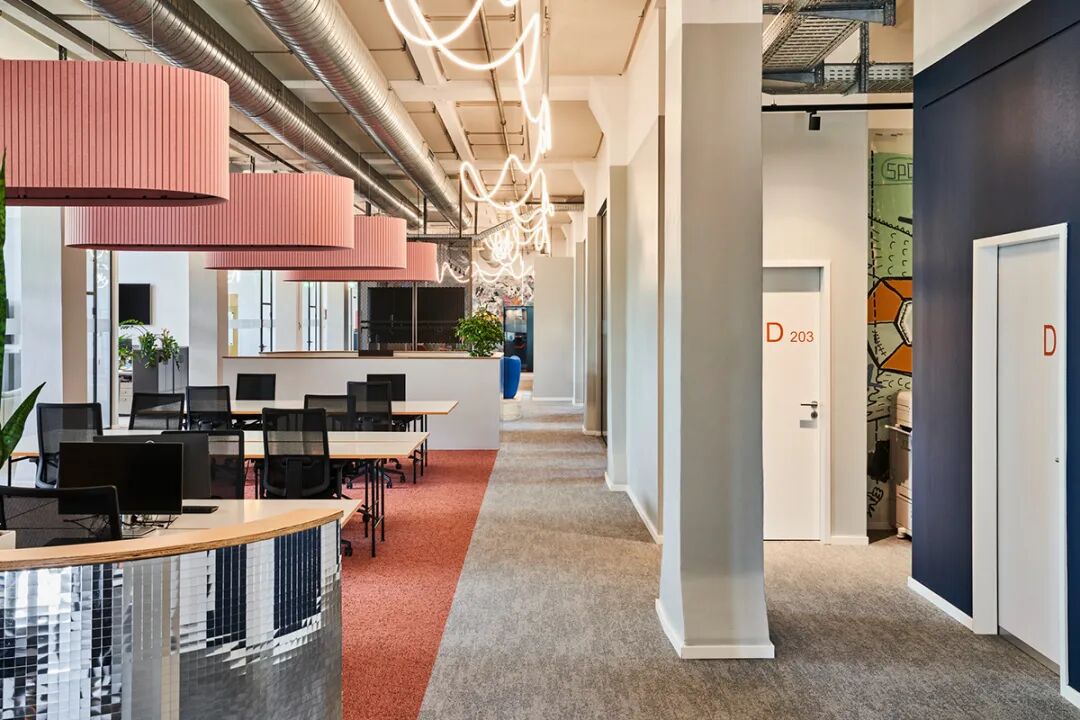
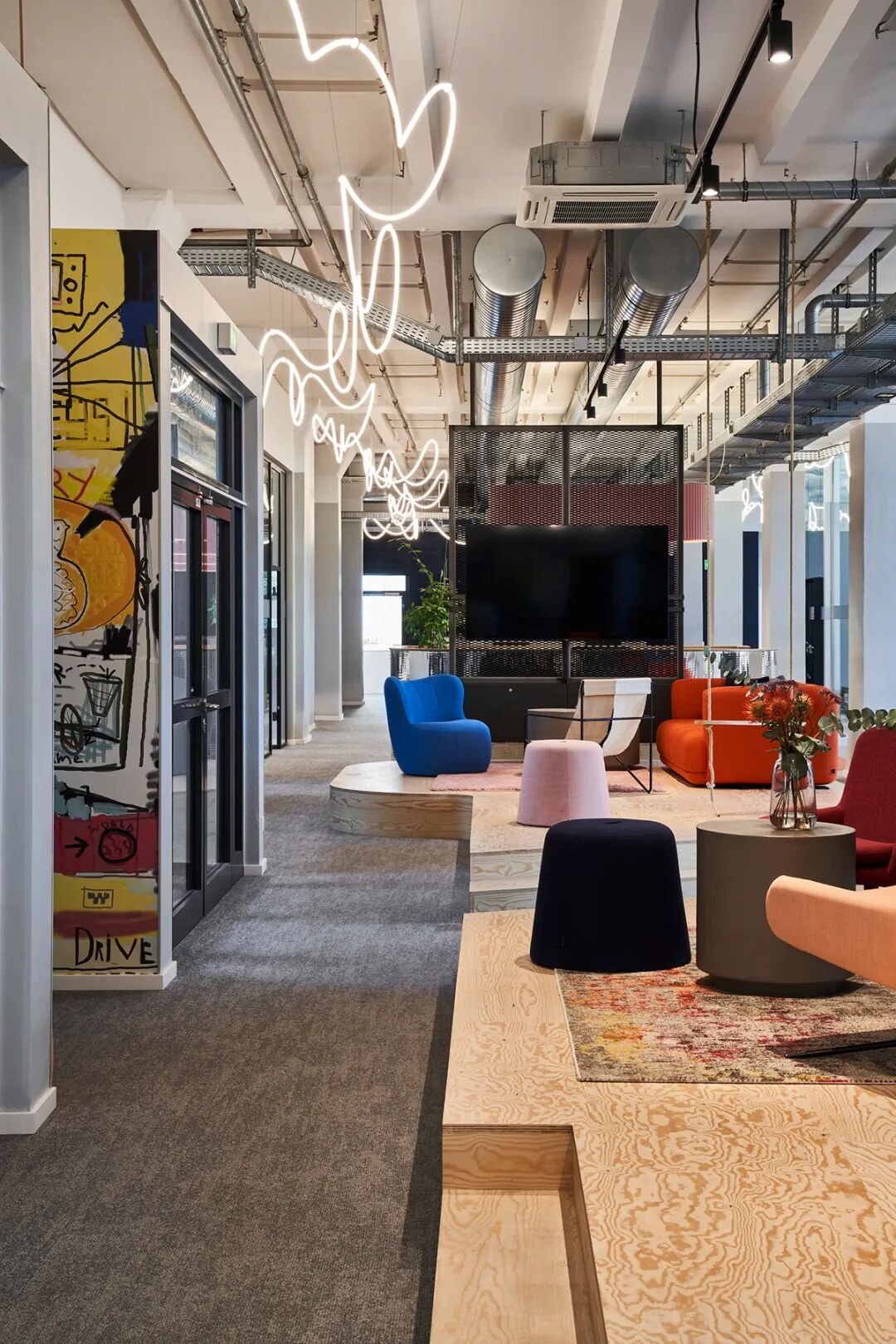
The design team did not try to cover up the past of this warehouse, but turned The process of transforming the old building itself into an aesthetic declaration.The original concrete columns were reinforced and exposed to the space, becoming a natural barrier to divide the functional area; the rusted steel hanging rail was preserved and transformed into a unique lighting track system; the metal bridge originally used to carry the cable, after a little finishing, it became an open shelf full of industrial style.
This approach is architecturally called “narrative retention”-it does not erase the traces of time, but allows elements of different eras to talk in the same space.The essence of the media industry is storytelling, and Banijay’s office itself is a story about rebirth and possibility.
Industrial aesthetics Here is not a deliberately pursued style label, but a natural result of respecting the original architectural logic.The combination of high-contrast materials-cold metal and warm fabric, smooth glass and rough concrete-creates a dual level of vision and touch.When the creative director of a TV production team stands in such a space, inspiration often germinates in the subtle stimulation brought about by the collision of materials.
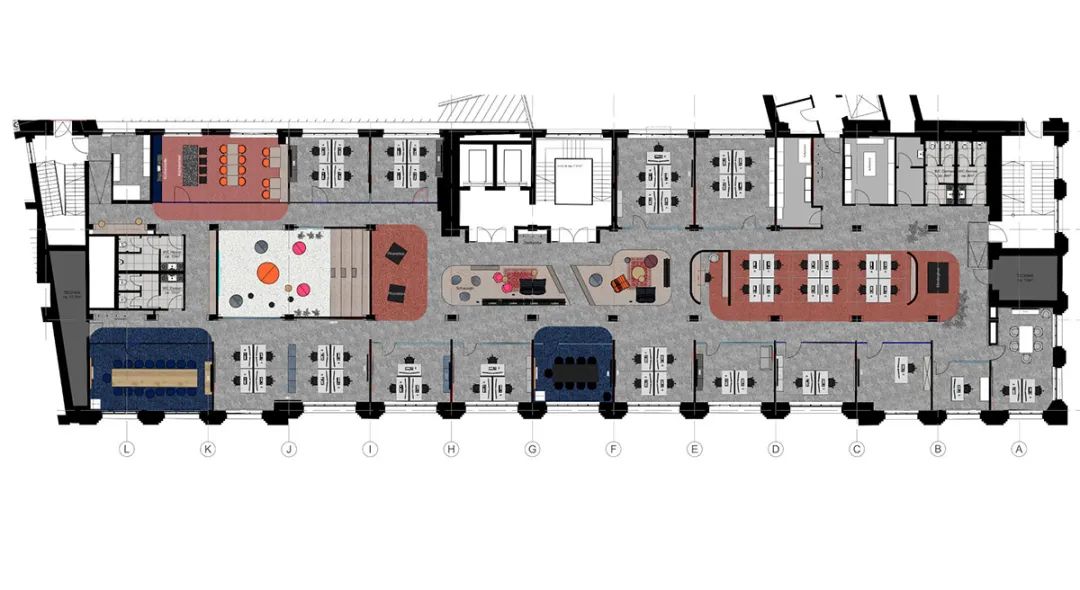
How can the 1,500 square meters of space meet the needs of a media industry team operating on a project system?The answer of Banijay’s Cologne office is: do not define rigid boundaries for the space, but let it change as needed.
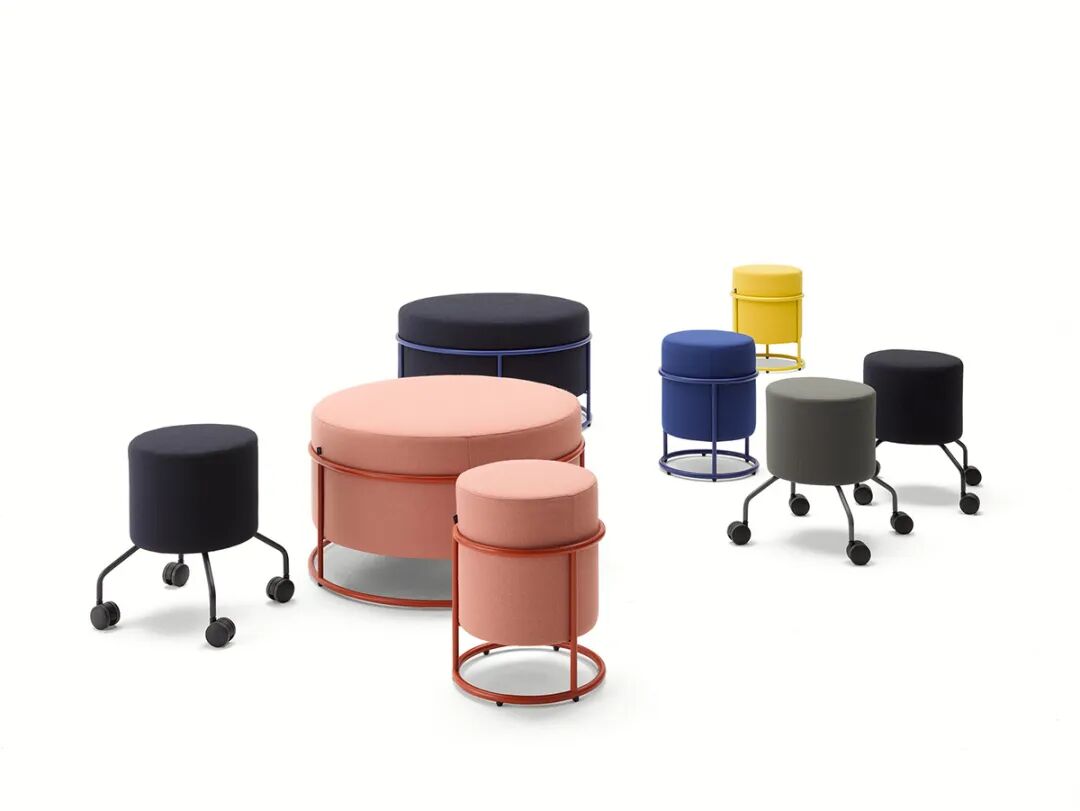
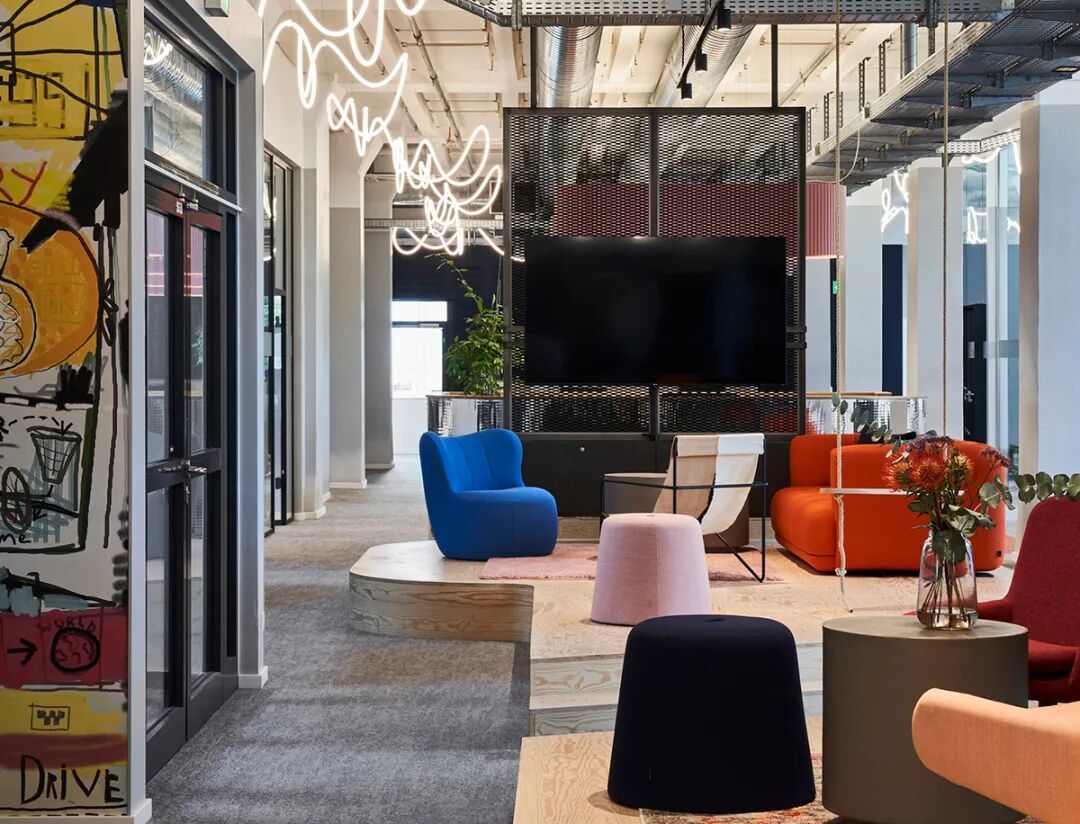
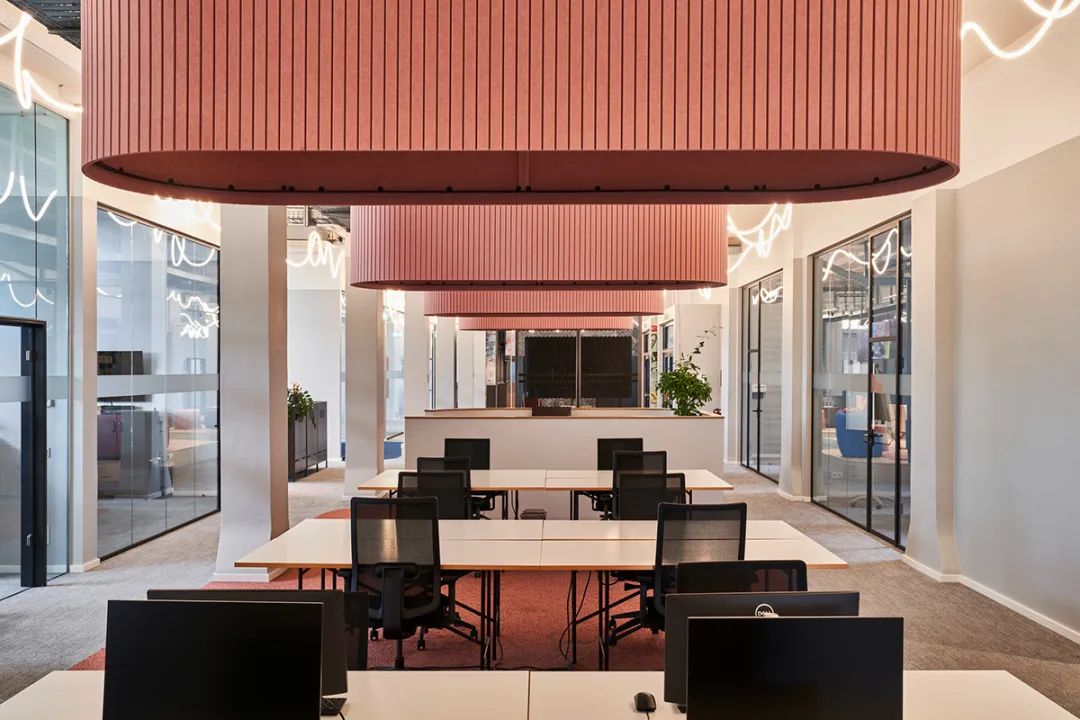
The shared office area is not a simple arrangement of workstations, but a well-designed space ecosystem.The open-plan collaboration area uses a combination of movable furniture, which can be transformed from a quiet reading corner to a project discussion venue for 20 people overnight.The translucent frosted glass partition not only ensures visual transparency, but also provides the necessary sense of privacy for work that requires concentration.
It is worth noting that the office does not have a fixed personal desk.Each team member is free to choose a station according to the nature of the day’s work-choose a quiet “concentration cabin” when you need in-depth creation, and choose an “inspiration corner” close to the tea area when you need to collaborate and communicate.This model of no fixed work station is especially applicable in the media industry, because the work rhythm of content creators is fluid in itself: you may need to cut films alone in the morning, and you have to have a meeting with customers in the afternoon.
The core of sharing is not the sharing of space, but the dynamic balance between the two working modes of collaboration and focus.The designer implanted a clear “sound level gradient” in the space: the area near the entrance and the core corridor is a collaborative area for high-frequency interaction, while the corners deep into the hinterland of the space are created into a low-noise dedicated work area.This design allows every employee to freely switch between “connected” and “alone” according to the needs of the task.
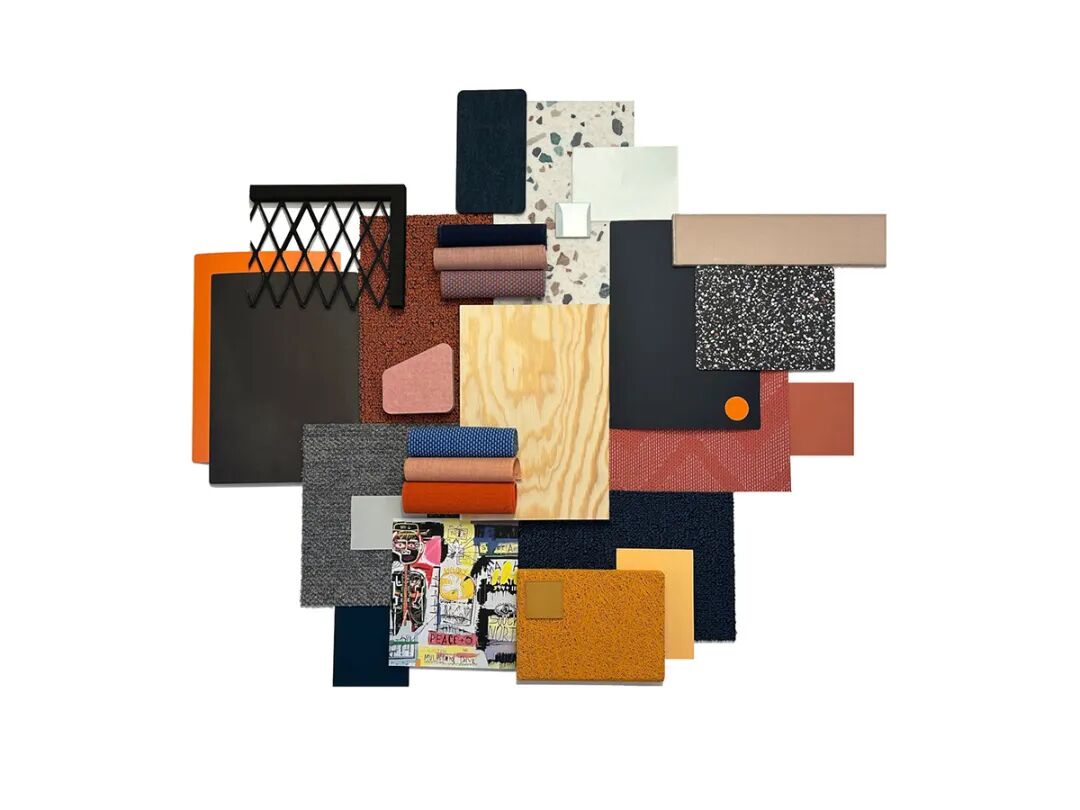
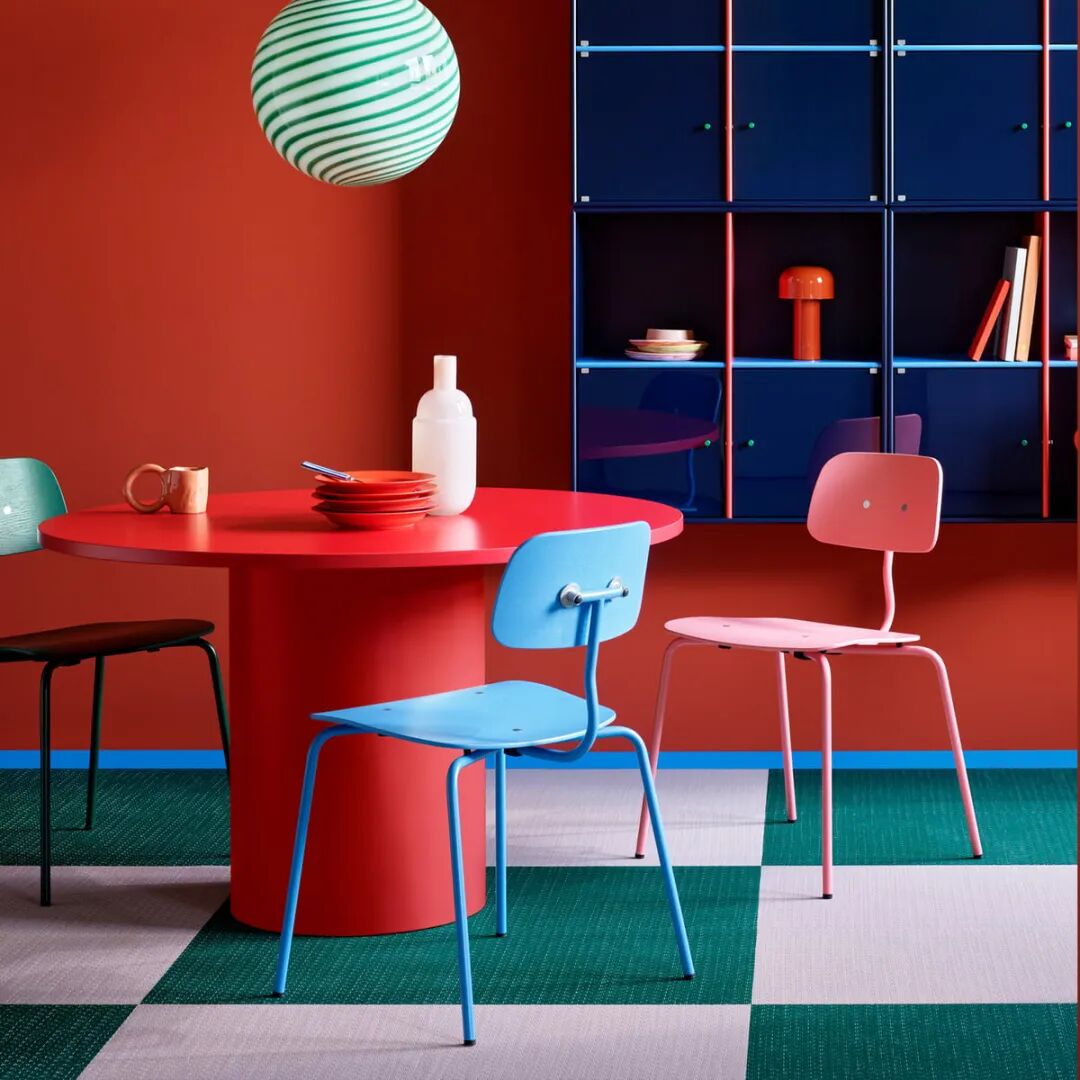
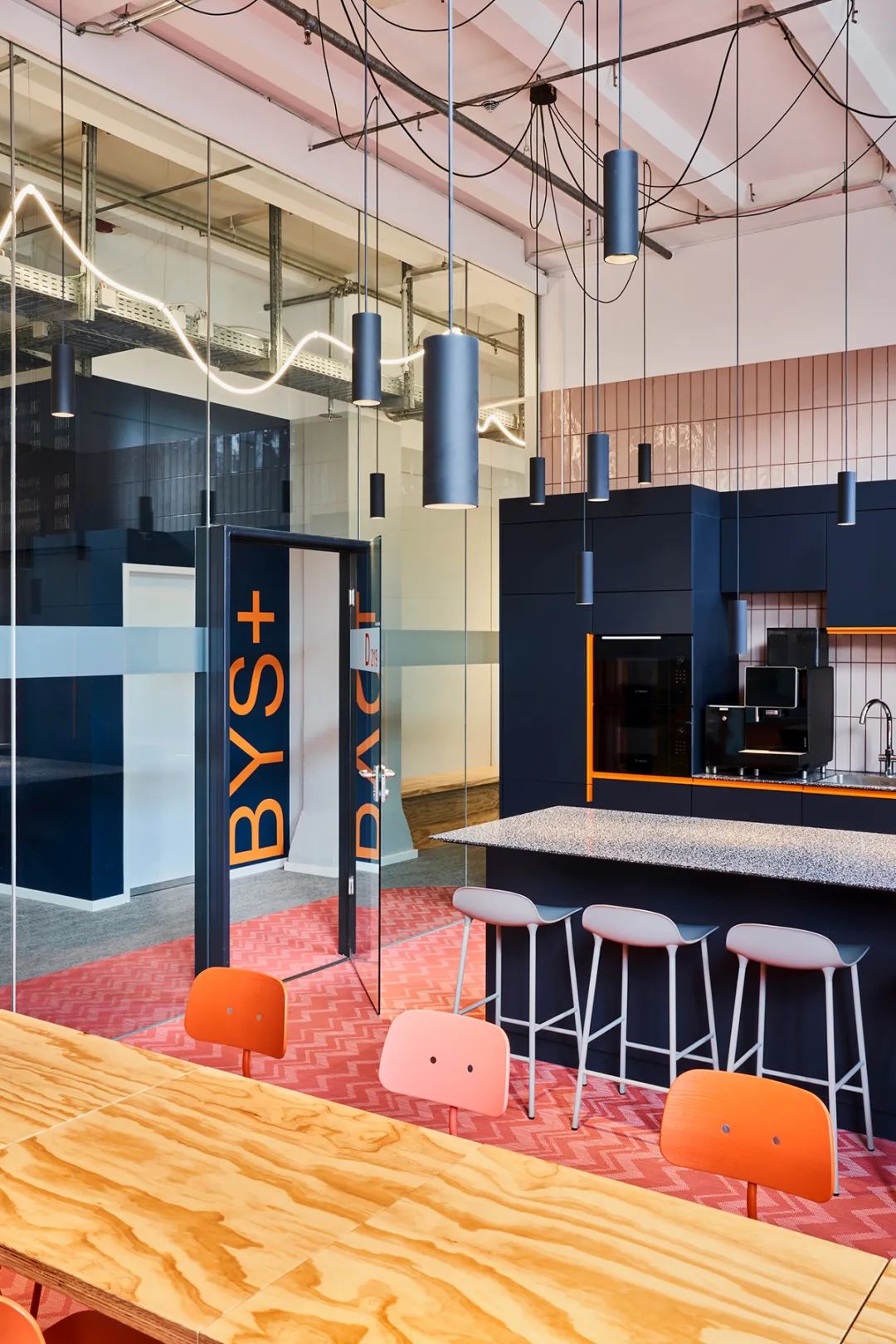
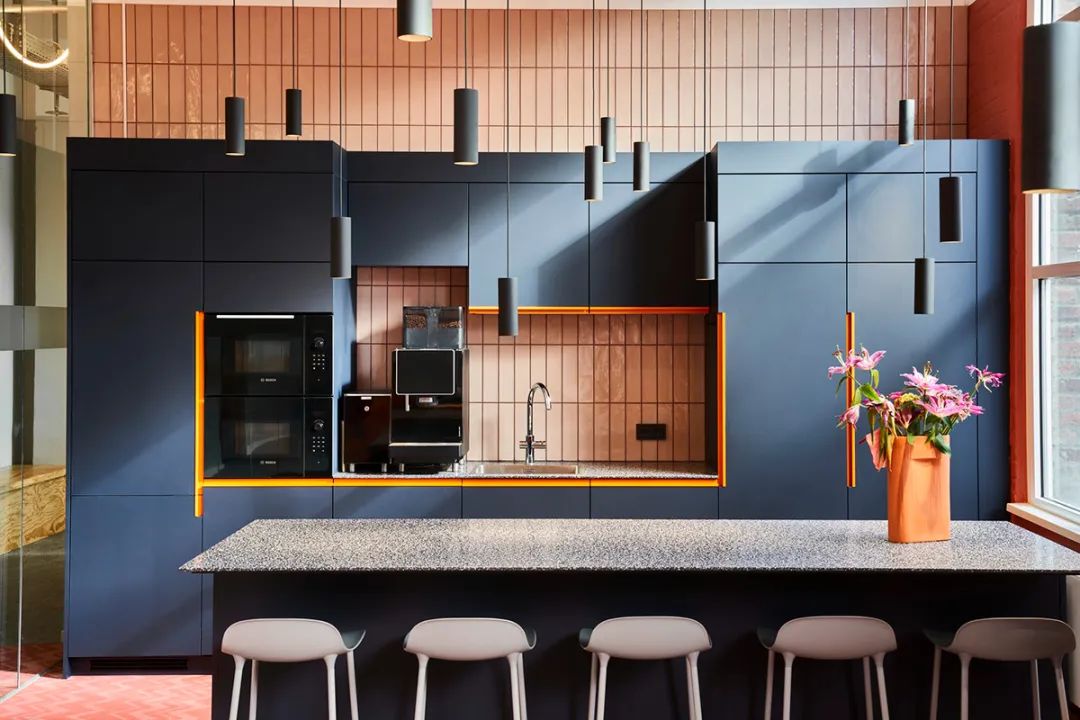
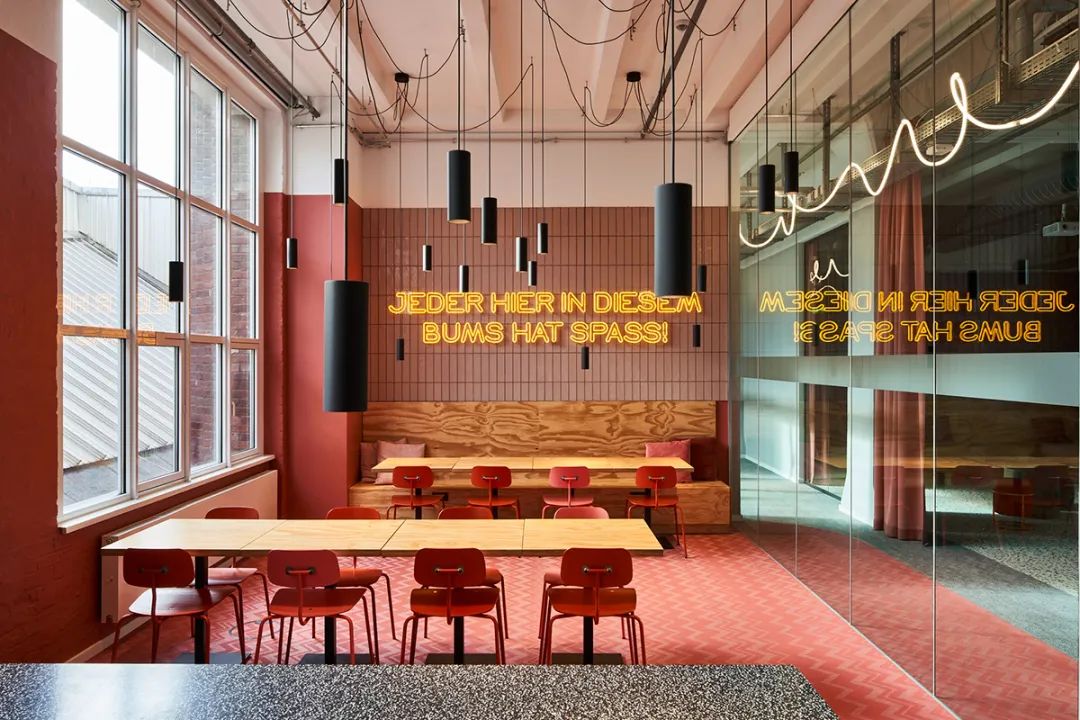
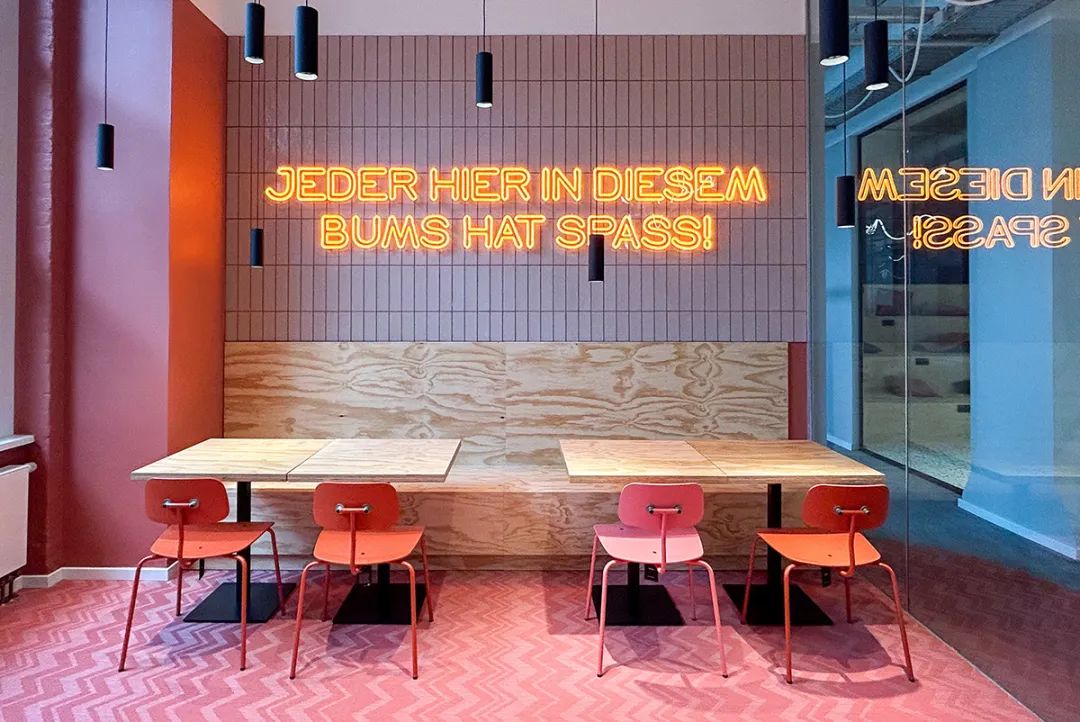
The color strategy of Banijay’s Cologne office is enough to amaze any graphic designer.The entire space is constructed as a three-dimensional palette, rather than monotonous color block stitching.
But the role of color here goes far beyond beautifying the environment.In the content creation of media industry , visual narrative is the core skill.Banijay’s office itself is a large-scale “space work“-through the combination of colors and materials, the designer allows everyone who walks in here to intuitively feel the charm of ”design” itself.Employees work in such an environment every day, and their aesthetic perception is naturally nourished, which in itself is a kind of hidden vocational training.
In a media industry office environment with audio production, video editing, and conference communication as the core, The importance of acoustic design cannot be overemphasized.
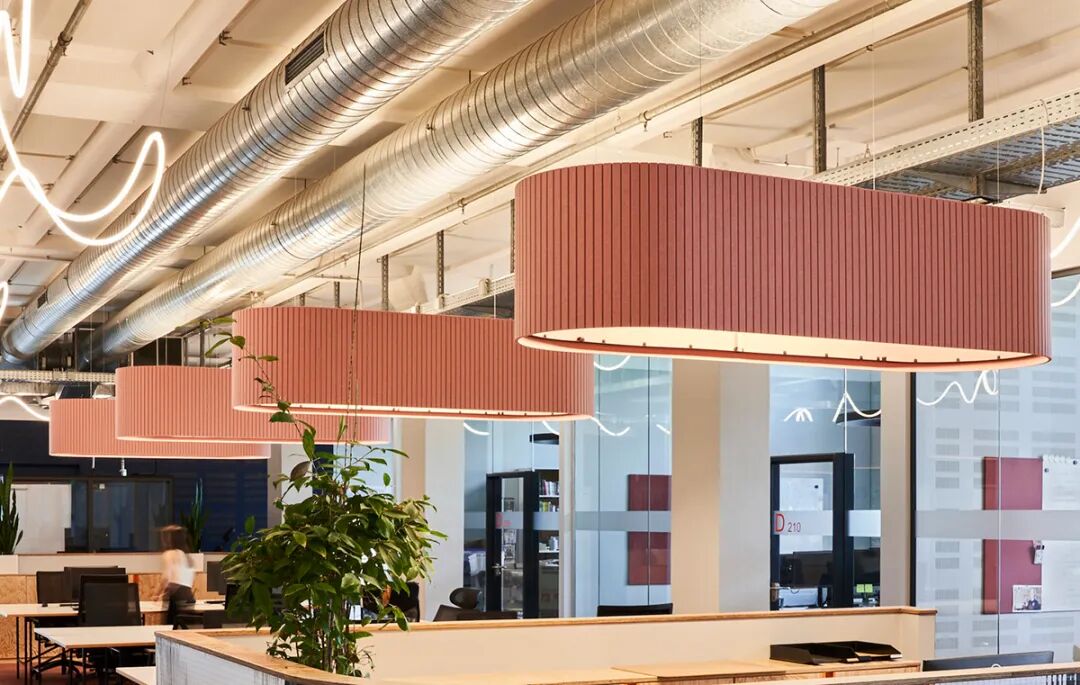
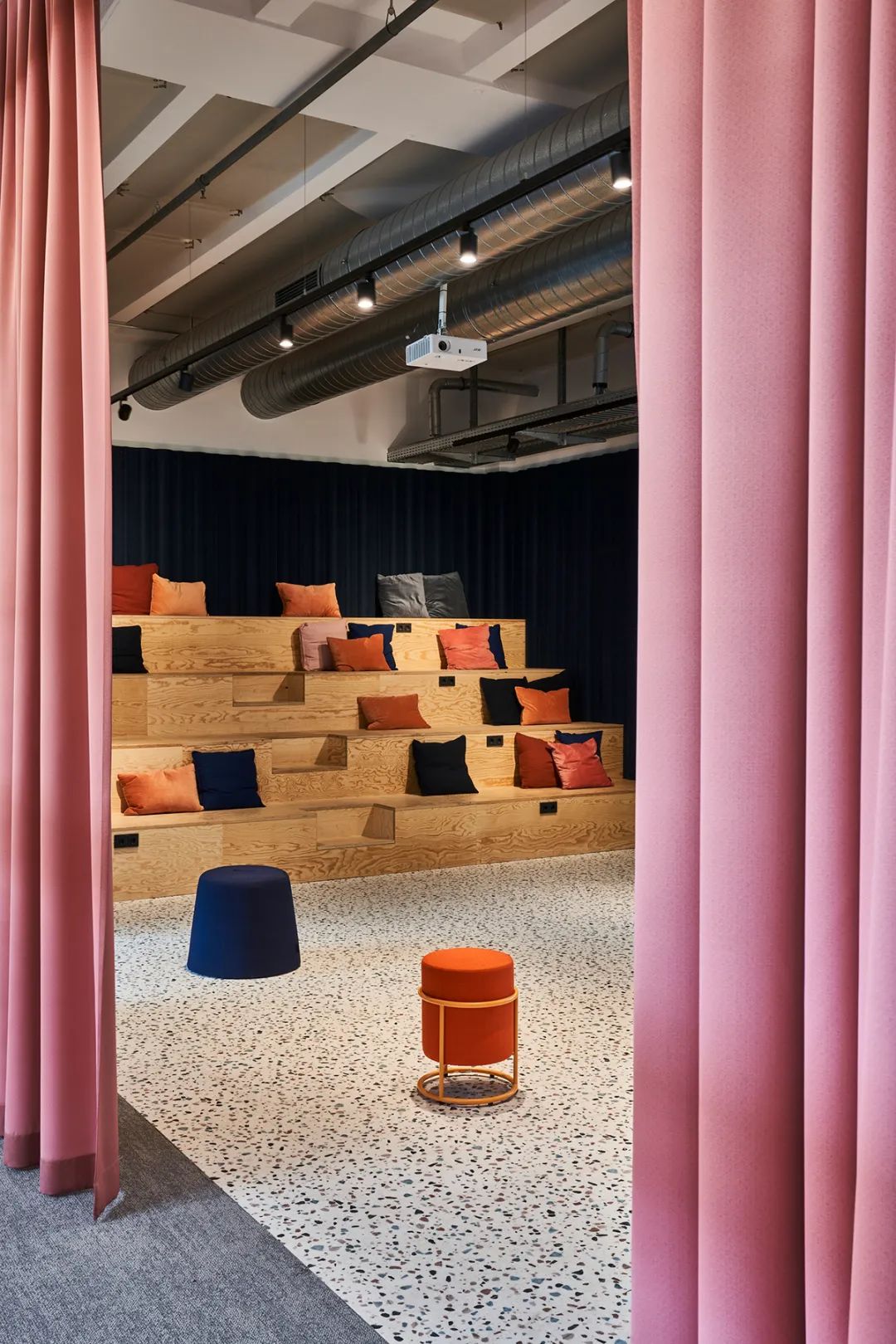
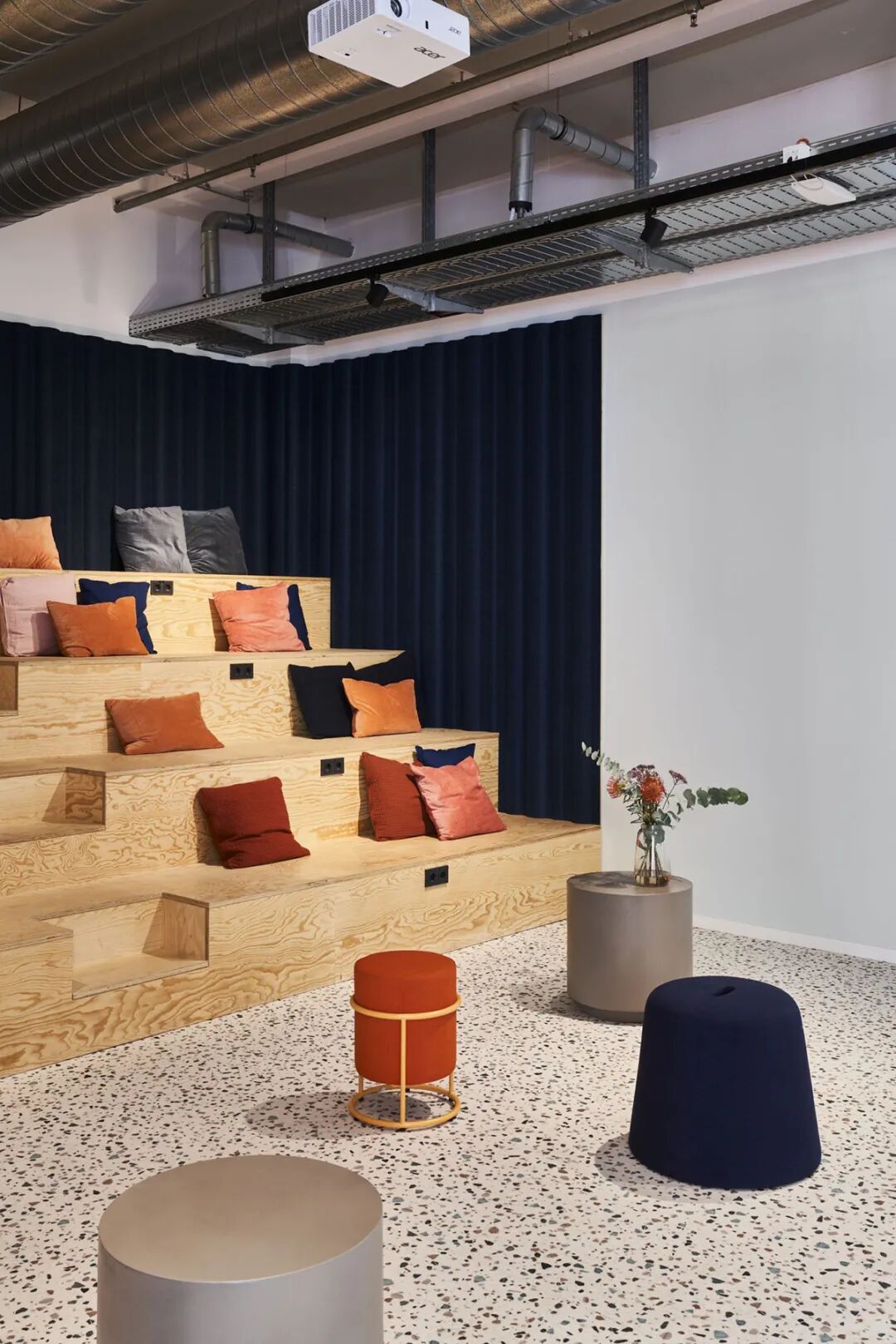
The acoustic strategy of Banijay’s Cologne office is “zoning control”.In the collaboration area, customized acoustic sound-absorbing panels are installed on the ceiling. These modular geometric shapes are also elements of space decoration; in the dedicated work area, the interior of the wall is filled with high-efficiency sound-absorbing cotton, and the doors and windows are made of double-layer soundproof glass to isolate external noise from the quiet area; and in those functional areas where noise cannot be avoided, the designer cleverly uses distance and wall direction to set up an “acoustic buffer zone”.
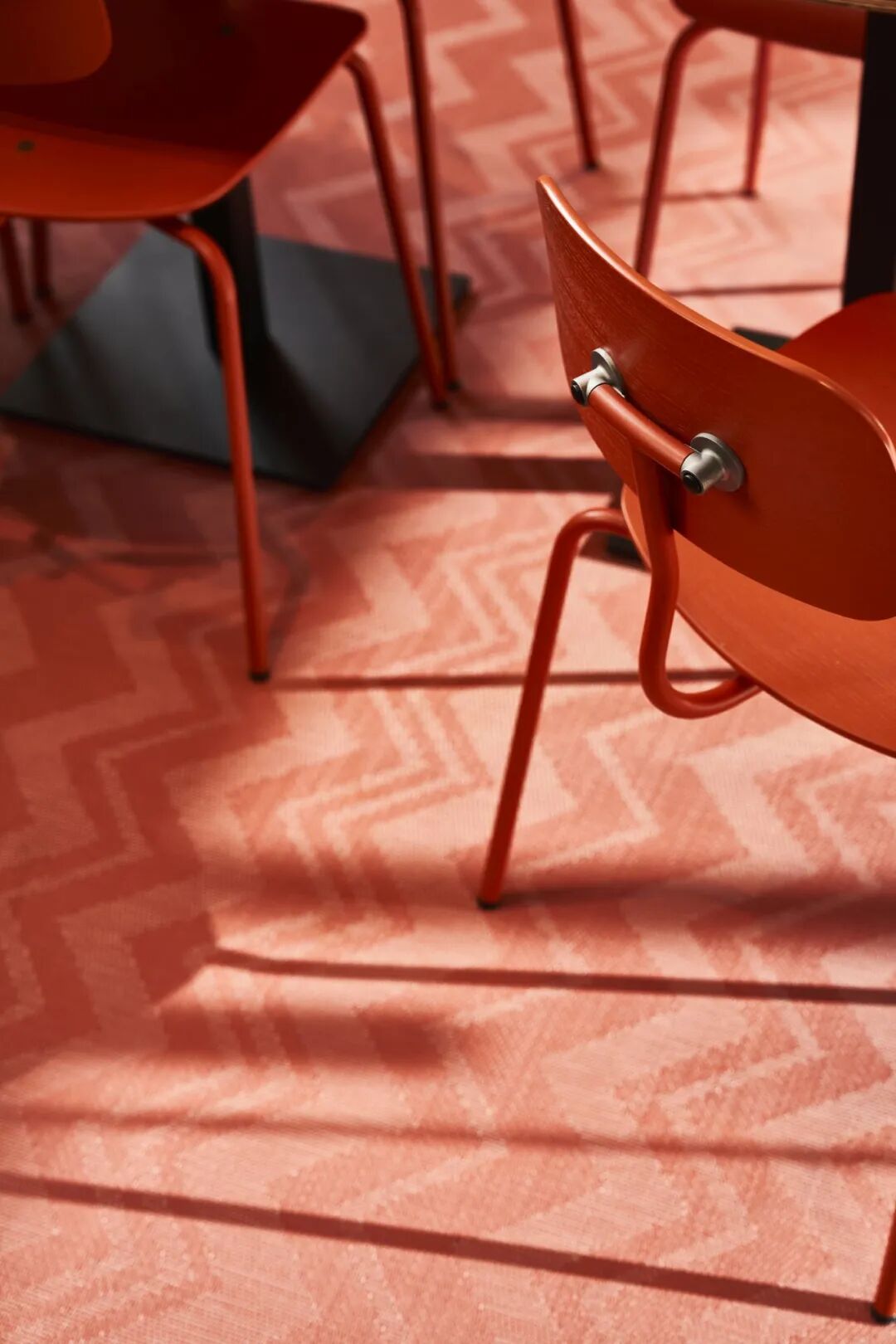
What’s more subtle is that the designer incorporated the acoustic material itself into the spatial narrative.The irregular geometric acoustic body hanging from the ceiling has both excellent sound-absorbing properties and is like a set of abstract sculptures; the wood silk sound-absorbing board on the wall adopts natural wood color, which adds a touch of organic temperature to the cold industrial space; even the ground hides a mystery-a new type of acoustic soft material can absorb the sound of footsteps while providing a comfortable feeling of feet.
For an industry that deals with “sound” every day, the acoustic quality of the office itself directly affects work efficiency and creative output.In Banijay’s studio-level acoustic environment, creatives can complete their work without distracting, without worrying about the sound of discussions next door interfering with their ideas.This kind of ”quiet power” is a vital design element that is ignored by most office spaces.
As a global giant in the media industry , Banijay’s Cologne office was given a deeper mission from the beginning of its design: how to make the space itself a carrier of diversity and inclusion values?
This expression is not simple slogans and posters, but is transmitted through the space design itself.The welcome area at the entrance is designed as a “mini United Nations”-the languages of different countries are printed on the glass partition, and visual symbols of different cultures are woven into the pattern of the carpet.The name of the conference room avoids the traditional “naming culture” and instead adopts musical terms (because music is a common language of mankind), such as Allegro, Cantabile, Rubato, etc.
In terms of spatial layout, the design team deliberately created multiple “third spaces”-those vague areas that are neither workstations nor meeting rooms.Bar area, leisure ladder, window deck… The existence of these spaces is itself an inclusive expression: it allows people to meet, talk, and collide with ideas in an informal way, and these “accidental” connections are often the most valuable. .
Diversity and tolerance is also reflected in all-round respect for individual needs.The office is equipped with prayer/meditation rooms, maternal and child rooms, barrier-free access, areas with different light intensities… Everyone can find their own “comfort zone” here.When space shows respect and tolerance for diverse individuals, the people living in it will naturally internalize this value.
From an abandoned cable warehouse to a benchmark office space in the European media industry, Banijay’s Cologne office has completed a convincing transformation.This is not only the transformation of the physical space, but also an innovation of the concept of “what the workplace can be”.
When night falls, the outline of Cologne, an industrial city, gradually blurs outside the window, and the lights in the office are warm and bright.In this once forgotten space, the creatives continue to tell the story of this era-and every floor under their feet and every light above their heads are already part of the story.
Good space design never speaks, but it is worth a thousand words.
 中文
中文 English
 Français
 Español
 Русский
 العربية
 WeChat
 Douyin
 Video
Video